The Invisible Threat: How Air Quality Shapes Human Health
A clear guide to understanding the health effects of air pollution, how it reaches our bodies, and practical steps to protect ourselves and communities.
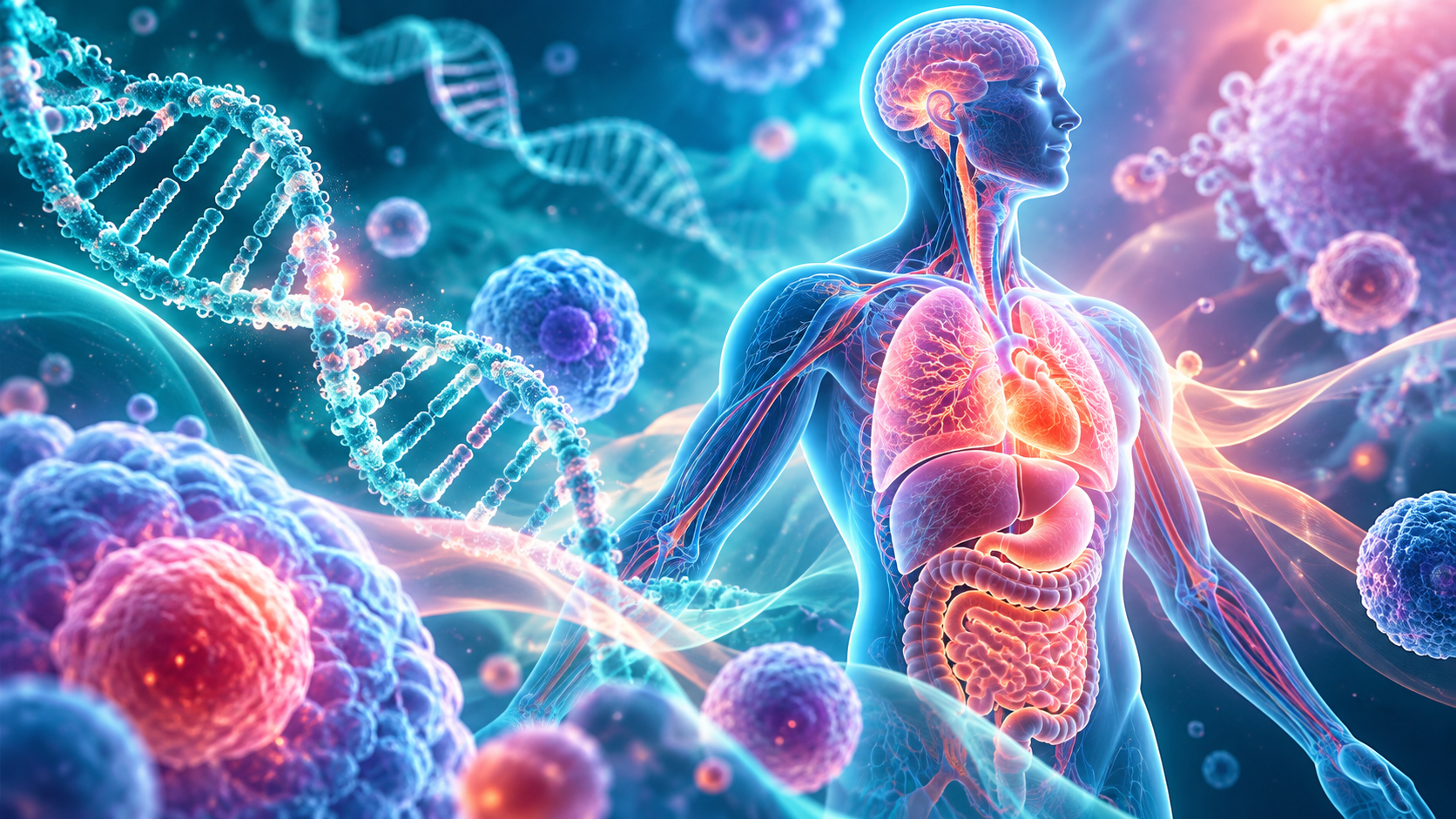
The Silent Journey of Airborne Particles
Air pollution is a complex mixture of gases and tiny particles that can travel through the atmosphere and settle in our lungs. When we breathe, these particles enter the respiratory system and can interact with tissues, blood vessels, and even the nervous system. Even without dramatic symptoms, long‑term exposure can influence a wide range of health outcomes.
How Air Pollution Reaches the Body
The pathways by which polluted air affects health are varied. Particulate matter, especially fine particles that can pass deep into the lungs, may enter the bloodstream and reach organs such as the heart and brain. Gases like ozone or nitrogen dioxide can irritate the lining of the airways, leading to inflammation. In addition, pollutants can trigger oxidative stress, a process where harmful molecules damage cells and tissues.
Because the body’s defence mechanisms are constantly active, the cumulative impact of exposure over months or years can manifest as chronic respiratory conditions, cardiovascular disease, or even metabolic disturbances. The effects are not limited to individuals with pre‑existing conditions; healthy people can also experience subtle changes in lung function or blood pressure.
Population‑Wide Consequences
When large groups of people live in areas with high pollution levels, the community health burden increases. Hospitals may see more admissions for asthma or heart attacks during periods of poor air quality. Public health officials use monitoring data to identify hotspots and to plan interventions. Reducing exposure on a population level can therefore lower healthcare costs and improve overall quality of life.
Strategies to Protect Yourself
While individual actions can only partially reduce exposure, they are still valuable. Staying indoors on days when air quality indices are high, using air purifiers with HEPA filters, and wearing masks designed to filter fine particles are practical measures. Choosing routes for walking or cycling that avoid busy roads can also minimise inhalation of traffic‑related pollutants.
In workplaces, employers can implement ventilation upgrades and provide protective equipment where necessary. Public transport operators can invest in cleaner engines or electric buses, and city planners can create green corridors that act as natural filters.
Community and Policy‑Level Interventions
Beyond personal choices, collective action is essential. Governments can set stricter emissions standards for vehicles and industries, enforce regulations that limit particulate releases, and invest in renewable energy sources. Urban planning that prioritises public transit, cycling lanes, and pedestrian zones reduces the overall reliance on polluting transport.
Public awareness campaigns that explain how air quality affects health encourage community support for cleaner policies. Schools and workplaces can monitor indoor air quality, ensuring that environments conducive to learning and productivity are also healthy.
The Role of Monitoring and Research
Continuous air quality monitoring provides the data needed to link exposure with health outcomes. Researchers use this information to refine risk assessments and to identify vulnerable populations. The collaboration between health agencies, environmental scientists, and data analysts is vital for translating evidence into actionable policies.
A Call to Action
Improving air quality is a shared responsibility that spans individuals, communities, and governments. By understanding how pollutants reach the body and what steps can reduce exposure, we can make informed choices that protect our health today and for future generations. The evidence shows that cleaner air leads to fewer hospital visits, better respiratory function, and a healthier, more resilient population.
Looking Ahead
The science of air pollution and health is continually evolving. Emerging research on the links between airborne chemicals and long‑term disease risk will refine prevention strategies. Meanwhile, the foundational principle remains: reducing exposure through cleaner environments and informed behaviours yields the greatest health benefits.
References
- Health Systems Evergreen | health-systems-evergreen · primary
- National Institutes of Health | NIH · primary