Checks and Balances: How Civic Institutions Guard Democratic Governance
An overview of how independent civic institutions, such as parliaments, courts, and oversight bodies, create a system of checks and balances that sustains democratic governance.
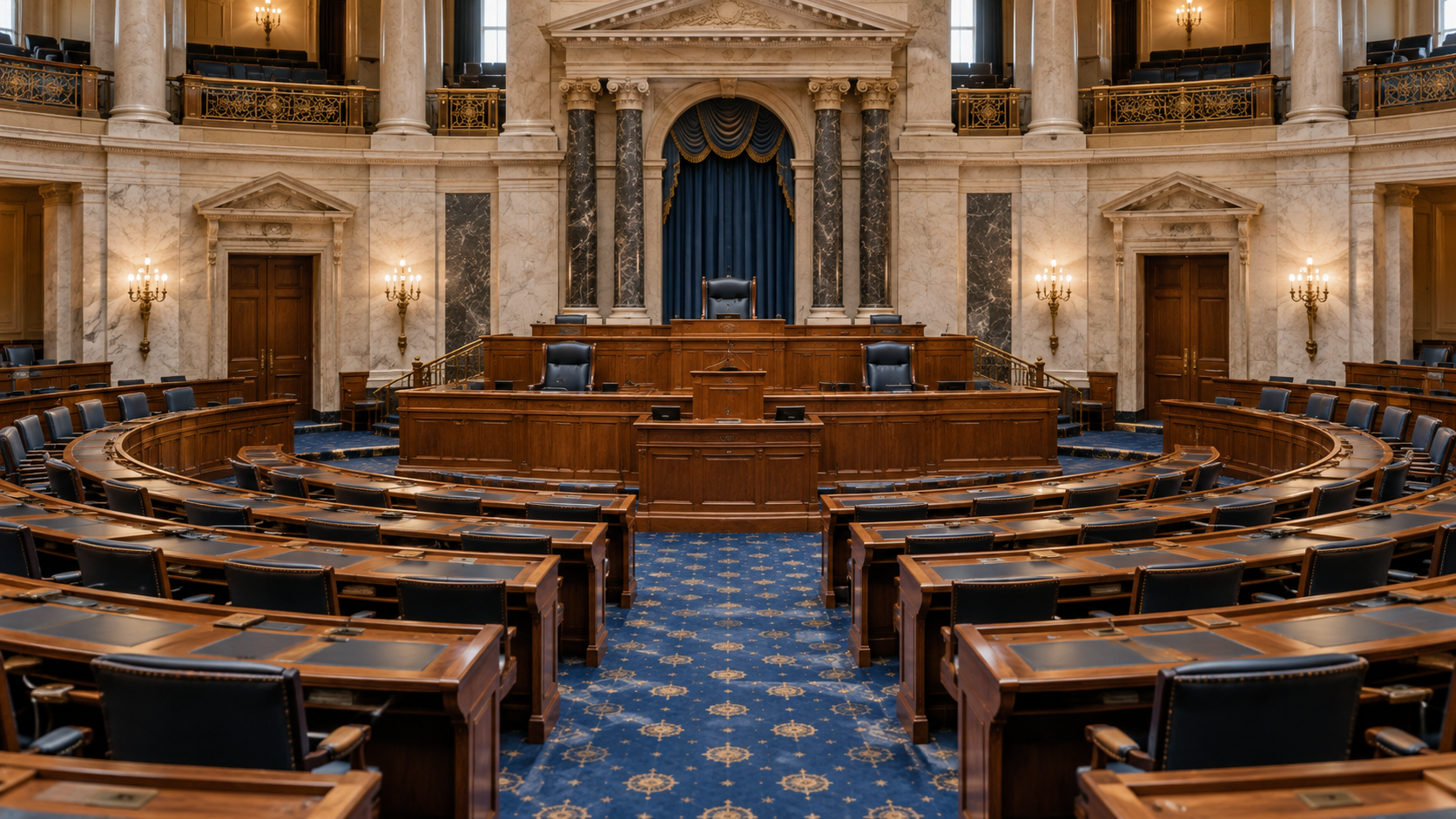
The Role of Legislative Oversight\n\nLegislatures are the primary arena where laws are debated and adopted. Beyond drafting legislation, they perform oversight by scrutinising the executive branch. Parliamentary committees can request documents, hold hearings, and issue reports that hold ministers accountable. This process ensures that policy decisions are transparent and that the executive remains answerable to elected representatives.\n\n## Judicial Review as a Safeguard\n\nCourts provide an independent check on the actions of both the legislature and the executive. When a law or a government decision is challenged, judges assess whether it complies with the constitution or statutory framework. If a measure is found to be unconstitutional, the court can invalidate it. This judicial review mechanism protects individual rights and prevents arbitrary use of power.\n\n## Civil Service Neutrality and Public Administration\n\nA professional civil service is expected to serve the state impartially, regardless of which party is in power. Civil servants implement policies, manage public funds, and deliver services to citizens. Their neutrality helps maintain continuity and stability across election cycles. Oversight bodies, such as audit institutions, monitor the use of public resources and report on efficiency and legality.\n\n## The Interplay of Institutions\n\nChecks and balances are most effective when institutions operate independently and transparently. The separation of powers, combined with oversight mechanisms, creates a system where no single branch can dominate. When these institutions collaborate, they reinforce the rule of law and strengthen democratic resilience.\n\n## The Global Context\n\nMany democracies adopt similar institutional frameworks, but the specific arrangements vary. International organisations, such as the United Nations, promote standards for governance and encourage member states to build robust civic institutions. These global norms help shape national practices and foster accountability worldwide.
References
- Civic Institutions Evergreen | civic-institutions-evergreen · primary
- United Nations | UN · primary
Topics
civic institutions
checks and balances
legislative oversight
judicial review
public administration
civil service
democratic governance
parliament
court
oversight bodies
AI disclosure
This article was drafted by openai/gpt-oss-20b via groq from the sources listed above. Read with a critical eye. Read the full AI disclosure.