Immersive Audio: How Sound Is Shaping Modern Storytelling
An explainer on how immersive audio technologies are transforming film, television, podcasts, and live performance, reshaping audience engagement and cultural production.
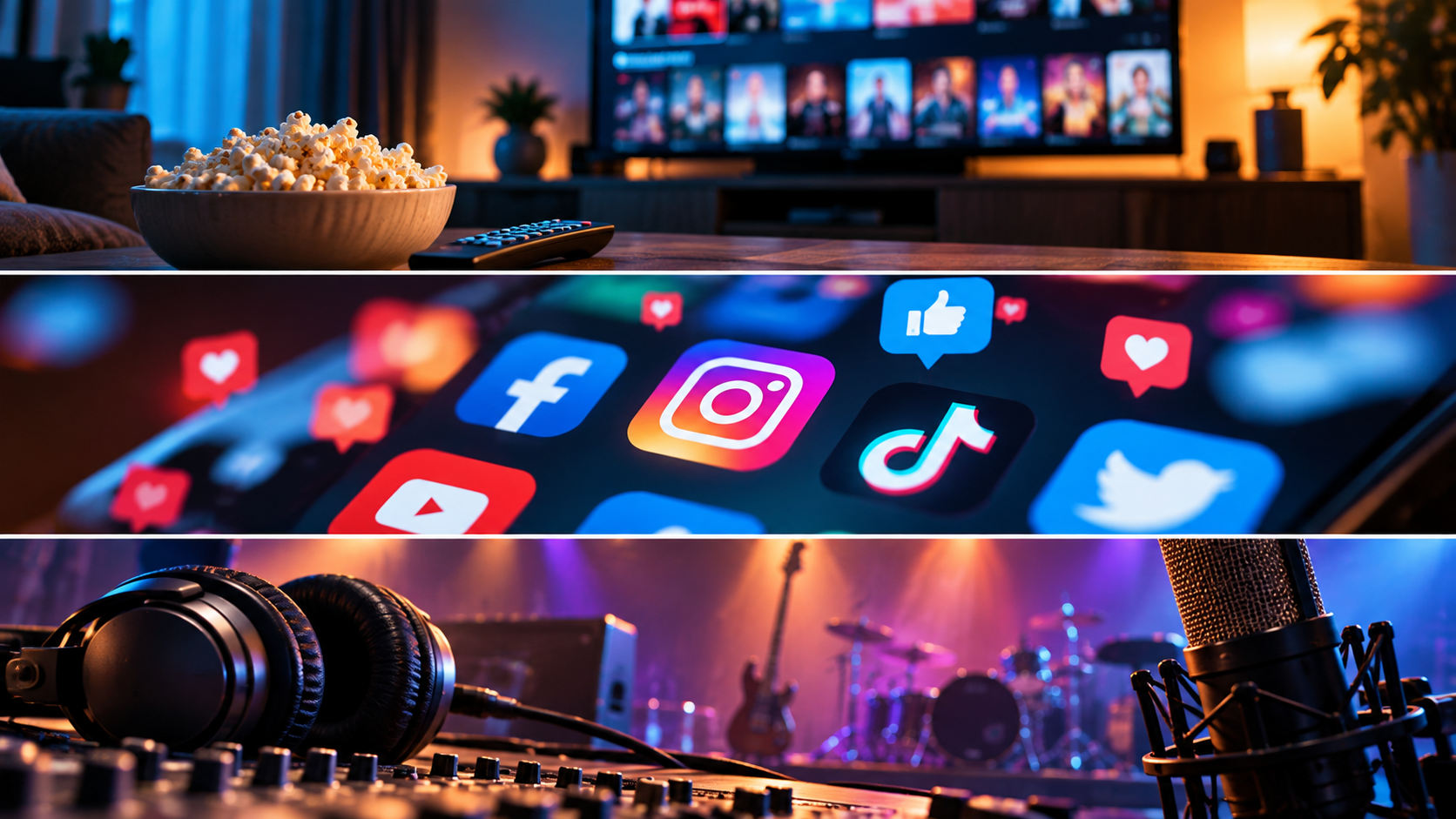
Evolution of Audio in Media
Sound has always been a core element of storytelling. From the first radio dramas of the early 20th century, audio alone could create worlds and characters. The medium then evolved with the rise of recorded music, which allowed creators to layer soundtracks with narrative elements. In the late 1990s and early 2000s, the internet introduced podcasts, a format that combined the intimacy of radio with the convenience of on‑demand listening. These developments laid the groundwork for a new era where sound is not merely an accompaniment but a primary vehicle for immersion.
Technological Foundations of Immersive Sound
The leap from traditional stereo to immersive audio began with binaural recording techniques that capture sound as the human ear would hear it in real life. By placing microphones in a mannequin head, producers can replicate the subtle differences in timing and intensity that occur when sound reaches each ear. When played back through headphones, listeners experience a 3‑dimensional sound field that feels as if the audio source is physically present.
Spatial audio formats such as Dolby Atmos and MPEG‑D also play a crucial role. These systems encode sound objects that can be positioned anywhere in a 3‑D space, allowing filmmakers and game designers to place voices, music, and environmental noises with precise spatial accuracy. Streaming platforms now offer native support for these formats, making immersive audio accessible to a broad audience without specialised hardware.
Virtual reality (VR) headsets and augmented reality (AR) devices add another layer of immersion. In VR, sound is not only spatial but also dynamic, reacting to the user’s movements and interactions. This creates a feedback loop where the narrative environment responds to the viewer’s actions, deepening engagement.
Cultural and Audience Impacts
Immersive audio changes the way audiences experience stories. By placing listeners in a soundscape that mirrors the narrative world, creators can evoke emotions more directly. For example, a subtle shift in ambient noise can signal a change in setting, while directional dialogue can draw the listener’s focus to a specific character. This heightened sense of presence can make storytelling more personal and memorable.
Accessibility is another important benefit. Immersive audio can provide cues that help people with visual impairments navigate content. Spatial cues can indicate the location of objects or characters, allowing a richer experience for users who rely on audio.
From a cultural perspective, immersive audio offers new avenues for preserving and presenting heritage. Traditional music and oral histories can be recorded in high‑fidelity spatial formats, giving listeners a sense of being in the original performance space. UNESCO’s definition of culture and media emphasises the role of media in reflecting and shaping cultural identity, and immersive audio aligns with this vision by offering a more authentic transmission of cultural expressions.
The creator economy also feels the impact. Independent podcasters and musicians can now produce high‑quality spatial audio with relatively inexpensive equipment. Platforms that support immersive formats provide additional monetisation options, such as premium audio experiences or interactive live streams. This democratisation of production tools encourages a wider range of voices to participate in the cultural conversation.
Looking Ahead
As hardware continues to improve, we can expect immersive audio to become a standard feature in media consumption. New standards will likely focus on ease of creation and playback across devices. Moreover, the integration of artificial intelligence in audio processing may allow real‑time spatialisation, opening possibilities for live events and interactive storytelling.
The future of immersive audio is not just about technical advancement; it is also about how these technologies will shape the narratives we create and the cultural meanings we attach to them. By placing sound at the centre of storytelling, creators can craft experiences that feel immediate, inclusive, and culturally resonant.
References
- Culture and Media Evergreen | culture-media-evergreen · primary