Licensing, Rights, and the Modern Creator Economy
An overview of how licensing and intellectual property shape production, revenue, and audience access across film, television, music, and social media.
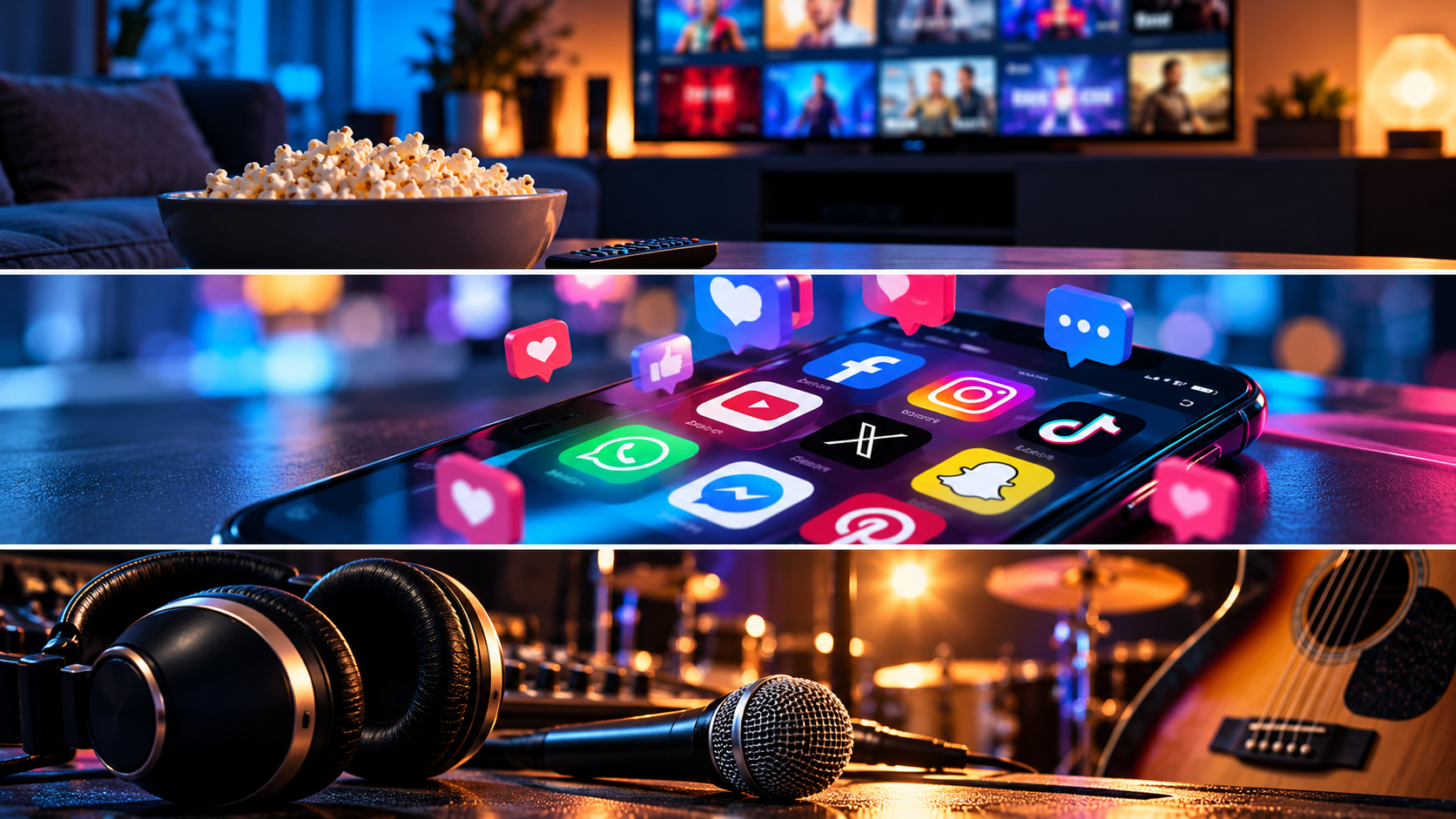
Understanding Licensing in Entertainment
Licensing is a legal framework that allows creators, producers, and distributors to use intellectual property (IP) that belongs to someone else. In the context of film, television, music, and social media, licensing covers a range of rights, including
- Mechanical rights for reproducing a musical composition on a physical or digital medium.
- Synchronization rights that permit the pairing of music with visual media.
- Master rights that grant control over a specific recording of a piece of music.
- Performance rights that cover the public performance of a composition or recording.
- Distribution rights that allow the sale or streaming of a film or television episode.
These rights are negotiated through contracts that specify the scope of use, duration, territory, and compensation. The licensing process is essential because it protects the original creator’s legal ownership while enabling others to bring content to new audiences. Without clear licensing agreements, a film could not legally show a song, a television show could not use a clip from another series, and a social media creator could not incorporate a popular track into a short video.
Economic Implications for Creators and Audiences
For creators, licensing is a primary source of revenue. When a film studio pays for the rights to a song, the songwriter and the record label receive royalties. Similarly, when a streaming platform streams a television series, the production company receives a distribution fee. These payments are often structured as a combination of upfront fees and ongoing royalties that depend on sales, views, or streams.
The structure of these agreements can influence the creative decisions that creators make. For example, a filmmaker may choose a particular soundtrack because the licensing cost fits within the budget, or a music producer may decide to release a track on a platform that offers a favorable royalty split. In both cases, licensing considerations can shape the final product that reaches the audience.
From the audience’s perspective, licensing determines what content is available and how it can be accessed. A user who streams a film on a legal platform is guaranteed that the creators and rights holders have been compensated. Conversely, if a piece of content is not licensed for a particular region, the audience may be unable to view it legally, which can drive demand for alternative, often illegal, distribution channels.
Licensing also plays a role in the broader creator economy. Platforms that offer royalty‑based compensation models, such as certain music‑sharing services, rely on clear licensing agreements to distribute earnings fairly. This model has become increasingly important as creators move from traditional media to independent production and distribution channels.
Future Trends and Emerging Challenges
The digital age has introduced new challenges and opportunities for licensing. One major trend is the use of blockchain technology to create smart contracts that automatically enforce licensing terms. These contracts can record every use of a piece of IP, ensuring that royalties are paid accurately and transparently.
Another development is the rise of subscription‑based streaming services that bundle large libraries of content. While these services provide audiences with convenient access, they also create complex licensing arrangements that must cover multiple territories and formats. Negotiating these agreements requires sophisticated legal and financial expertise.
Digital piracy remains a persistent challenge. Even with robust licensing frameworks, unauthorized copies can circulate, undermining the revenue streams that creators rely on. Efforts to curb piracy involve both technical measures, such as digital rights management (DRM), and legal actions against infringers.
Finally, the global nature of content consumption means that licensing must adapt to diverse cultural and regulatory environments. A song that is cleared for use in one country may still face restrictions in another due to differing copyright laws or cultural sensitivities. Creators and distributors must therefore navigate a complex web of international agreements.
In summary, licensing and intellectual property are foundational to the modern entertainment ecosystem. They enable creators to monetize their work, allow audiences to access a wide array of content, and shape the economic models that drive the industry. As technology evolves, new tools and strategies will continue to refine how rights are managed and how creators are rewarded.
References
- Culture and Media Evergreen | culture-media-evergreen · primary