Old Film Sound Is Not a Problem You Fix by Making It Louder
Restoration has to preserve meaningful detail while dealing with the recording's age and limitations.
An old film sounds quieter or rougher than a new release. It is tempting to imagine a single cleanup button that makes everything modern. The work is more careful than that.
Improvement needs a reference
The BFI explains how its teams restore film sound, including the challenges of working with archival material. Restoration involves choices about unwanted damage and the character of the surviving recording.
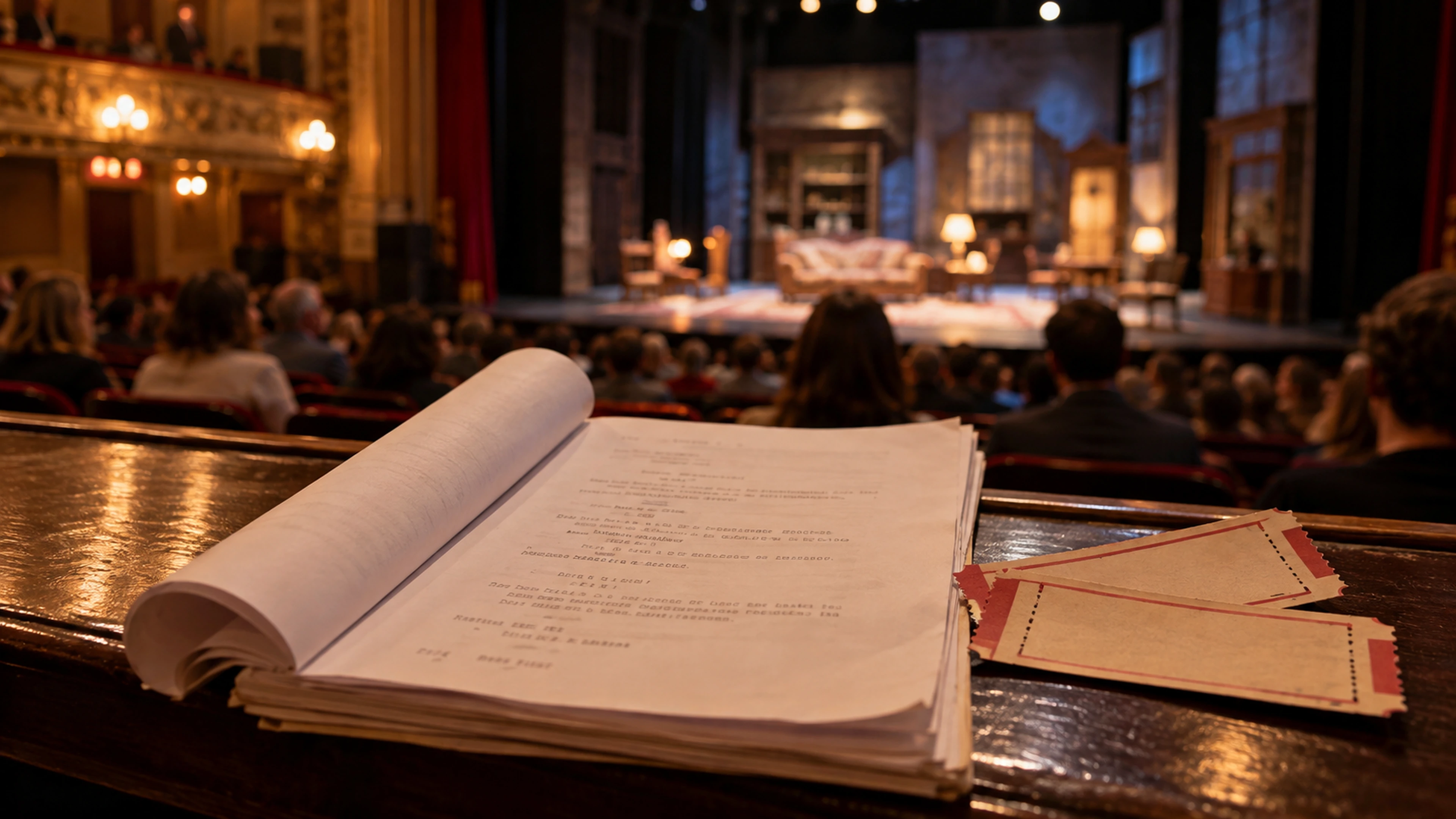
Editorial image from Blogdel's entertainment collection, used for illustration.
Think of a photograph with a scratch across a face. Removing the scratch is different from smoothing every texture until the face looks newly manufactured. With sound, an aggressive attempt to eliminate noise can also change the experience of the recording.
Listen for the work, not only the age
When watching a restored film, pay attention to whether speech is understandable, transitions feel coherent and quiet details remain audible. A historical soundtrack does not have to resemble a contemporary action mix to communicate clearly.
Different releases can reflect different source materials and restoration decisions. Check the accompanying notes before assuming one version is simply careless. The fascinating part is the balance: helping a film speak again while recognising that its original sound belongs to the film's history, not to today's default settings.

Editorial image from Blogdel's entertainment collection, used for illustration.
Sources and further reading
References
- All about film sound and how we restore it | BFI · primary