Remix Culture: How Reimagining Originals Shapes Modern Entertainment
Remix culture turns original works into fresh creations, influencing music, film, television and social media. This explainer explores the mechanics, benefits and challenges of remixing in today’s creator economy.
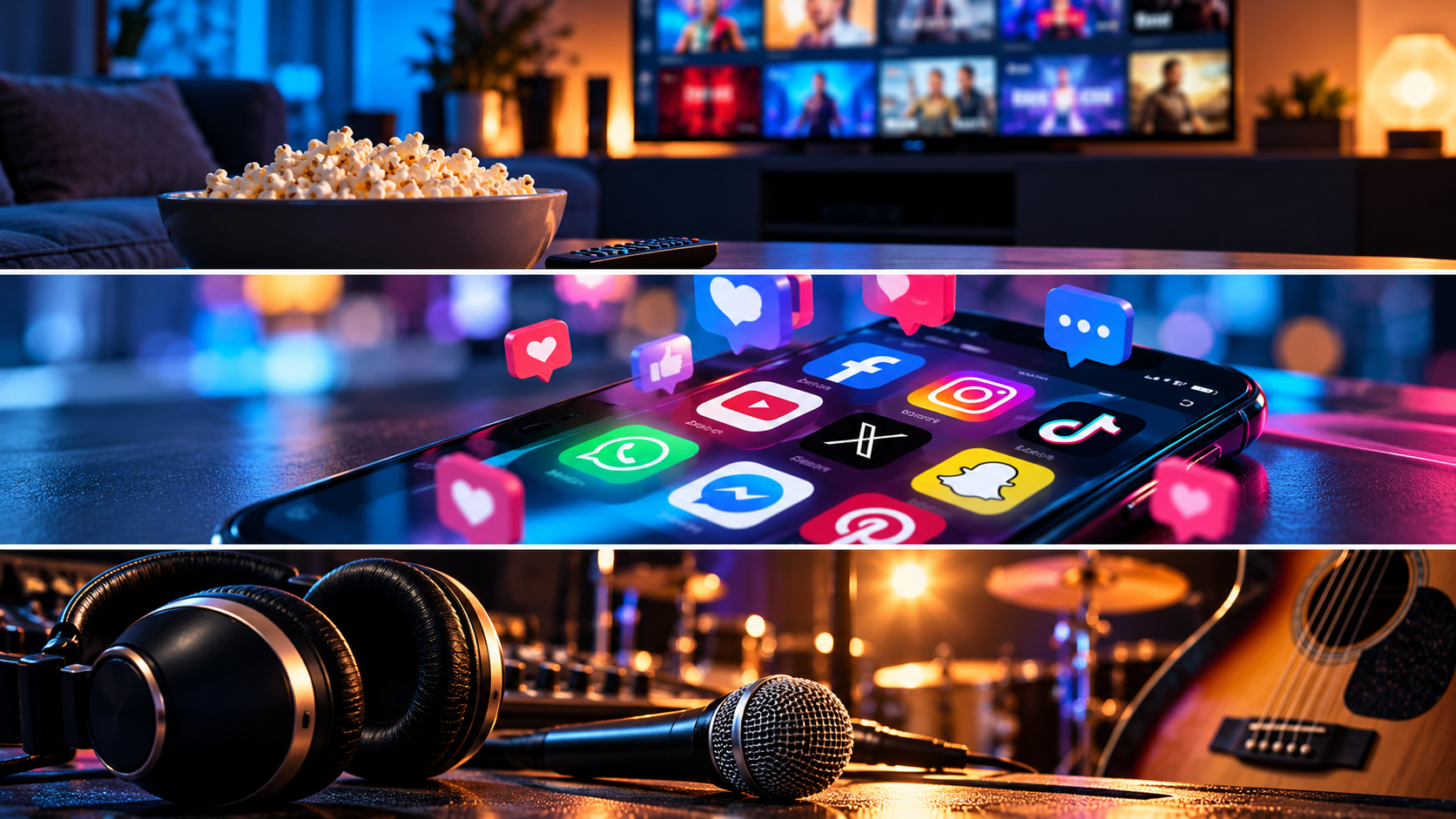
What Is Remix Culture?
Remix culture refers to the practice of taking existing creative content-songs, movies, images or videos-and reworking it into something new. The new work often blends elements from the original with fresh ideas, creating a hybrid that can resonate with both old and new audiences.
The Creative Process Behind a Remix
- Selection – Creators choose source material that has cultural weight or emotional impact.
- Transformation – Through editing, sampling, or reinterpretation, the original is altered. In music, this might mean looping a vocal line; in film, it could involve re‑cutting footage to tell a different story.
- Contextualisation – The remix is framed within a new narrative or aesthetic, often reflecting contemporary social themes.
- Distribution – Digital platforms such as YouTube, TikTok, or SoundCloud allow instant sharing and feedback.
Why Remixes Matter in the Modern Media Landscape
- Democratised Production: Low‑cost tools let anyone experiment, lowering the barrier to entry for creators.
- Audience Engagement: Fans feel ownership when they can remix content they love, deepening loyalty.
- Cultural Continuity: Remixes keep older works alive by introducing them to younger generations.
- Economic Opportunities: Successful remixes can generate revenue through streams, sponsorships, or licensing deals.
The Legal Landscape
Intellectual property law traditionally protects original works. However, many remix creators operate in a grey zone, relying on fair‑use doctrines or licensing agreements. Some artists openly encourage remixing, offering stems or sample packs, while others enforce strict controls. The outcome often depends on the creator’s stance, the platform’s policies, and the nature of the remix.
Remix Culture Across Media Forms
- Music: Sampling has been a staple since the 1970s, evolving into mashups and viral TikTok edits.
- Film & Television: Fan edits, fan‑made trailers, and re‑imagined scenes have become popular, especially on streaming platforms.
- Social Media: Memes and viral challenges frequently repurpose existing footage or audio to create new content.
- Gaming: Modding communities remix game assets to add new levels, characters or storylines.
Impact on the Creator Economy
Remix culture fuels a creator ecosystem where individuals can monetize their reinterpretations. Platforms often provide monetisation tools-ads, sponsorships, or fan‑funding-allowing creators to sustain their work. This shift has broadened the definition of authorship and expanded revenue streams beyond traditional gatekeepers.
Challenges and Considerations
- Authenticity vs. Derivation: Critics argue that heavy reliance on existing content may stifle originality.
- Cultural Sensitivity: Remixing culturally significant works requires awareness of context and potential offence.
- Sustainability: Rapid content cycles can lead to burnout among creators who constantly produce remixed material.
Looking Forward
As technology advances, remixing will likely become more sophisticated. AI‑driven tools could automatically generate remixed versions of songs or films, raising new questions about creativity and ownership. Nonetheless, the core appeal-transforming familiar material into something novel-will probably remain a powerful driver in entertainment.
Conclusion
Remix culture is more than a trend; it is a fundamental shift in how audiences interact with media. By reimagining originals, creators not only honour the past but also shape the future of cultural production.
References
- Culture and Media Evergreen | culture-media-evergreen · primary