How Sound Design Shapes Narrative Identity Across Film, Television and Music
An in‑depth look at how sound design creates emotional and cultural meaning in visual and audio media, and why it matters for creators and audiences alike.
Introduction
Sound is often the invisible thread that weaves together the scenes of a film, the beats of a song, or the tension in a television episode. While the visual elements of a story are immediately apparent, the auditory layer can subtly influence how viewers interpret a character, remember a moment, or feel a particular mood. This explainer traces the history of sound design, its core principles, and how it shapes narrative identity across different media.
The Foundations of Sound Design
Sound design began as a technical necessity when early filmmakers experimented with recorded dialogue and simple background noises. Over time, it evolved into a creative discipline that blends psychoacoustics, music theory, and storytelling. The main components include:
- Dialogue – clarity and emotional tone.
- Music – thematic motifs that reinforce narrative arcs.
- Sound Effects (SFX) – realistic or stylised sounds that ground actions.
- Ambient Sound – environmental textures that build world‑building.
These elements are layered in a mixing console, often guided by a sound designer who collaborates closely with directors and composers.
Narrative Identity Through Sound
Narrative identity refers to the distinct personality that a story or character presents. Sound design can reinforce this identity in several ways:
- Character Themes – A recurring musical phrase can instantly signal a character’s presence or emotional state. Think of the leitmotif used for iconic heroes or villains.
- Cultural Signifiers – Specific instruments or rhythms can evoke particular cultures, anchoring the story in a recognizable setting.
- Mood Shaping – Low-frequency drones or high‑pitched dissonance can create suspense or calmness, guiding audience reactions.
- Temporal Context – Period‑accurate sounds (e.g., rotary phones, vinyl hiss) help place the narrative in a specific era.
By weaving these auditory cues, sound designers give a story a sonic fingerprint that audiences can subconsciously recognise.
Cross‑Media Applications
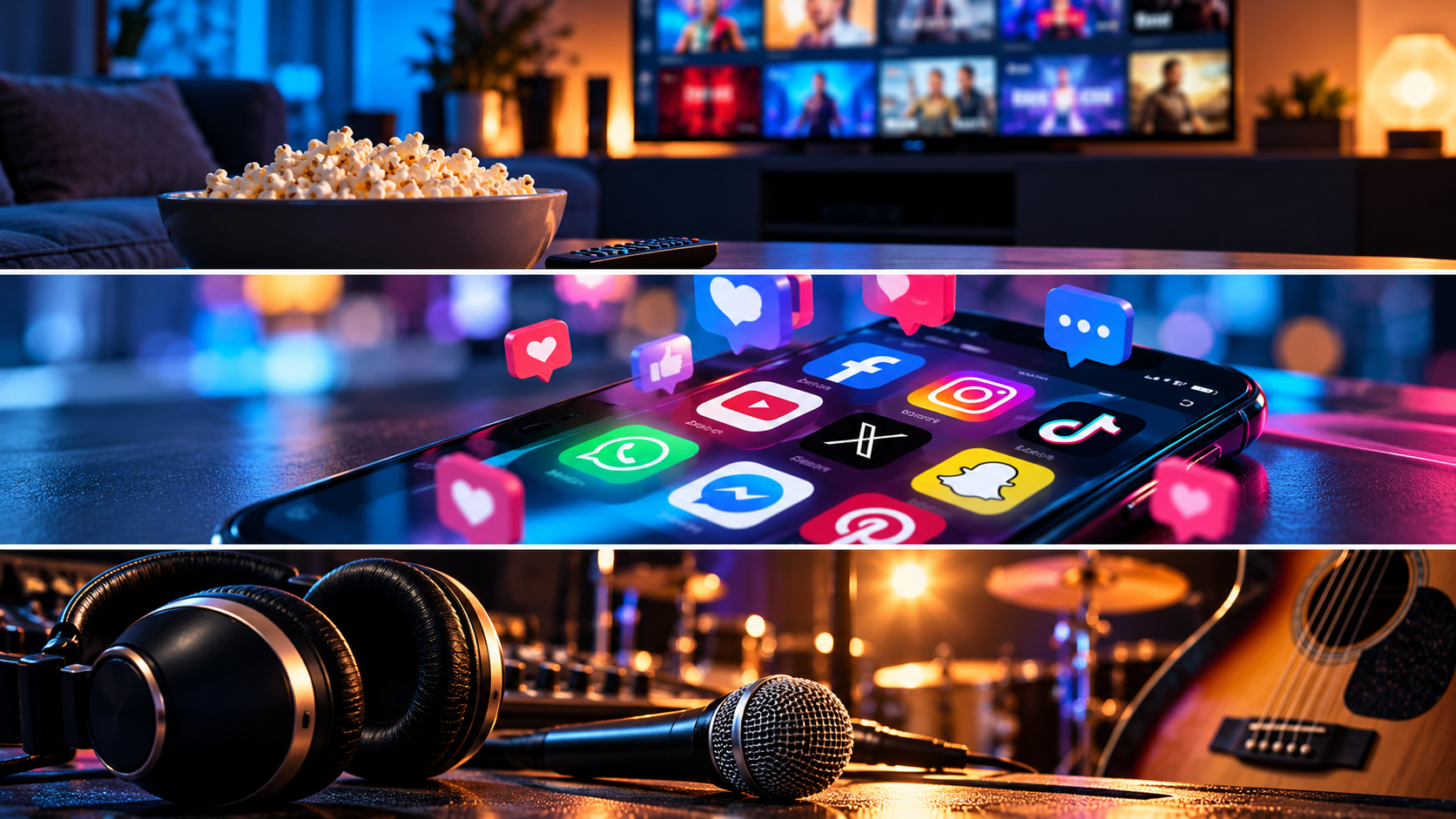
While film and television share many sound‑design techniques, music and social media present unique challenges and opportunities.
Film and Television
In visual media, sound design must complement the image without overwhelming it. The balance between dialogue, music, and SFX is crucial. For example, a subtle wind sound can heighten the isolation of a character in a dramatic scene.
Music Production
In music, sound design often involves crafting the texture of a track-layering synths, processing vocals, or designing percussive elements. These choices shape the genre, emotional impact, and the listener’s perception of authenticity.
Social Media and Creator Economies
Creators on platforms like TikTok or YouTube frequently use short sound clips to create memes or viral trends. The rapid consumption of audio‑visual content demands instantly recognisable sound cues that can be shared and remixed, influencing cultural production on a global scale.
Audience Perception and Memory
Research shows that sound can enhance memory retention. A memorable score or distinctive sound effect can make a scene more likely to be recalled. This phenomenon is why many films and shows rely on iconic soundtracks that become part of popular culture.
Moreover, sound can bridge language barriers. A powerful orchestral swell can convey drama even when the dialogue is in a different language, making media more accessible to international audiences.
Future Trends in Sound Design
As technology advances, sound designers are exploring new territories:
- Spatial Audio – 3D audio creates immersive experiences, especially in virtual reality and high‑end cinema.
- AI‑Generated Soundscapes – Machine learning can produce adaptive soundtracks that respond to viewer actions.
- Interactive Sound – In gaming and interactive storytelling, sound changes in real time based on player choices.
These innovations promise richer, more personalised narrative experiences.
Conclusion
Sound design is more than background noise; it is a narrative tool that shapes identity, emotion, and memory. Whether in a blockbuster film, a chart‑topping song, or a viral TikTok clip, the careful crafting of audio layers turns ordinary moments into unforgettable experiences. As creators continue to experiment with new technologies, the role of sound in storytelling will only grow more integral to cultural production.
References
- Culture and Media Evergreen | culture-media-evergreen · primary