The Balancing Act: Specialization vs. Generalization in Athlete Development
Explore the ongoing debate in sports development regarding early specialization in a single sport versus a more generalized, multi-sport approach, and how each impacts long-term performance, athlete welfare, and the broader sports ecosystem.
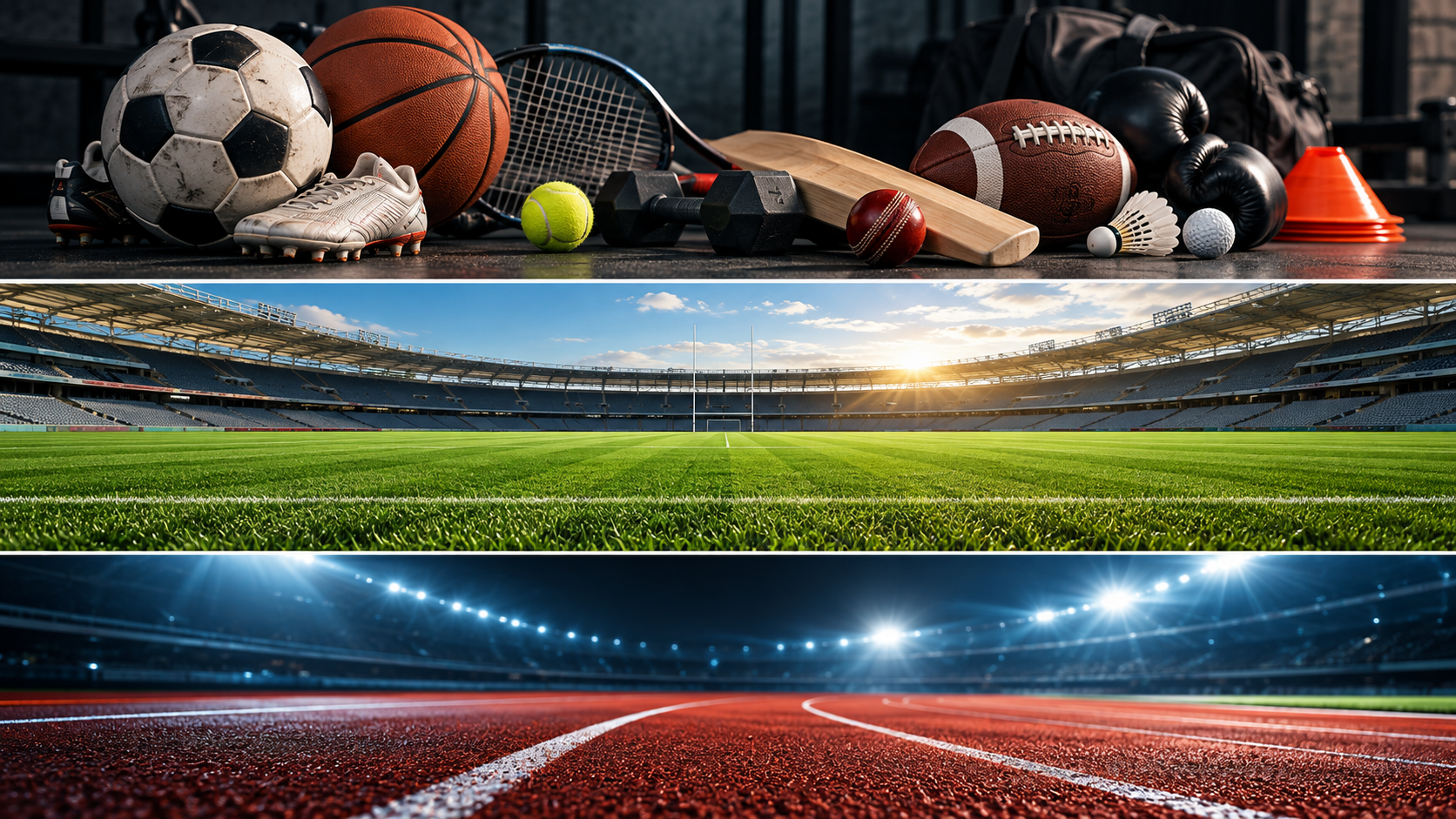
In the world of sports, the path to athletic excellence is often viewed through two distinct lenses: early specialization and multi-sport generalization. This fundamental choice in an athlete's development journey carries significant implications for their performance trajectory, physical health, psychological well-being, and ultimately, their longevity in sport. Understanding the nuances of each approach is crucial for coaches, parents, and sports organizations aiming to foster holistic and sustainable athletic growth.
Understanding the Approaches
Early specialization refers to the practice of focusing on a single sport at a young age, often with intensive, year-round training and competition. Proponents of this approach often argue that it allows athletes to develop highly specific skills, tactical understanding, and physical attributes necessary for elite performance in their chosen discipline. The belief is that by dedicating more time and effort to one sport, an athlete can gain a competitive edge and potentially reach peak performance sooner.
Conversely, a generalized or multi-sport approach encourages young athletes to participate in a variety of sports throughout their developmental years. This method emphasizes the acquisition of a broad range of fundamental movement skills, physical literacy, and diverse athletic experiences. The philosophy behind generalization suggests that a wider athletic foundation can lead to better overall motor control, adaptability, and a reduced risk of burnout or injury associated with repetitive movements common in single-sport training.
The Case for Specialization
The argument for early specialization often centers on the idea of deliberate practice and the specific demands of certain sports. For disciplines where peak performance is typically achieved at a younger age, or where highly complex, sport-specific motor skills are paramount, early and focused training might seem advantageous. It can allow for the repetition necessary to master intricate techniques and develop a deep understanding of game strategy. This focused pathway can also facilitate early identification and nurturing of talent within a specific sport's system, potentially leading to accelerated progression through competitive tiers.
However, this approach comes with inherent risks. Intensive, repetitive training in a single sport can place undue stress on developing bodies, leading to overuse injuries that might otherwise be avoided. The psychological pressure to perform, coupled with a narrow focus, can also contribute to athlete burnout, diminished enjoyment of the sport, and a higher likelihood of dropping out of organized sports altogether. The social development aspect can also be narrower, as interactions might be limited to a smaller group of peers within a single sports context.
The Benefits of Generalization
Advocates for multi-sport participation highlight a range of benefits that extend beyond immediate performance. Participating in various sports exposes young athletes to different movement patterns, energy systems, and tactical challenges. This broad exposure helps develop a more complete athletic profile, enhancing agility, balance, coordination, and overall physical literacy. These transferable skills can then be applied to any sport the athlete eventually chooses to pursue more seriously.
Beyond the physical advantages, a generalized approach can foster greater psychological resilience and enjoyment. The variety can prevent the monotony of repetitive training, reducing the risk of burnout. It also allows athletes to experience different team dynamics and coaching styles, which can contribute to broader social and emotional development. Furthermore, by delaying specialization, athletes have more time to mature physically and emotionally, allowing for a more informed decision about which sport, if any, they wish to pursue at a higher level. This can lead to greater intrinsic motivation and a deeper, more sustained passion for their chosen activity.
Impact on Long-Term Performance and Athlete Welfare
The long-term implications of these developmental pathways are a critical consideration for sports systems globally. While early specialization might yield early successes for some, research often suggests that a generalized approach can contribute to greater career longevity and sustained elite performance. Athletes with a diverse athletic background may possess a broader physical toolkit, making them more adaptable to new challenges and less prone to the specific biomechanical stresses that lead to chronic injuries.
Moreover, athlete welfare encompasses not just physical health but also mental and emotional well-being. A balanced approach that prioritizes holistic development over singular focus can help cultivate athletes who are not only physically capable but also mentally robust and well-adjusted. This includes fostering a love for activity itself, rather than solely focusing on competitive outcomes, which can be crucial for maintaining engagement and preventing early exit from sports. The ability to draw on diverse experiences can also aid in problem-solving and strategic thinking within their primary sport, offering a competitive advantage that goes beyond pure technical skill.
Ultimately, the optimal pathway for athlete development is not a one-size-fits-all solution. It often lies in finding a thoughtful balance, recognizing the individual needs, aspirations, and developmental stage of each athlete. Sports organizations and coaching philosophies are increasingly exploring hybrid models that incorporate elements of both approaches, aiming to harness the benefits of focused training while preserving the advantages of broad athletic development and promoting long-term athlete welfare.
References
- Sports Systems Evergreen | sports-systems-evergreen · primary