The Cut That Makes an Innocent Glance Look Suspicious
Editing creates a relationship between images, and your mind is quick to supply the missing explanation.
A character looks to one side. The next shot shows a locked drawer. Suddenly the glance seems secretive. Show a sleeping child instead and the same expression may feel protective.
Meaning lives between shots too
In his account of his filmmaking methods, Alfred Hitchcock discusses building films through planned images and editing. The broader viewing lesson is easy to test: a shot's meaning can change when its neighbour changes.
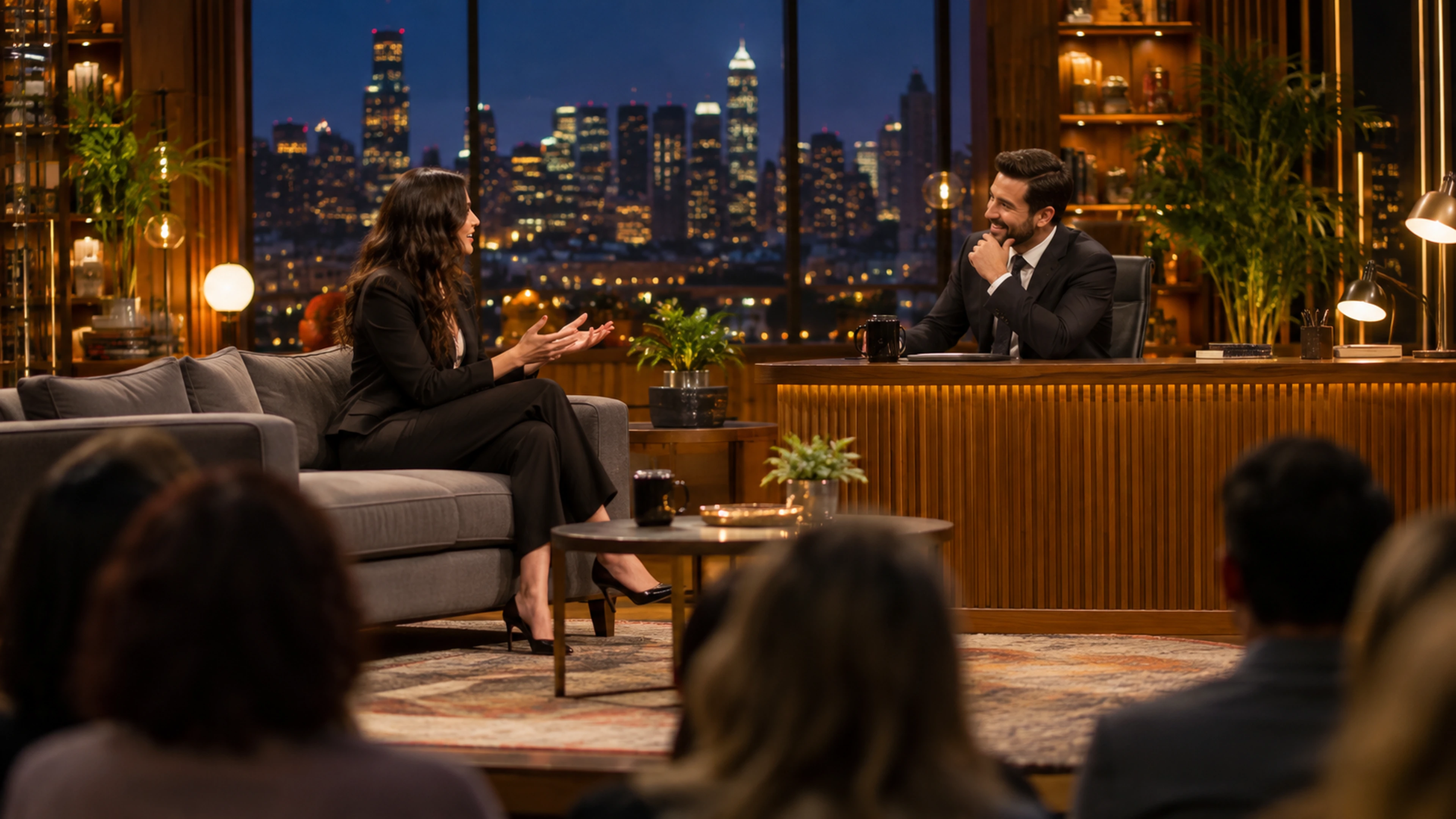
Editorial image from Blogdel's entertainment collection, used for illustration.
Create an imaginary three-shot sequence: a face, an object, the same face again. Replace only the object. A banknote, an empty plate and a ticking clock suggest different concerns without requiring the face to perform three new expressions.
Watch what the cut asks you to assume
When a film implies guilt, attraction or danger, ask what you actually saw and what you inferred. Did the character touch the object? Did the shots establish the same space? Was the relationship created mainly by their order?
This does not make editing dishonest. It is part of cinema's expressive power. It also explains why a skilful sequence can feel immediate while doing considerable interpretive work. The audience is not merely watching separate pictures; it is continuously connecting them into a story.

Editorial image from Blogdel's entertainment collection, used for illustration.
Sources and further reading
References
- Alfred Hitchcock: my own methods | BFI · primary