The Hidden Curriculum: Unpacking the Unspoken Lessons of Education
Beyond textbooks and explicit lessons, the hidden curriculum shapes students' values, behaviors, and understanding of the world through unspoken rules and systemic structures within educational environments.
The journey through any educational system involves more than just absorbing facts from textbooks or mastering explicit skills taught in classrooms. Alongside the official curriculum – the subjects, topics, and learning objectives formally outlined – exists a powerful, often unacknowledged force known as the hidden curriculum. This concept refers to the unwritten rules, values, attitudes, and perspectives that students learn implicitly through the structure, routines, social interactions, and culture of their educational environment. Understanding the hidden curriculum is crucial for grasping the full scope of what schools and universities teach, and how these institutions shape individuals beyond academic achievement.
Defining the Hidden Curriculum
The hidden curriculum encompasses the subtle yet potent lessons conveyed through the daily operations of an educational institution. It's not about what is explicitly taught, but rather what is implicitly learned. For instance, while a science class might teach the principles of physics, the hidden curriculum might simultaneously teach students about punctuality through bell schedules, conformity through dress codes, or the value of competition through grading systems. These lessons are often absorbed unconsciously, shaping students' understanding of authority, social norms, gender roles, class structures, and their own place within society.
This implicit learning can stem from various aspects of the educational setting:
- Institutional Structure: The hierarchy of staff, the division of labor, and the rules governing student behavior.
- Classroom Dynamics: How teachers interact with students, how students are encouraged or discouraged from speaking, and the emphasis on individual versus group work.
- School Culture: The prevailing attitudes towards success, failure, effort, and creativity; the celebration of certain achievements over others.
- Physical Environment: The design of classrooms, common areas, and playgrounds can subtly influence behavior and social interaction.
- Assessment Methods: Beyond evaluating knowledge, assessment can teach students about the value of memorization versus critical thinking, or the importance of meeting deadlines.
The hidden curriculum is a continuous thread woven through every educational experience, influencing not just academic performance but also personal development and social integration. It is a critical component of the overall educational landscape, contributing significantly to what students internalize about the world and their role within it.
Manifestations and Mechanisms of Transmission
The hidden curriculum manifests in countless ways, often operating through routine and repetition. One primary mechanism is through the socialization process. Schools are significant agents of socialization, preparing individuals for societal roles. Students learn to navigate social hierarchies, understand power dynamics, and adapt to group norms. For example, waiting in line, raising a hand before speaking, or adhering to specific rules for using common resources are all lessons in social order and respect for collective well-being, even if not explicitly stated as learning objectives.
Another key mechanism is the reinforcement of values and beliefs. While an explicit curriculum might promote critical thinking, the hidden curriculum could inadvertently reward passive reception of information if classroom practices primarily involve lecturing and rote memorization for exams. Conversely, a school that consistently encourages student voice in decision-making, even in small ways, implicitly teaches the value of participation and democratic principles. The messages conveyed through how conflicts are resolved, how diversity is acknowledged (or ignored), and what behaviors are praised or punished, all contribute to this implicit value system.
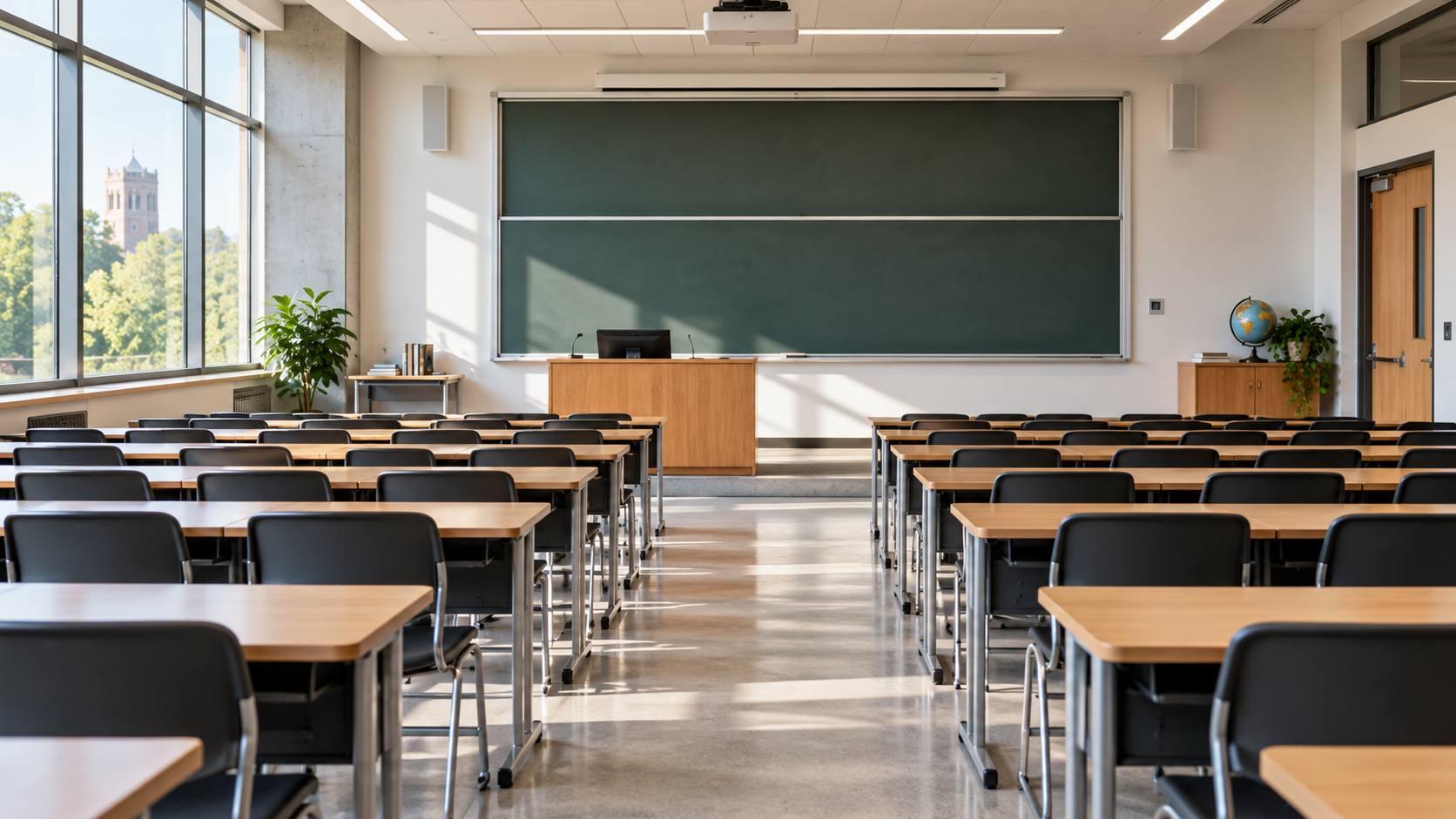
Furthermore, the organization of time and space within educational institutions plays a significant role. The rigid scheduling of classes, the division of subjects into distinct periods, and the physical separation of different age groups or academic tracks can implicitly teach about efficiency, specialization, and social stratification. Even the design of a classroom-whether it features rows of desks facing a teacher, or flexible seating arrangements for collaborative work-sends powerful, unspoken messages about the desired mode of learning and interaction.
These manifestations are not always intentional. Educators, administrators, and even students themselves contribute to the hidden curriculum through their daily actions and interactions. It's a dynamic, evolving aspect of any learning environment, constantly shaping and being shaped by its participants.
Impact and Implications for Learning
The implications of the hidden curriculum are far-reaching, impacting students' academic trajectories, personal identities, and future societal roles. On the positive side, it can instill valuable life skills such as discipline, perseverance, cooperation, and respect for others. A school culture that implicitly values effort and resilience, for instance, can help students develop a growth mindset, encouraging them to view challenges as opportunities for learning rather than insurmountable obstacles. It can also foster a sense of belonging and community, crucial for holistic development.
However, the hidden curriculum can also have less desirable consequences. If it inadvertently reinforces existing social inequalities, for example, by subtly favoring certain socioeconomic backgrounds or cultural norms, it can perpetuate disparities in educational outcomes. Students from marginalized groups might find their implicit knowledge and ways of interacting clash with the unspoken expectations of the school, leading to feelings of alienation or disengagement. Similarly, an overemphasis on competition might stifle creativity or discourage collaborative learning, even if the explicit curriculum advocates for these qualities.
For educators and policymakers, understanding the hidden curriculum offers an opportunity to critically examine the full impact of educational practices. By becoming aware of the implicit messages being sent, institutions can work towards aligning their unwritten lessons with their stated educational goals. This involves reflecting on classroom management techniques, school policies, assessment methods, and the overall institutional culture. The goal is not to eliminate the hidden curriculum-as implicit learning is an unavoidable part of human experience-but to make it more intentional, equitable, and supportive of desired learning outcomes.
Ultimately, the hidden curriculum underscores that education is a profoundly holistic process. What students learn about themselves, others, and the world is not confined to the pages of a textbook. It is deeply embedded in the very fabric of the learning environment, shaping their development in ways that are both subtle and profound. Recognizing and thoughtfully engaging with these unspoken lessons is a vital step towards creating more effective and equitable educational experiences for all learners.
References
- Education Systems Evergreen | education-systems-evergreen · primary