The Most Useful Committee Hearing Question Is Often the Boring-Looking One
Dates, responsible officials and evidence can reveal more than a dramatic exchange across the room.
A hearing produces a sharp exchange and a short clip races across social media. The quieter question just before it may contain the more useful information: who was responsible, by when, and where is the evidence?
Listen for a checkable answer
Parliament's committee information and public-participation framework describe formal spaces for scrutiny and involvement. When following a hearing, pay attention to whether an answer names a document, deadline or measurable action.
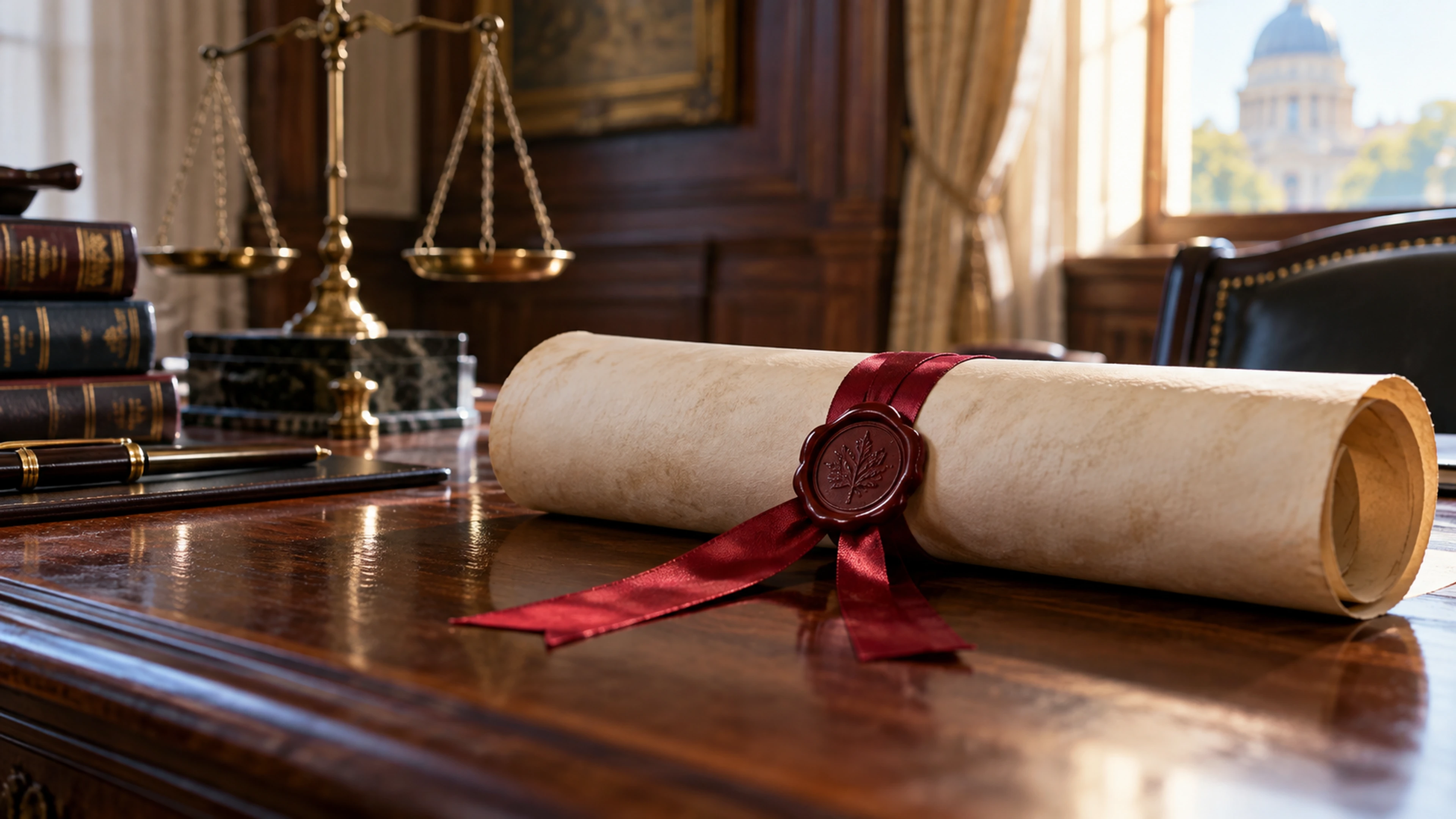
Editorial image from Blogdel's politics collection, used for illustration.
Imagine an official saying a delayed project is “receiving attention.” The next useful question is what has happened since the previous appearance. An update with dates can be compared with the earlier record; a reassuring phrase cannot.
Watch the follow-up
Keep the commitment and look for it at the next meeting. Did the promised report arrive? Was the same explanation repeated? Was responsibility transferred without a clear account of what changed?
This approach does not require choosing the most entertaining speaker. It treats a hearing as a sequence of claims that can be tested over time. Sharp questioning can be valuable, but its value grows when it creates a record that survives beyond the clip. Accountability is easier to see when yesterday's promise stays in the room.
Editorial image from Blogdel's politics collection, used for illustration.
Sources and further reading
References
- Committees | Parliament of South Africa · primary
- Public Participation Framework for Parliament and the Legislatures | South African Government · primary