Why a Trailer Can Sell a Different Film From the One You Watch
Selection and sequence can promise a mood that the full story only visits briefly.
The trailer suggests relentless comedy. The film turns out to be a quiet drama with three jokes. The footage may be genuine while the promise created by its selection feels different.
A miniature story has its own shape
Film editing and sound can create meaning through arrangement, as the BFI's filmmaking and audio material illustrates. A trailer adds another constraint: it must establish an appealing expectation very quickly.
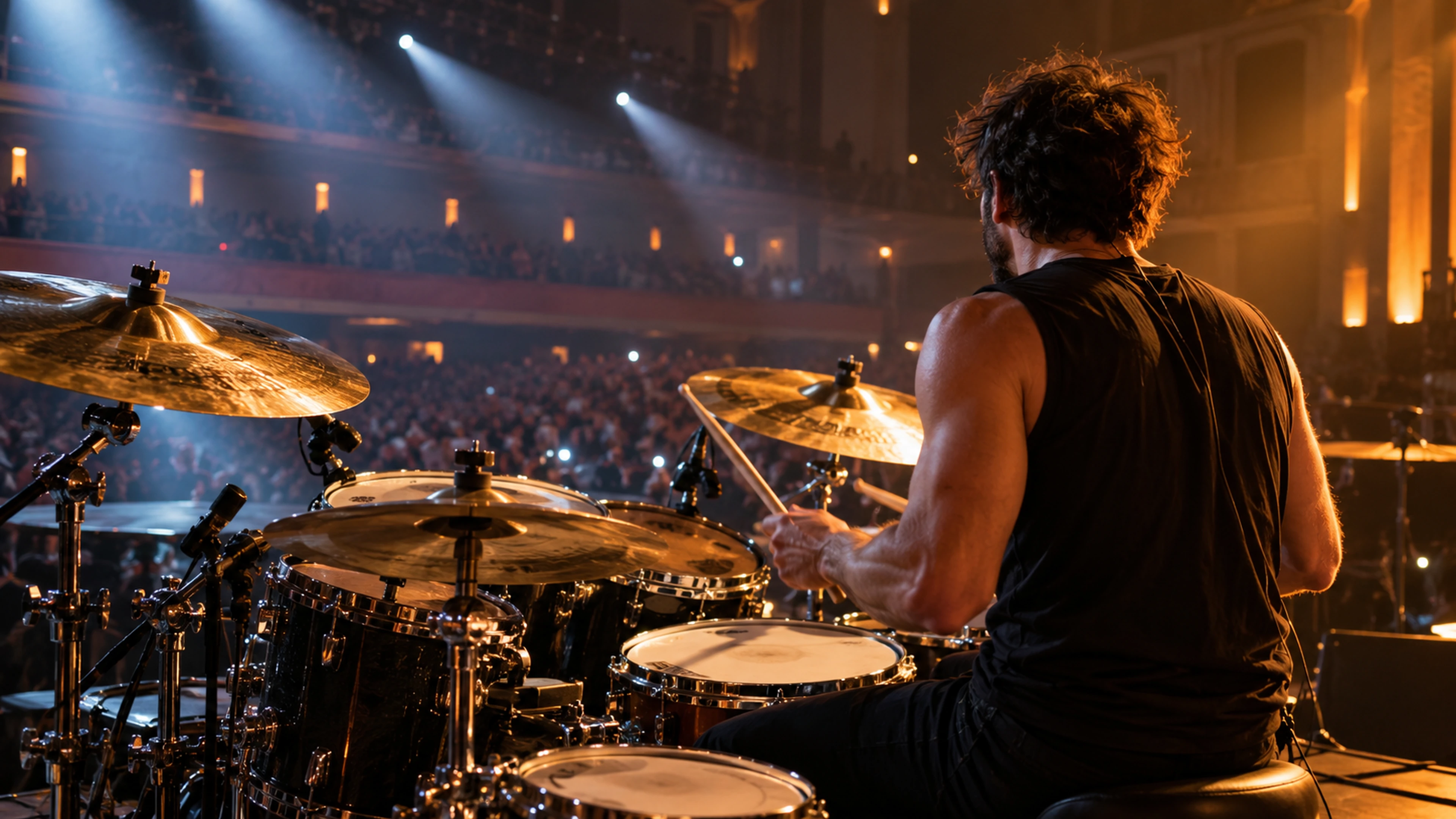
Editorial image from Blogdel's entertainment collection, used for illustration.
Imagine taking the same invented film and building two previews. One uses the funniest reactions, fast cuts and lively music. The other uses pauses, uneasy looks and a restrained soundtrack. Both can contain real moments while suggesting very different experiences.
Read the promise carefully
Notice what the trailer emphasises and what it leaves unclear. Does it show the central relationship or mostly individual punchlines? Does the music supply an emotion that the dialogue has not established? Are you being offered a premise, a star or a particular mood?
This is not a reason to distrust every preview. It is a way to understand the craft and adjust expectations. A trailer is a designed invitation. The interesting question is how closely the experience it promises matches the longer story that follows.

Editorial image from Blogdel's entertainment collection, used for illustration.
Sources and further reading
References
- Alfred Hitchcock: my own methods | BFI · primary
- 10 great audio-centric films | BFI · secondary