Antibiotic Resistance Is About the Germs, Not Your Willpower
Understanding what becomes resistant helps explain why an antibiotic is not the automatic answer to feeling ill.
The phrase antibiotic resistance can sound as if a person's body has become stubborn. The important change is in microorganisms: they can develop ways to withstand medicines intended to act against them.
Match the treatment to the problem
WHO identifies misuse and overuse of antimicrobials among drivers of resistance. NHS guidance explains that antibiotics treat certain bacterial infections, not viral illnesses such as colds. Feeling miserable alone does not establish which type of infection is present.

Editorial image from Blogdel's health collection, used for illustration.
That distinction makes a clinical assessment more valuable than a demand for a particular prescription. Ask what the medicine is intended to treat and what signs should prompt another consultation. A clear explanation can be more useful than leaving with a drug you did not need.
Keep treatment personal
Do not share leftover antibiotics or copy someone else's course. Follow the prescribing professional's instructions and ask a pharmacist or clinician if side effects or uncertainty arise. Changing a course on your own is not a sensible experiment.
Resistance is a public-health issue, but that does not turn a sick person's appointment into a moral trial. The practical aim is appropriate treatment today and medicines that remain useful tomorrow. Better questions help with both.
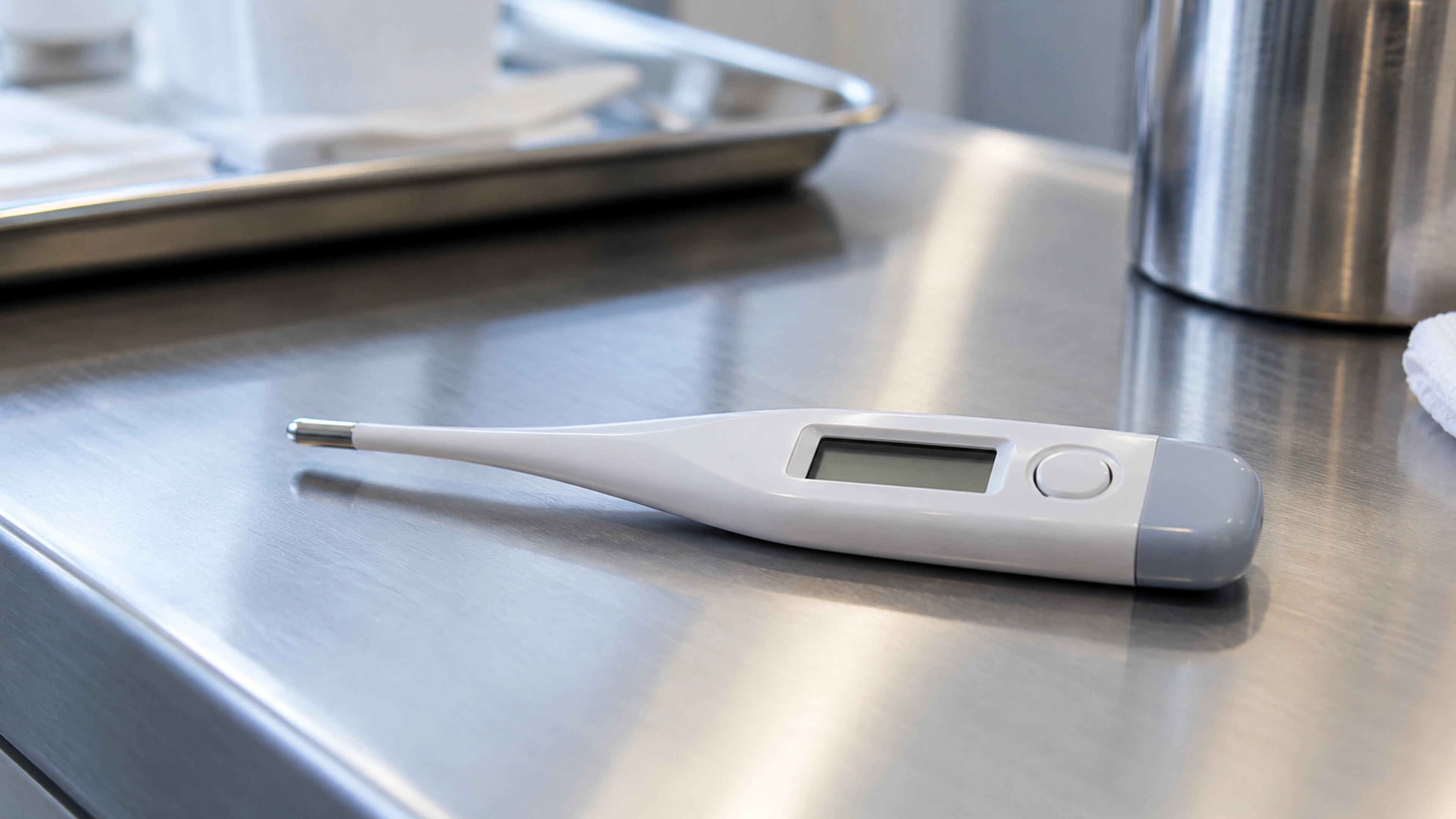
Editorial image from Blogdel's health collection, used for illustration.
Sources and further reading
References
- Antimicrobial resistance | WHO · primary
- Antibiotics | NHS · primary