Designing Learning Spaces for Cognitive Engagement
Explore how the design of physical and digital learning environments shapes attention, memory, and motivation, and how inclusive design principles can broaden access and improve outcomes.

The Science of Learning Environments
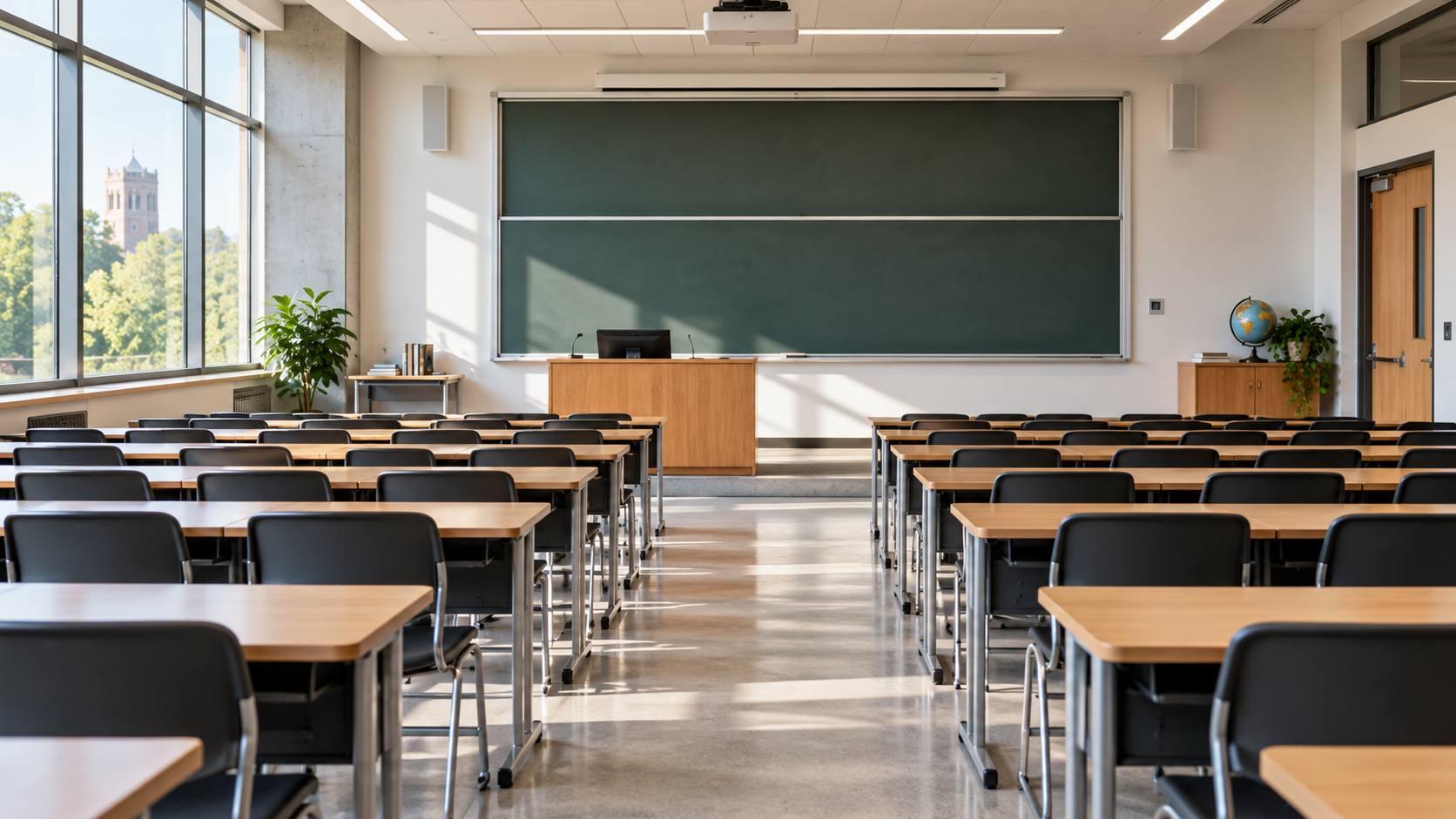
Learning does not occur in a vacuum. Cognitive science and educational psychology consistently show that the spaces where learners interact with content-whether a classroom, a lecture hall, a study room, or a virtual platform-have a profound influence on attention, memory retention, and motivation. Elements such as lighting, acoustics, seating arrangement, and the availability of technology can either support or hinder the cognitive processes that underlie learning. For instance, natural light has been linked to improved concentration, while excessive noise can distract learners and reduce the ability to encode new information.
In digital settings, interface design, navigation flow, and the responsiveness of learning management systems affect how easily learners can access and engage with material. A cluttered interface may overwhelm, whereas a clean, intuitive layout encourages exploration and self‑directed study. These observations underline the principle that learning environments are not merely backdrops; they are active participants in the educational experience.
Designing for Engagement
Creating environments that foster engagement requires a blend of evidence‑based design strategies and an understanding of the learner’s context. Key considerations include:
- Flexible Seating – Allowing learners to choose seating arrangements that suit their comfort and focus can reduce cognitive load and promote sustained attention. Adjustable desks, standing options, and collaborative tables support varied learning styles.
- Multisensory Stimuli – Incorporating visual, auditory, and tactile elements that are relevant to the content can reinforce memory pathways. For example, using colour coding for concept maps or incorporating physical manipulatives in science lessons can make abstract ideas tangible.
- Technology Integration – Seamless integration of devices and digital resources ensures that technology supports, rather than distracts from, the learning objectives. Providing reliable Wi‑Fi, interactive whiteboards, and accessible multimedia content helps learners interact with material in multiple modalities.
- Clear Signage and Navigation – In physical spaces, clear signage and logical room layouts reduce the time learners spend searching for resources, freeing cognitive capacity for learning tasks. In virtual environments, intuitive menu structures and consistent navigation cues serve the same purpose.
These design choices are not arbitrary; they stem from research that links environmental affordances to cognitive engagement. By aligning the physical and digital layout with how the brain processes information, educators can create spaces that naturally encourage deeper learning.
Inclusive Design and Access
An effective learning environment must also be inclusive, ensuring that all learners, regardless of ability or background, can participate fully. Universal Design for Learning (UDL) provides a framework that addresses this need by offering multiple means of representation, engagement, and expression.
- Representation – Presenting information in varied formats (text, audio, video, interactive simulations) accommodates differences in sensory preferences and learning needs.
- Engagement – Providing choice in how learners engage with content-such as selecting topics of personal relevance or choosing collaborative versus independent tasks-can increase motivation for diverse student populations.
- Expression – Allowing learners to demonstrate understanding through multiple channels (written reports, oral presentations, visual projects) ensures that assessment reflects knowledge rather than test‑taking skill.
Accessibility features such as captioning, screen reader compatibility, and adjustable font sizes are practical implementations of UDL principles that remove barriers for learners with disabilities. Moreover, designing spaces that are physically accessible-ramps, wide doorways, and ergonomic furniture-ensures that everyone can move freely and comfortably.
When inclusive design is integrated from the outset, it becomes a foundational element rather than an afterthought. This proactive approach not only supports learners with specific needs but also enhances the overall learning experience for all students.
The Path Forward
Educational stakeholders-from policymakers to classroom teachers-must recognise that learning environments are dynamic ecosystems. Continuous assessment of how space affects learning, coupled with iterative design improvements, can lead to sustained gains in academic performance and learner well‑being. By grounding design decisions in research and embracing inclusive principles, schools and universities can create environments that not only accommodate but actively promote cognitive engagement for every learner.
References
- UNESCO. Education Systems Evergreen. https://www.unesco.org/en/education
References
- Education Systems Evergreen | education-systems-evergreen · primary