Digital Ecosystems and the Future of Lifelong Learning
An exploration of how digital platforms and informal learning environments are reshaping skill acquisition, equity, and credentialing beyond traditional schools and universities.
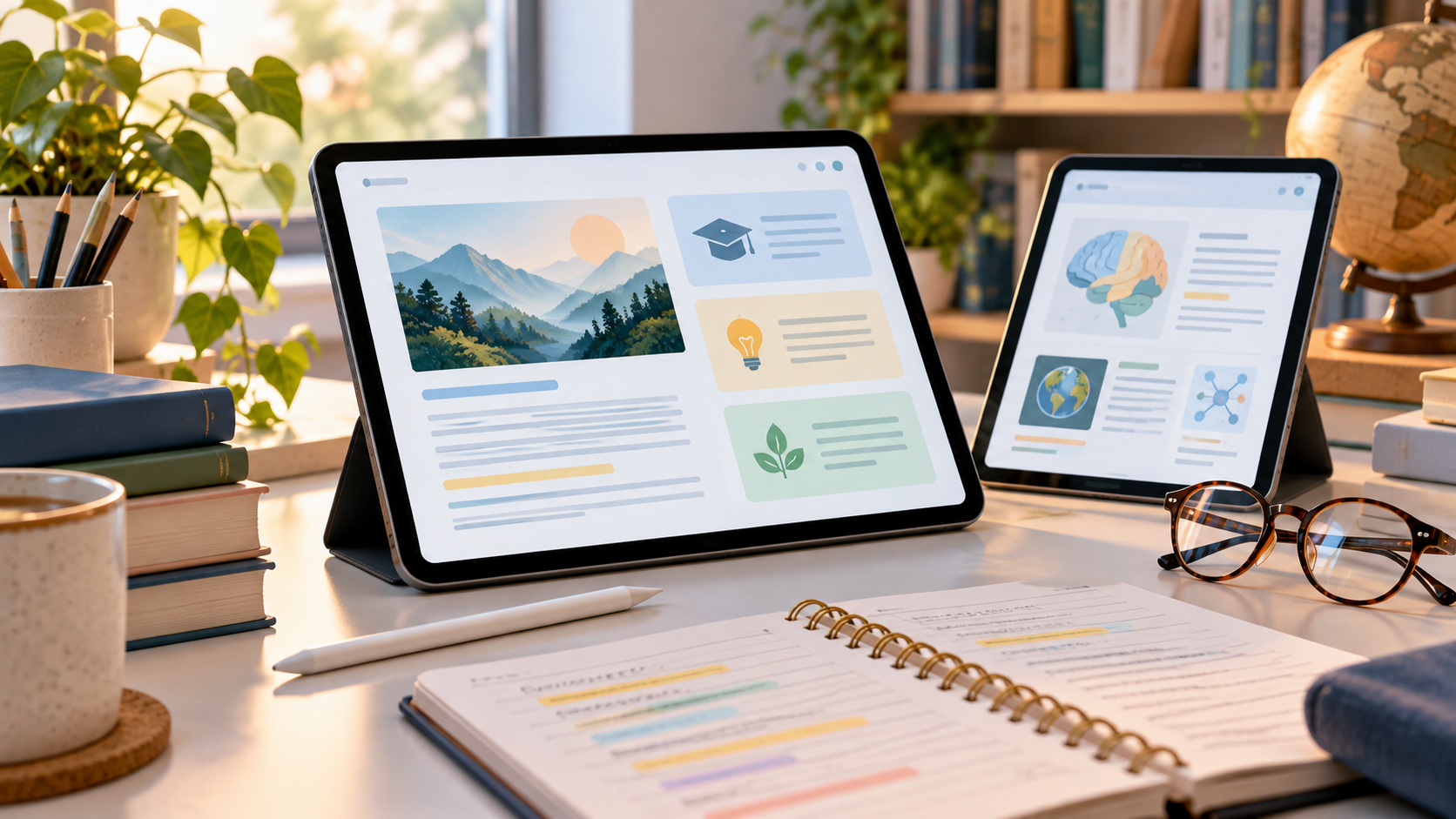
The Evolution of Learning Paradigms
Learning has long been associated with formal institutions-schools, colleges, and universities. In recent decades, however, the boundaries of where and how people acquire knowledge have broadened dramatically. Digital technologies, open‑access resources, and community‑driven initiatives have created a more fluid learning landscape that extends well beyond the classroom.
Beyond the Classroom: Informal Learning Ecosystems
Informal learning refers to knowledge gained outside structured courses. It includes peer‑to‑peer tutoring, maker spaces, online forums, and project‑based collaborations. These ecosystems thrive on curiosity, experimentation, and immediate feedback. Because they are often free or low‑cost, they can reach audiences that traditional institutions find difficult to serve, thereby fostering greater inclusivity.
Digital Tools and Adaptive Learning
Adaptive learning platforms use data analytics to tailor content to individual progress. Algorithms track performance, identify gaps, and recommend targeted practice. This personalised approach can accelerate skill development, especially for learners who struggle with one‑size‑fits‑all curricula. Moreover, digital tools enable micro‑credentialing-short, focused certifications that can be stacked to demonstrate competence in specific areas.
Equity and Access in the Digital Age
While digital platforms democratise access to information, they also risk deepening existing disparities. Reliable broadband, suitable devices, and digital literacy are prerequisites for participation. Policymakers and educators must therefore invest in infrastructure, digital skills training, and inclusive design to ensure that the benefits of online learning are shared equitably.
The Future of Credentialing
Traditional degrees are increasingly complemented by alternative credentials such as certificates, badges, and micro‑credentials. Employers are shifting toward competency‑based assessments that value demonstrable skills over formal titles. This trend encourages lifelong learning, as individuals continually update their portfolios to remain competitive in a fast‑moving job market.
Bridging Skills and Employment
The alignment between learning outcomes and labour market needs is critical. Partnerships between industry and education providers can help design curricula that reflect real‑world requirements. Apprenticeships, co‑operative education, and industry‑led projects provide hands‑on experience, bridging the gap between theory and practice.
Conclusion
The rise of digital ecosystems and informal learning avenues is reshaping education systems worldwide. By embracing adaptive technologies, prioritising equity, and rethinking credentialing, societies can foster a culture of lifelong learning that equips individuals for the challenges of tomorrow.
References
- Education Systems Evergreen | education-systems-evergreen · primary