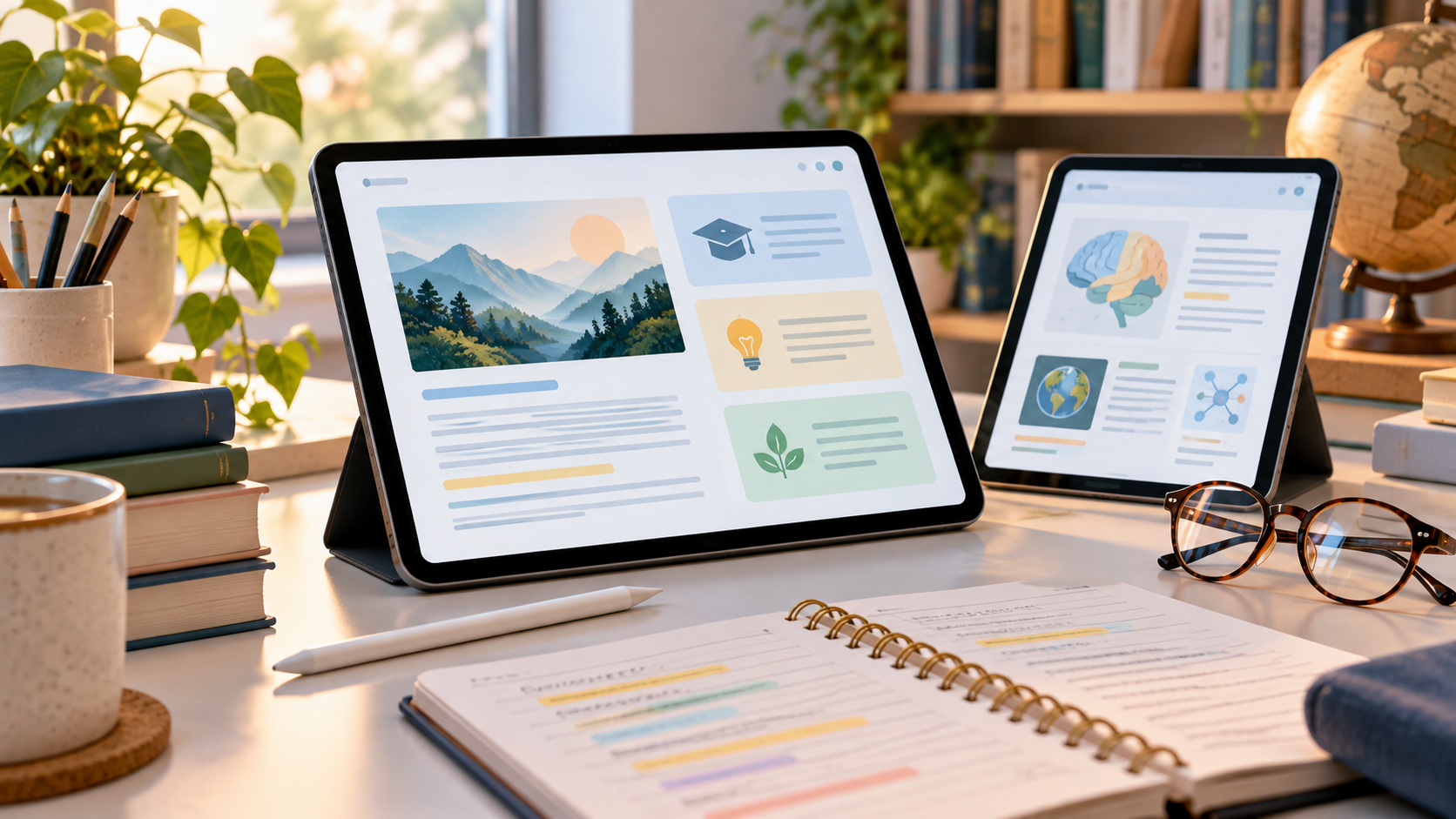
Digital Literacy as a Core Competency: Why It Matters for Every Learner
Digital literacy is increasingly essential in modern education, shaping how students access information, collaborate, and prepare for future careers.

What Is Digital Literacy?\nDigital literacy goes beyond basic computer use; it encompasses the ability to locate, evaluate, and communicate information online. It includes critical thinking about sources, understanding privacy, and creating digital content. UNESCO defines it as a set of skills that enable individuals to participate fully in a digital society.\n\n## How Schools Are Integrating Digital Skills\nMany curricula now embed digital tools across subjects. Teachers use interactive whiteboards, coding workshops, and collaborative platforms. Assessment practices shift to include project‑based tasks that require research, synthesis, and presentation in digital formats. The goal is to make digital competence an integral part of learning, not an optional add‑on.\n\n## Benefits Beyond the Classroom\nStudents who develop strong digital literacy can navigate complex information landscapes, work effectively in virtual teams, and adapt to emerging job markets. Employers increasingly look for candidates who can translate data into actionable insights. Digital fluency also supports lifelong learning, allowing individuals to self‑direct their education throughout life.\n\n## Challenges and Equity Considerations\nAccess remains uneven. Students in low‑income regions may lack reliable devices or internet. Even where technology is available, teachers need professional development to use it meaningfully. Without equity‑focused strategies, digital literacy can widen existing achievement gaps rather than close them.\n\n## Strategies for Effective Implementation\n1. Embed digital skills in core subjects – integrate research, data analysis, and communication tasks across the curriculum.\n2. Provide ongoing teacher training – focus on pedagogical approaches that combine technology with critical thinking.\n3. Ensure equitable access – schools should partner with community organisations to supply devices and connectivity.\n4. Use authentic assessment – evaluate students on real‑world projects that require problem‑solving and collaboration.\n5. Foster a culture of inquiry – encourage students to question sources, experiment with tools, and reflect on their learning processes.\nBy treating digital literacy as a foundational competency, educational systems can better prepare learners for the demands of the 21st‑century economy and society.
References
- Education Systems Evergreen | education-systems-evergreen · primary
Topics
digital literacy
education
technology
skills
learning
future skills
curriculum
equity
assessment
pedagogy
workforce
students
AI disclosure
This article was drafted by openai/gpt-oss-20b via groq from the sources listed above. Read with a critical eye. Read the full AI disclosure.