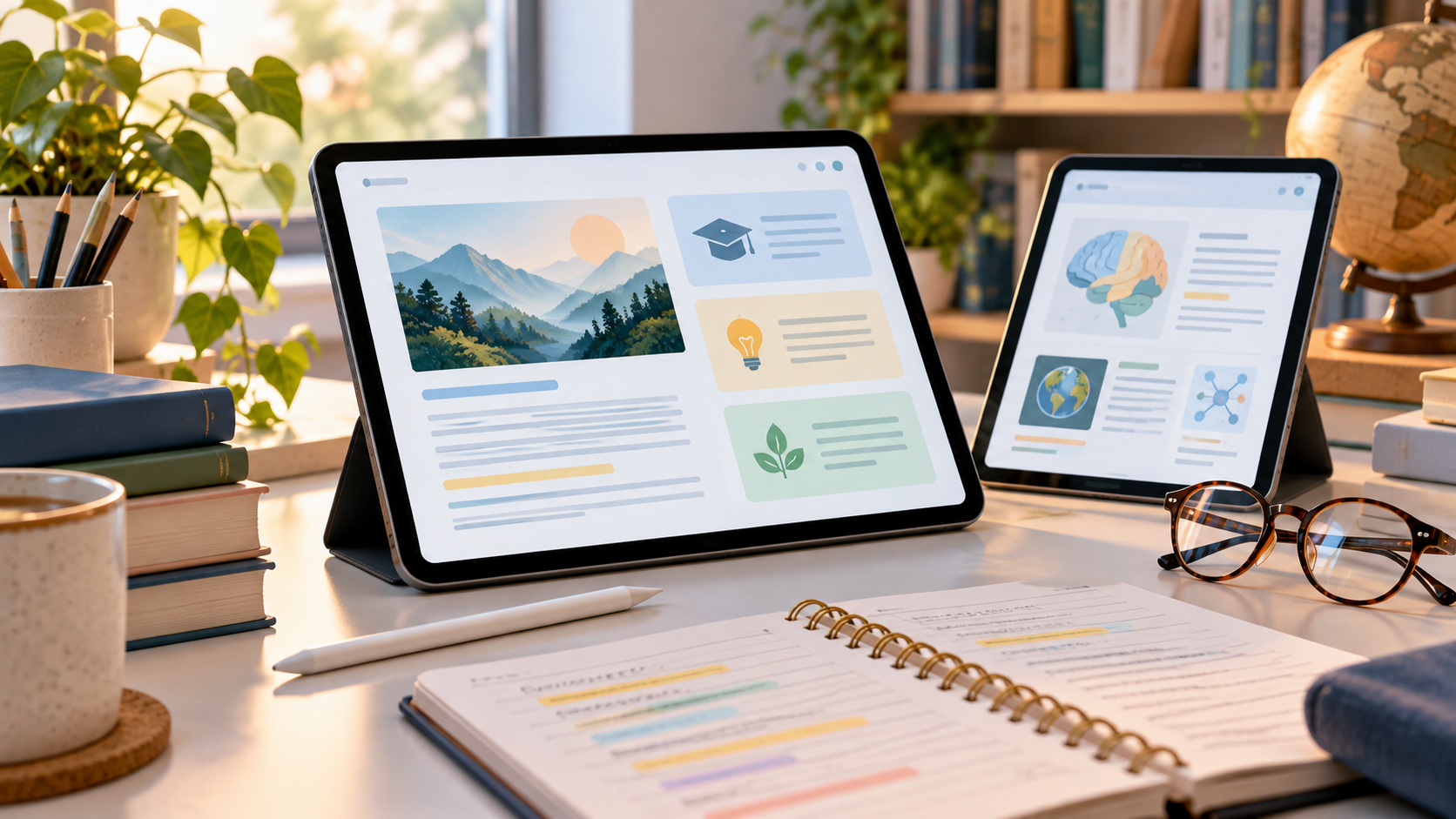
Beyond the Grade: How Assessment is Reshaping Modern Education
An exploration of how assessment practices are moving from traditional grading to personalised, formative feedback, and what this shift means for learners, teachers, and educational systems worldwide.

Introduction
Assessment is often seen as a final checkpoint-a test, a quiz, or a report card that assigns a single score to a learner’s performance. Yet the way we assess has been evolving for decades, and the shift is now moving beyond a simple number on a sheet of paper. In this article we trace the journey from summative grading to a more nuanced, continuous system of feedback and data‑driven learning. We examine how this transformation is influencing classroom practice, teacher roles, student motivation, and the broader structure of education systems.
Historical Perspective
The traditional model of assessment, rooted in the early 20th century, emphasised summative evaluation. A final exam or a year‑end test would determine a student’s progression and, often, their future opportunities. This model was convenient for large‑scale standardisation and comparison across schools and countries. However, it also had limitations: it encouraged memorisation, reduced the time for deep learning, and sometimes masked individual learning gaps.
In the latter part of the century, research began to highlight the benefits of formative assessment-ongoing checks for understanding that provide immediate feedback and guide instruction. The shift was driven by a growing recognition that learning is a dynamic process and that assessment should support, rather than merely measure, that process.
The Shift to Formative Assessment
Formative assessment is characterised by:
- Continuous feedback – Instead of a single grade, students receive comments on specific skills or concepts.
- Learning goals – Assessment is tied to clear, attainable objectives that students can work towards.
- Student agency – Learners are encouraged to reflect on their own progress and set personal targets.
This approach aligns assessment with pedagogy, ensuring that the act of testing becomes an integral part of the learning cycle rather than a separate event.
Personalised Feedback and Adaptive Learning
With advances in data analytics and learning management systems, personalised feedback has become more sophisticated. Adaptive learning platforms analyse student responses in real time and adjust the difficulty or type of content presented. This personalised pathway allows learners to progress at a pace that matches their individual needs.
Personalised feedback also supports differentiated instruction. Teachers can identify specific misconceptions and provide targeted interventions, which is especially valuable in diverse classrooms where students bring varied backgrounds and abilities.
Impact on Equity and Access
One of the most significant implications of this assessment shift is its potential to promote equity. Traditional grading can inadvertently favour students who perform well under exam conditions, often marginalising those who struggle with test anxiety or who have different learning styles.
By contrast, formative and personalised assessment:
- Reduces high‑stakes pressure – Continuous feedback lowers the stakes of any single test.
- Highlights diverse strengths – Teachers can showcase progress in areas that may not be captured by a single score.
- Supports inclusive practices – Data can reveal gaps for specific groups, enabling targeted support.
International bodies such as UNESCO have emphasised that equitable assessment practices are essential for inclusive education systems. Their Education Systems Evergreen report underscores the importance of aligning assessment with local contexts while maintaining global standards.
The Role of Technology
Technology acts as both a facilitator and a catalyst for this transformation. Digital tools enable:
- Immediate, actionable feedback – Automated grading can provide instant insights.
- Rich data visualisation – Dashboards help teachers and learners track progress over time.
- Collaborative platforms – Students can share reflections, peer‑review work, and engage in dialogue.
However, technology also introduces challenges. Digital divides-differences in access to devices and reliable internet-can exacerbate existing inequities. Moreover, data privacy concerns require robust safeguards.
Challenges and Considerations
While the move towards formative, personalised assessment offers many benefits, it is not without obstacles:
- Teacher workload – Providing detailed feedback demands time and training.
- Curriculum alignment – Assessment objectives must be clearly mapped to learning outcomes.
- Standardisation pressures – In many countries, national examinations still dominate, making widespread adoption difficult.
- Cultural acceptance – Some educators and parents still view grades as the most reliable indicator of achievement.
Addressing these challenges requires systemic support: professional development, policy reforms, and stakeholder engagement.
Future Outlook
The trajectory suggests a continued blending of formative and summative assessment. High‑stakes exams may become less frequent, replaced by portfolio assessments, project‑based evaluations, and continuous performance metrics. Artificial intelligence could further personalise learning pathways, but it will need to be paired with human oversight to maintain pedagogical integrity.
Education systems worldwide are increasingly recognising that assessment should be a tool for learning, not just a measure of it. This mindset shift aligns with UNESCO’s vision of inclusive, lifelong education that adapts to the needs of every learner.
Conclusion
Assessment is no longer a static endpoint but an evolving, integral part of the educational experience. By moving beyond the grade to embrace continuous, personalised feedback, schools and universities can foster deeper learning, greater equity, and a more responsive education system. The journey is ongoing, but the direction is clear: assessment that supports learning, rather than merely records it, is the future of education.
References
- Education Systems Evergreen | education-systems-evergreen · primary