The Quiet Power of the Human Microbiome: A Practical Guide to Everyday Health
Explore how the diverse community of microbes living in and on our bodies shapes health, influences disease risk, and can be supported with simple lifestyle choices.
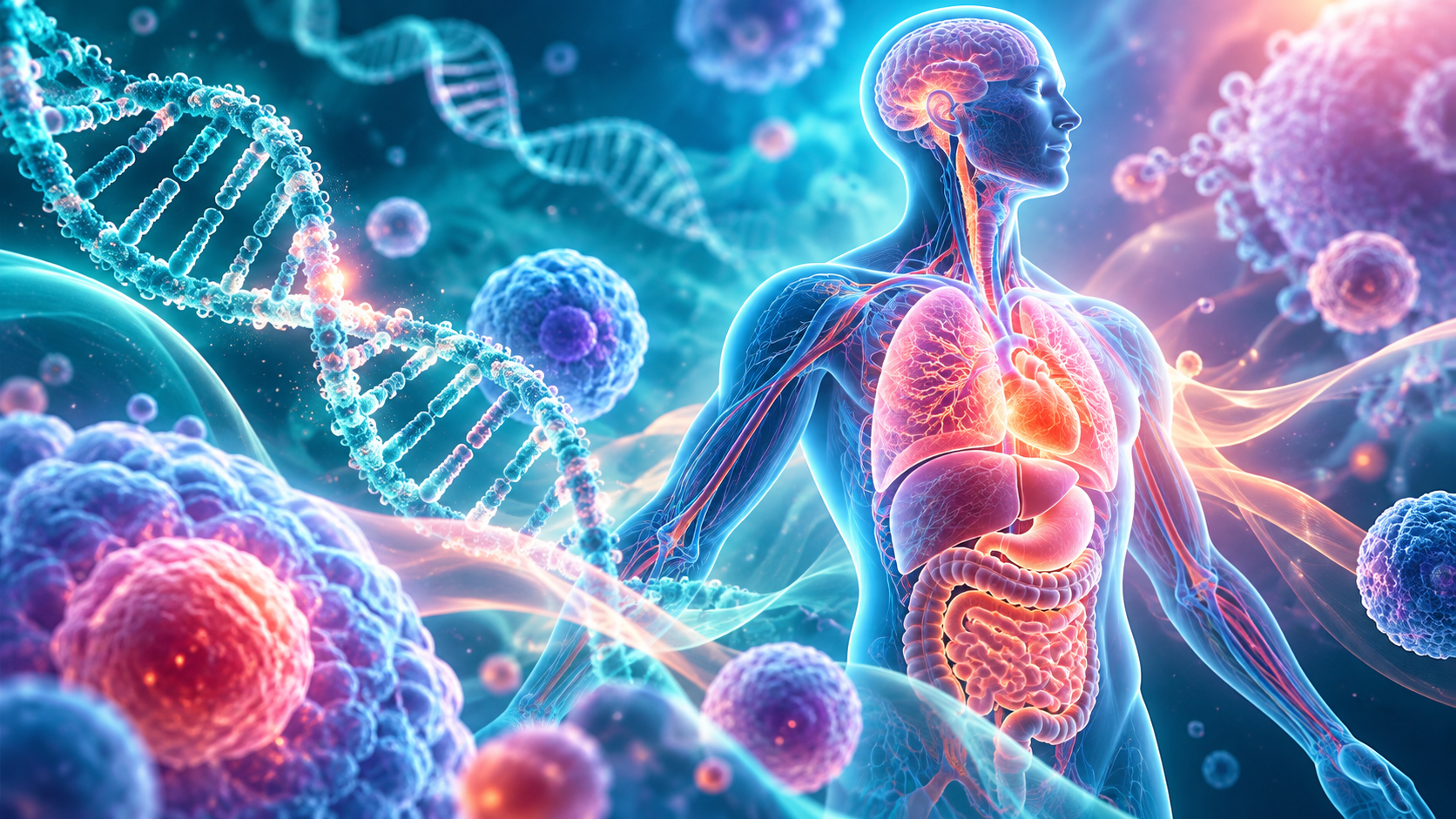
What Is the Human Microbiome?
The human microbiome refers to the trillions of microorganisms-bacteria, viruses, fungi and other microbes-that reside in and on the body. These communities live on the skin, in the mouth, in the gut, and throughout the respiratory and urogenital tracts. Each site hosts a distinct microbial ecosystem that interacts with the host’s cells, immune system and metabolism.
Scientists study the microbiome by analysing DNA sequences from samples taken from these sites. The resulting data reveal which species are present, how abundant they are, and how they change over time. Importantly, the microbiome is not static; it responds to diet, medications, stress, and environmental exposures.
How the Microbiome Shapes Health
While the microbes themselves are not disease-causing in most cases, their collective activities influence a wide range of bodily functions.
Immune System Modulation
Microbial signals help train the immune system to recognise harmful pathogens while tolerating harmless substances. A balanced microbiome supports the production of anti‑inflammatory molecules and promotes the development of regulatory immune cells.
Metabolic Functions
Gut bacteria ferment dietary fibres into short‑chain fatty acids that provide energy to colon cells and can influence insulin sensitivity, body weight and lipid metabolism. The microbiome also participates in the synthesis of vitamins such as K and certain B vitamins.
Barrier Integrity
Microbes compete with potential pathogens for space and nutrients, strengthening mucosal barriers in the gut and the skin. A robust microbial community can reduce the likelihood of infections and inflammatory conditions.
Because of these roles, disruptions in microbial balance-known as dysbiosis-have been linked to conditions such as inflammatory bowel disease, allergies, metabolic syndrome and even mood disorders. While the exact mechanisms are still being explored, the evidence suggests that maintaining a diverse microbiome is an important component of overall health.
Practical Ways to Support a Healthy Microbiome
The good news is that many everyday choices can nurture a balanced microbial community.
1. Eat a Variety of Fibre‑Rich Foods
Foods high in soluble and insoluble fibres-such as whole grains, legumes, fruits and vegetables-provide substrates that gut bacteria ferment into beneficial short‑chain fatty acids. Including a range of plant‑based foods promotes microbial diversity.
2. Limit Excessive Antibiotic Use
Antibiotics can wipe out large portions of the microbiome, sometimes for months. Use them only when prescribed for a clear bacterial infection and follow healthcare guidance on dosage and duration.
3. Consider Fermented Foods
Yogurt, kefir, sauerkraut, kimchi and other fermented products contain live cultures that can add beneficial strains to the gut. Consuming these foods regularly can help replenish microbes that may be lost through diet or medication.
4. Stay Hydrated and Manage Stress
Adequate fluid intake supports mucosal surfaces, while chronic stress can alter gut motility and immune function, indirectly affecting microbial composition. Simple stress‑reduction techniques-such as mindful breathing or gentle movement-can be part of a holistic routine.
5. Minimise Unnecessary Chemical Exposure
Household cleaners, pesticides and personal care products can contain chemicals that influence skin and gut microbes. Choosing products with fewer synthetic additives may help preserve microbial balance.
Looking Ahead
Research into the microbiome is rapidly evolving. Future developments may include personalised dietary recommendations based on an individual’s microbial profile, targeted probiotic therapies, and interventions that restore microbial diversity after illness. For now, adopting a balanced diet, limiting unnecessary antibiotics, and practising good hygiene remain the most accessible ways to support the microbial communities that quietly keep our bodies healthy.
By understanding the role of the microbiome and making informed lifestyle choices, individuals can contribute to long‑term health and reduce the risk of chronic disease.
References are provided below.
References
- Health Systems Evergreen | health-systems-evergreen · primary
- National Institutes of Health | NIH · primary