Offside Is a Freeze-Frame With a Second Question
A player's position is only the beginning of an offside decision. Involvement matters too.
The replay pauses, a line appears and the argument starts. But a single picture does not answer every part of an offside decision.
First locate, then interpret
Under IFAB Law 11, being in an offside position is not itself an offence. The relevant position is assessed when a teammate plays or touches the ball, subject to the law's details. The next question is whether the player becomes involved in active play.

Editorial image from Blogdel's sports collection, used for illustration.
Imagine two attackers beyond the defensive line. One runs toward a pass and plays it. The other moves away without interfering. Their locations may look similar in a paused image, but the referee has different actions to evaluate.
Watch more than the feet
When reviewing a disputed decision, ask which teammate played the ball, when that touch happened and what the attacker then did. Interference with an opponent can matter even without the attacker making the final touch.
That does not make close calls easy. Camera angles and timing can still be difficult, and the law contains specific exceptions. It does explain why “he was standing offside” is an incomplete argument. The position supplies one fact; the player's involvement supplies the next part of the story.
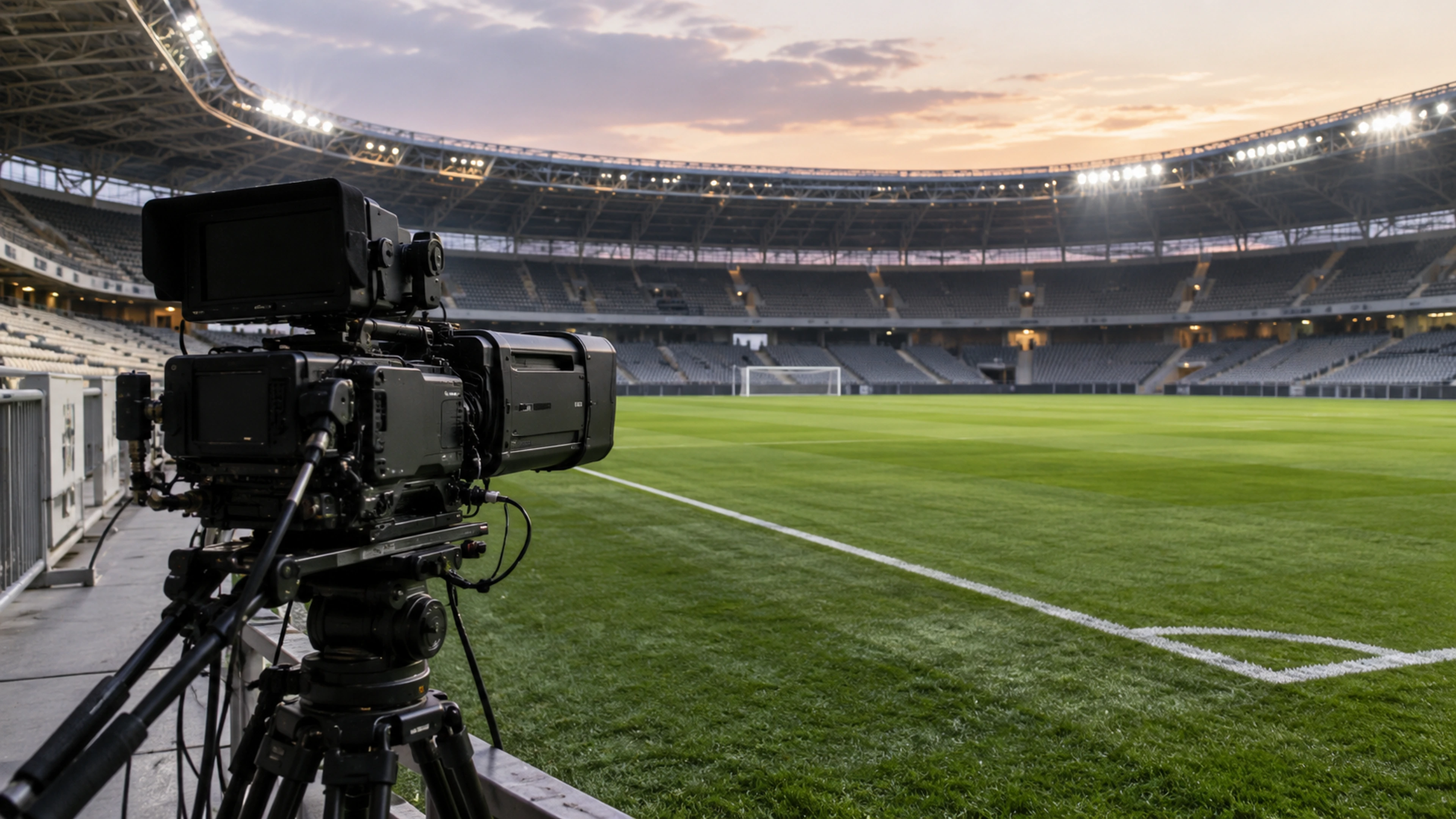
Editorial image from Blogdel's sports collection, used for illustration.
Sources and further reading
References
- Laws of the Game: offside | IFAB · primary