The Added-Time Board Is Not a Countdown to an Instant Whistle
Why a match can continue after the number shown by the fourth official has elapsed.
The board shows six minutes. At six minutes and twenty seconds, the losing team is still trying to build an attack and the crowd wants the whistle. The displayed number is not a promise of an exact stopping instant.
A minimum, with more interruptions possible
IFAB Law 7 describes allowances for time lost and says the fourth official indicates the minimum additional time decided by the referee. Further time can be lost during that additional period too.

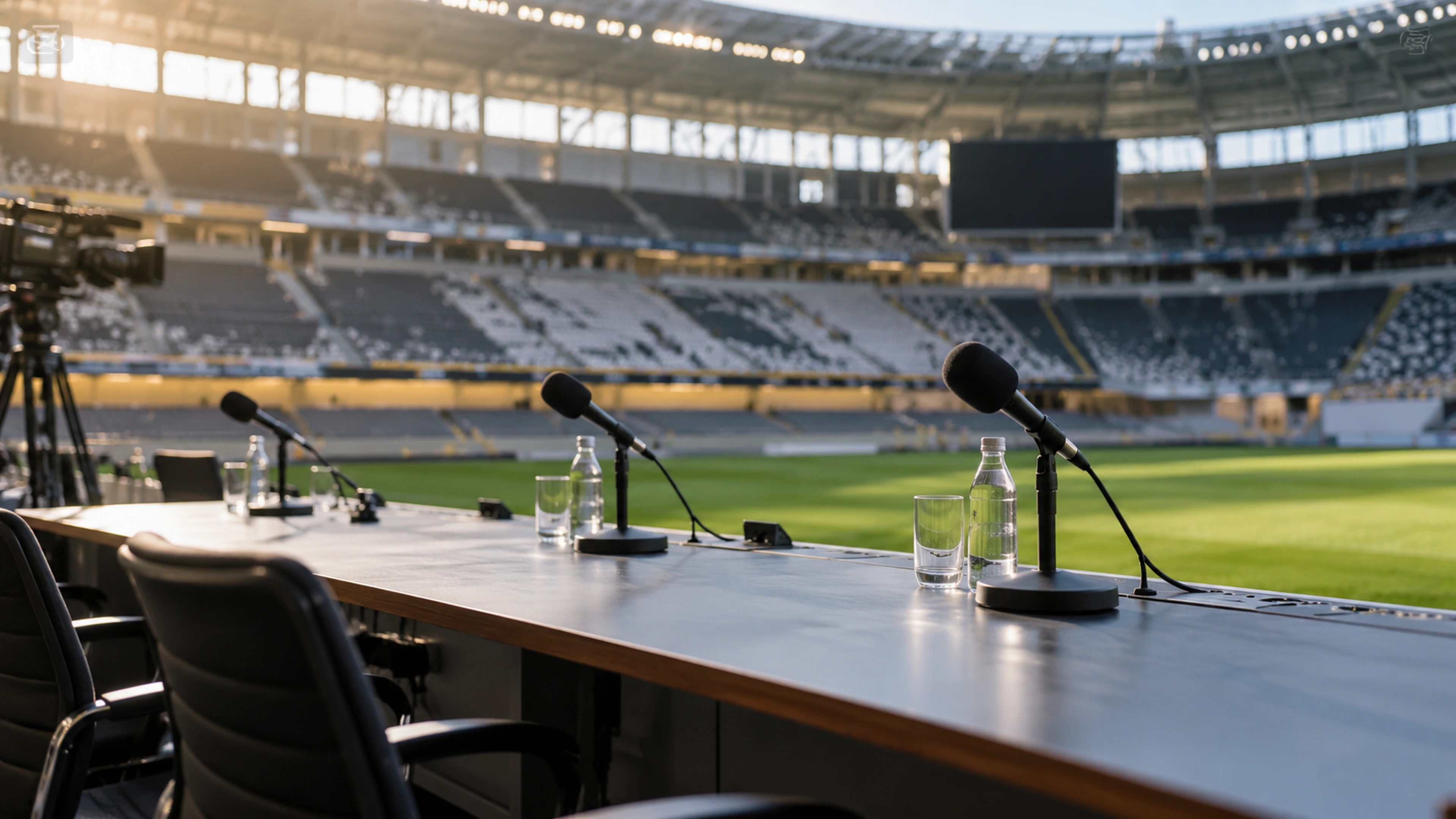
Editorial image from Blogdel's sports collection, used for illustration.
Imagine a substitution, an injury stoppage and a lengthy celebration after the board appears. The match clock continues displaying elapsed time while the referee still has interruptions to account for. The number on the board cannot predict them in advance.
Follow the sequence rather than the outrage
Note when play actually stops and resumes. Compare the additional interruptions with the time allowed. That creates a more useful discussion than treating every second beyond the board as evidence of favouritism.
Officials can make errors, and timekeeping remains a legitimate subject of scrutiny. But the starting point should be what the displayed number means. It announces a minimum allowance at that moment; it does not erase the referee's responsibility for what happens afterward.
Editorial image from Blogdel's sports collection, used for illustration.
Sources and further reading
References
- Laws of the Game: the duration of the match | IFAB · primary