The Hidden Curriculum: Unpacking Unspoken Lessons in Educational Settings
Explore the concept of the hidden curriculum, understanding how schools and universities transmit values, norms, and social expectations beyond explicit subject matter, shaping learners' development in often subtle ways.

The term "curriculum" typically brings to mind textbooks, lesson plans, and clearly defined learning objectives. Yet, within every educational institution, from elementary schools to universities, another powerful form of learning takes place-one that is rarely explicitly taught or formally assessed. This is known as the "hidden curriculum." It encompasses the unwritten rules, norms, values, and perspectives that students absorb through the structure, routines, and social interactions of their educational environment. Far from being an accidental byproduct, the hidden curriculum plays a significant role in shaping how individuals understand the world, their place within it, and the expectations placed upon them. Understanding its mechanisms is crucial for appreciating the full scope of education's influence.
What Constitutes the Hidden Curriculum?
The hidden curriculum manifests in various ways, often subtly embedded within the daily operations of a school or university. It is not a conspiracy or a deliberate plot, but rather an inherent aspect of any organized social environment that seeks to prepare individuals for participation in a larger society.
The Unspoken Rules of the Classroom
Consider the routines and regulations that govern a typical school day. Students learn to sit quietly, raise their hands before speaking, follow instructions from authority figures, and adhere to schedules. These practices, while necessary for maintaining order and facilitating explicit instruction, also transmit broader lessons about discipline, punctuality, obedience, and respect for authority. They prepare individuals for structured environments like workplaces, where similar expectations often prevail.
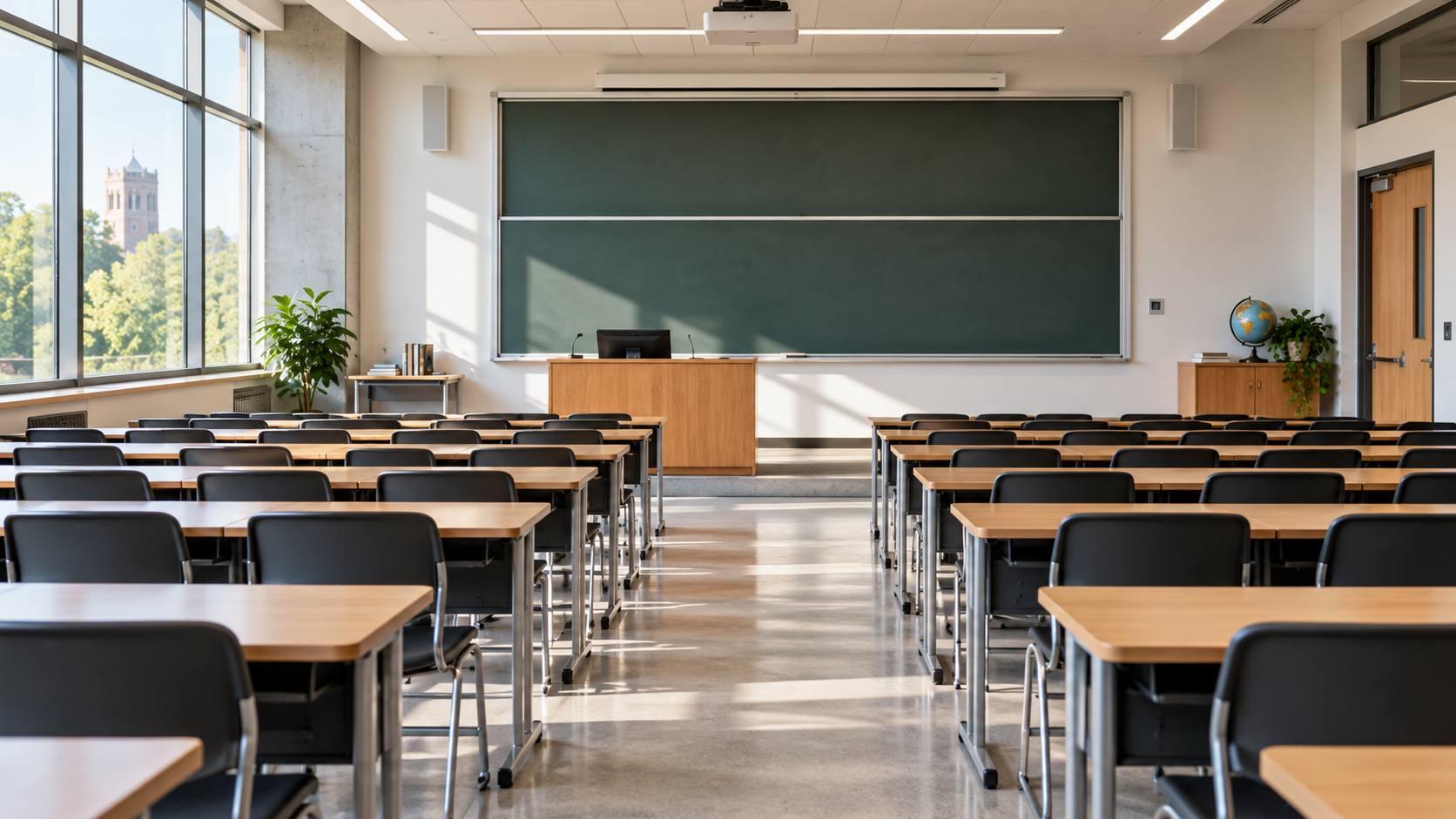
Beyond explicit rules, the physical layout of a classroom or campus can also contribute. The arrangement of desks, the allocation of space, and the presence or absence of certain resources can subtly communicate values about collaboration, individual work, hierarchy, or access. For instance, a classroom where desks are always in rows might emphasize individual work and direct instruction, while flexible seating arrangements might encourage group collaboration and self-direction.
Social Interactions and Peer Dynamics
A significant portion of the hidden curriculum is transmitted through social interactions. Students learn from their peers about acceptable social behaviors, group dynamics, and cultural norms. They observe how teachers interact with students, how students interact with each other, and how conflicts are resolved. These observations contribute to their understanding of social hierarchies, power structures, and the unwritten codes of conduct within the educational community. The types of activities encouraged or discouraged during breaks, the nature of extracurricular opportunities, and the general atmosphere of peer interaction all contribute to this informal learning.
Teacher Expectations and Institutional Values
Educators, often unconsciously, convey expectations about student behavior, effort, and potential. These expectations, whether communicated through body language, tone of voice, or differential treatment, can influence student self-perception and performance. An institution's overall values, such as an emphasis on competition versus cooperation, individual achievement versus community contribution, or academic rigor versus holistic development, are also communicated through its policies, traditions, and the stories it tells about itself. For example, a university that consistently highlights the achievements of its alumni in specific fields might implicitly steer students towards those career paths, or a school that celebrates only academic victories might inadvertently devalue vocational skills.
Impact on Learners
The lessons of the hidden curriculum can have profound and lasting effects on learners, shaping their attitudes, beliefs, and future trajectories.
Shaping Attitudes and Behaviors
Through the hidden curriculum, students internalize values related to work ethic, conformity, competition, and social responsibility. They learn what types of behaviors are rewarded and which are sanctioned, leading them to adjust their actions accordingly. This can influence their motivation, their approach to challenges, and their willingness to take risks. For example, if an environment consistently rewards quick, correct answers over thoughtful inquiry, students might learn to prioritize speed and certainty over deeper understanding or creative problem-solving.
Understanding Social Roles and Power Structures
The hidden curriculum often reinforces existing social structures and power dynamics. Students may learn about gender roles, class distinctions, or racial biases through the subtle messages conveyed in textbooks, classroom interactions, or the composition of staff and leadership. This can contribute to their understanding of their own social position and the opportunities or limitations they perceive for themselves and others. It can also influence their sense of belonging and their engagement with the educational process. For instance, if certain groups are consistently underrepresented in leadership roles or celebrated narratives, it can subtly communicate messages about who holds power or who is valued.
Preparing for Future Roles
Ultimately, the hidden curriculum serves as a form of socialization, preparing individuals for their roles in society. It instills habits, values, and perspectives that are often aligned with the needs of the broader economic and social systems. This can be beneficial in fostering a sense of civic responsibility and preparing individuals for the demands of the workforce. However, it can also perpetuate inequalities if the hidden messages reinforce stereotypes or limit aspirations for certain groups of students.
Addressing the Hidden Curriculum
Recognizing the existence and influence of the hidden curriculum is the first step toward leveraging its potential for positive impact and mitigating its potentially negative effects.
Promoting Awareness and Critical Reflection
For educators and policymakers, becoming aware of the hidden curriculum means critically examining the unspoken messages conveyed through school policies, classroom practices, and institutional culture. This involves asking questions about who benefits from current structures, whose voices are privileged, and what values are implicitly promoted. Encouraging students to critically reflect on their own educational experiences and the messages they receive can also empower them to navigate and challenge these unspoken norms.
Intentional Design and Alignment
While the hidden curriculum is often unconscious, aspects of it can be intentionally shaped. Educational institutions can strive to align their explicit values with their implicit practices. For example, if an institution values diversity and inclusion, its daily routines, disciplinary practices, and representation within its curriculum and staff should reflect these values. Creating environments that foster collaboration, critical thinking, and empathy through their structure and social norms can reinforce these skills beyond explicit lessons. This might involve rethinking assessment methods, promoting diverse perspectives in materials, or fostering inclusive social spaces.
Fostering Equity and Agency
A critical challenge is to ensure that the hidden curriculum does not inadvertently perpetuate inequalities or limit the potential of certain student groups. By making the hidden curriculum more visible, institutions can work to dismantle biases and create more equitable learning environments. This involves actively challenging stereotypes, promoting diverse role models, and ensuring that all students feel a sense of belonging and agency within the educational system. The goal is not to eliminate the hidden curriculum-which is likely impossible given its inherent nature in social settings-but to make its influence more intentional, transparent, and aligned with stated educational goals of equity and holistic development.
Conclusion
The hidden curriculum is a pervasive and powerful force within education, operating alongside the formal curriculum to shape learners' development. It transmits a complex web of values, norms, and social expectations through the daily routines, social interactions, and institutional culture of schools and universities. While often subtle and unspoken, its impact on students' attitudes, behaviors, and understanding of their place in society is profound. By acknowledging and critically engaging with the hidden curriculum, educators, institutions, and learners themselves can work towards creating more intentional, equitable, and empowering educational experiences that truly prepare individuals for a dynamic world. The ongoing dialogue about what and how we learn must therefore extend beyond explicit syllabi to encompass the full, often unseen, landscape of educational influence.
References
- Education Systems Evergreen | education-systems-evergreen · primary