The Silent Curriculum: How Unintended Lessons Shape Learners
Explore the unstated norms, values, and expectations that students absorb in educational settings, revealing the profound impact of what is taught beyond the formal curriculum.

Education is often understood as the formal process of acquiring knowledge and skills through a defined curriculum. Yet, beneath this explicit layer of learning lies a powerful, often overlooked force: the silent curriculum. This refers to the unwritten rules, norms, values, and expectations that students absorb simply by participating in an educational environment. It encompasses everything from how time is managed and authority is structured to what behaviors are implicitly rewarded or discouraged. The silent curriculum shapes not only what students learn about subjects but also how they perceive themselves, their peers, and their place in the broader world. Understanding its pervasive influence is crucial for a holistic appreciation of the educational experience.
The Unspoken Rules of Structure and Routine
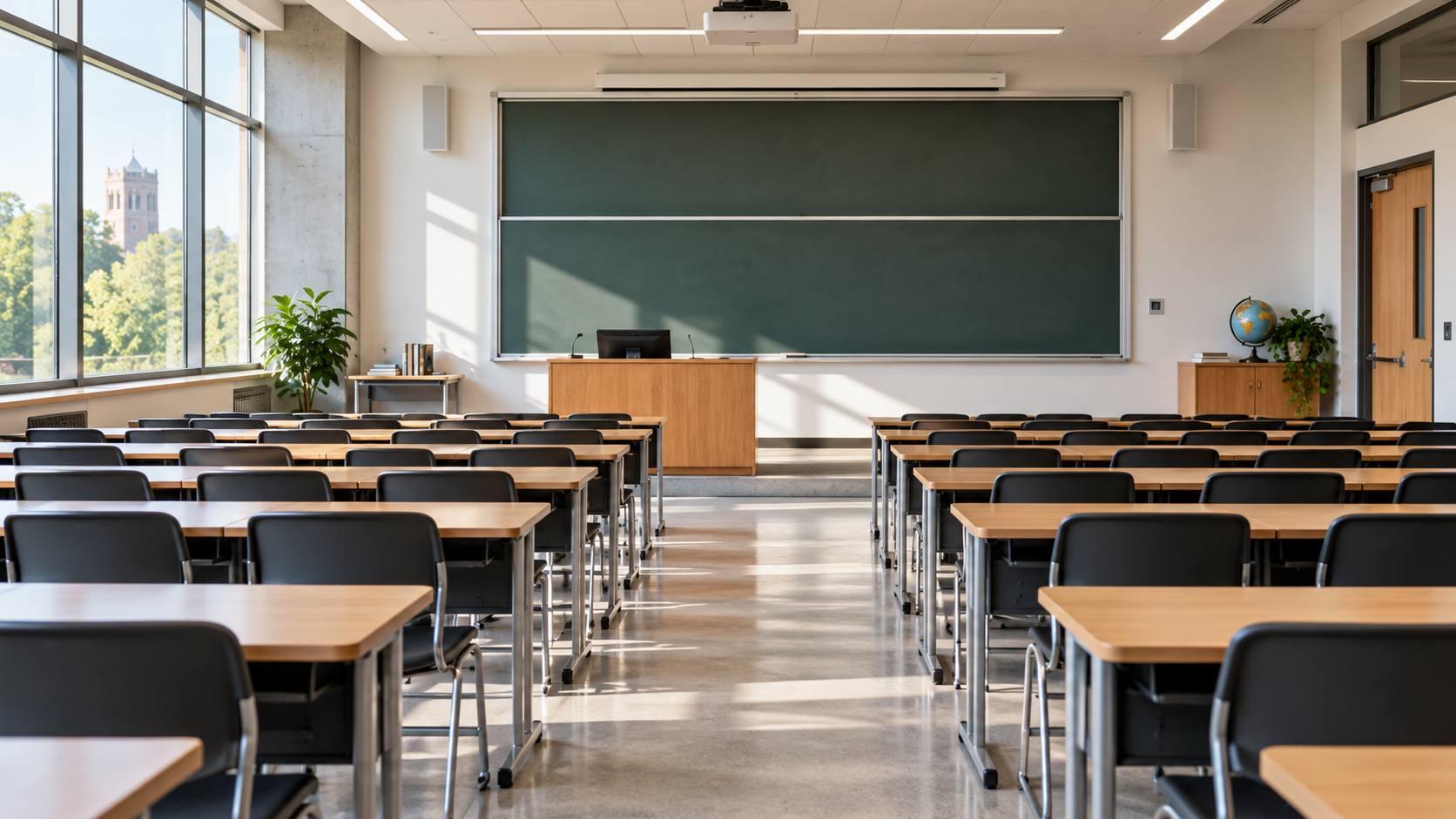
The physical and organizational structure of educational institutions conveys a myriad of implicit messages. Consider the daily schedule: fixed start and end times, designated breaks, and transitions between subjects. These routines, while seemingly practical, instill lessons about punctuality, discipline, and the segmentation of knowledge. Classrooms themselves, with their typical arrangement of desks facing a teacher, can implicitly reinforce notions of authority, individual work, and a unidirectional flow of information. Conversely, flexible learning spaces or collaborative group setups might subtly encourage teamwork, self-direction, and peer interaction. Even the rules governing student conduct-from dress codes to communication protocols-transmit values about conformity, respect, and social order. These structural elements, though rarely explicitly taught, profoundly influence a student's understanding of how systems operate and their role within them.
Assessment's Implicit Messages
Assessment methods, beyond measuring academic achievement, serve as powerful indicators of what an educational system truly values. If exams primarily test rote memorization of facts, the silent curriculum suggests that recall is paramount, potentially overshadowing critical thinking or creative problem-solving. Conversely, assessments that emphasize project-based learning, collaborative tasks, or open-ended inquiry signal that skills like innovation, teamwork, and analytical reasoning are highly regarded. The emphasis on individual grades versus group evaluations, or the weight given to standardized tests versus portfolio assessments, all contribute to this implicit messaging. Students learn not just what material to study, but also what types of intellectual engagement are deemed most important for success. This can shape their approach to learning, their study habits, and even their self-perception as learners.
Social Dynamics and the Learning Environment
Beyond formal instruction and assessment, the social environment of a school or university is a potent source of the silent curriculum. Interactions with peers, educators, and administrative staff provide continuous lessons in social dynamics. Students learn about cooperation, competition, empathy, and conflict resolution through their daily engagements. The informal hierarchies that emerge among student groups, the ways in which diversity is acknowledged or overlooked, and the general atmosphere of inclusivity or exclusivity all contribute to a student's social education. How educators respond to questions, manage disagreements, or offer support can implicitly teach lessons about fairness, resilience, and the value of different perspectives. These social lessons are fundamental in shaping a student's identity, their sense of belonging, and their ability to navigate complex social structures outside the classroom.
Cultivating Adaptability and Critical Awareness
Recognizing the silent curriculum is the first step toward understanding its influence and, where necessary, shaping it more intentionally. For educators, this means critically examining not just what is taught, but how it is taught, and what implicit messages might be conveyed by pedagogical choices, classroom management, and institutional policies. Are the structures in place inadvertently promoting passive learning when active engagement is desired? Are assessment methods unintentionally discouraging creativity? For learners, developing an awareness of the silent curriculum can foster critical thinking about the educational process itself. It empowers them to question underlying assumptions, to discern between explicit instruction and implicit expectations, and to adapt to diverse learning environments. This critical awareness is a valuable skill, enabling individuals to navigate complex systems and extract meaningful lessons, even from unstated cues. The ability to interpret and adapt to these unspoken elements is a foundational skill for lifelong learning and engagement in any societal context.
In conclusion, while the formal curriculum provides the explicit framework for education, the silent curriculum profoundly shapes the overall learning experience. From the routines of the school day to the subtle messages embedded in assessment and social interactions, these unstated elements contribute significantly to a student's development. By acknowledging and critically engaging with the silent curriculum, educators can create more intentional and inclusive learning environments, and learners can develop a deeper understanding of the forces that shape their educational journey, fostering greater adaptability and critical awareness in an ever-evolving world. Understanding these dynamics is essential for anyone seeking to comprehend the full scope of education's impact. (UNESCO provides broad insights into education systems globally, highlighting the diverse approaches and underlying philosophies that shape learning experiences worldwide.)
References
- Education Systems Evergreen | education-systems-evergreen · primary