The Unseen Curriculum: Unpacking the Hidden Lessons in Education
Explore the concept of the unseen curriculum, which encompasses the unspoken rules, values, and social norms students learn within educational environments, shaping their development beyond academic subjects.

Education is often perceived as the formal acquisition of knowledge and skills through structured curricula and explicit instruction. From mathematics to literature, science to history, schools and universities meticulously design programs to impart specific academic competencies. However, beneath this visible layer of learning lies a powerful, often unacknowledged dimension: the unseen curriculum. This implicit curriculum encompasses the myriad of lessons students absorb without them being formally taught or explicitly stated. It includes the unspoken rules, social expectations, values, attitudes, and behaviors that are transmitted through the school environment, daily routines, interactions, and the overall culture of an educational institution. Understanding this unseen curriculum is crucial, as it profoundly shapes a learner's development, influencing not only their academic trajectory but also their social understanding, personal values, and preparedness for life beyond the classroom. It operates continuously, shaping how students perceive authority, interact with peers, approach problem-solving, and understand their place within a broader community.
Manifestations of the Unseen Curriculum
The unseen curriculum is not a singular entity but a complex interplay of various elements within an educational setting. It manifests in numerous ways, subtly influencing learners from their earliest experiences in school through higher education.
School Environment and Culture
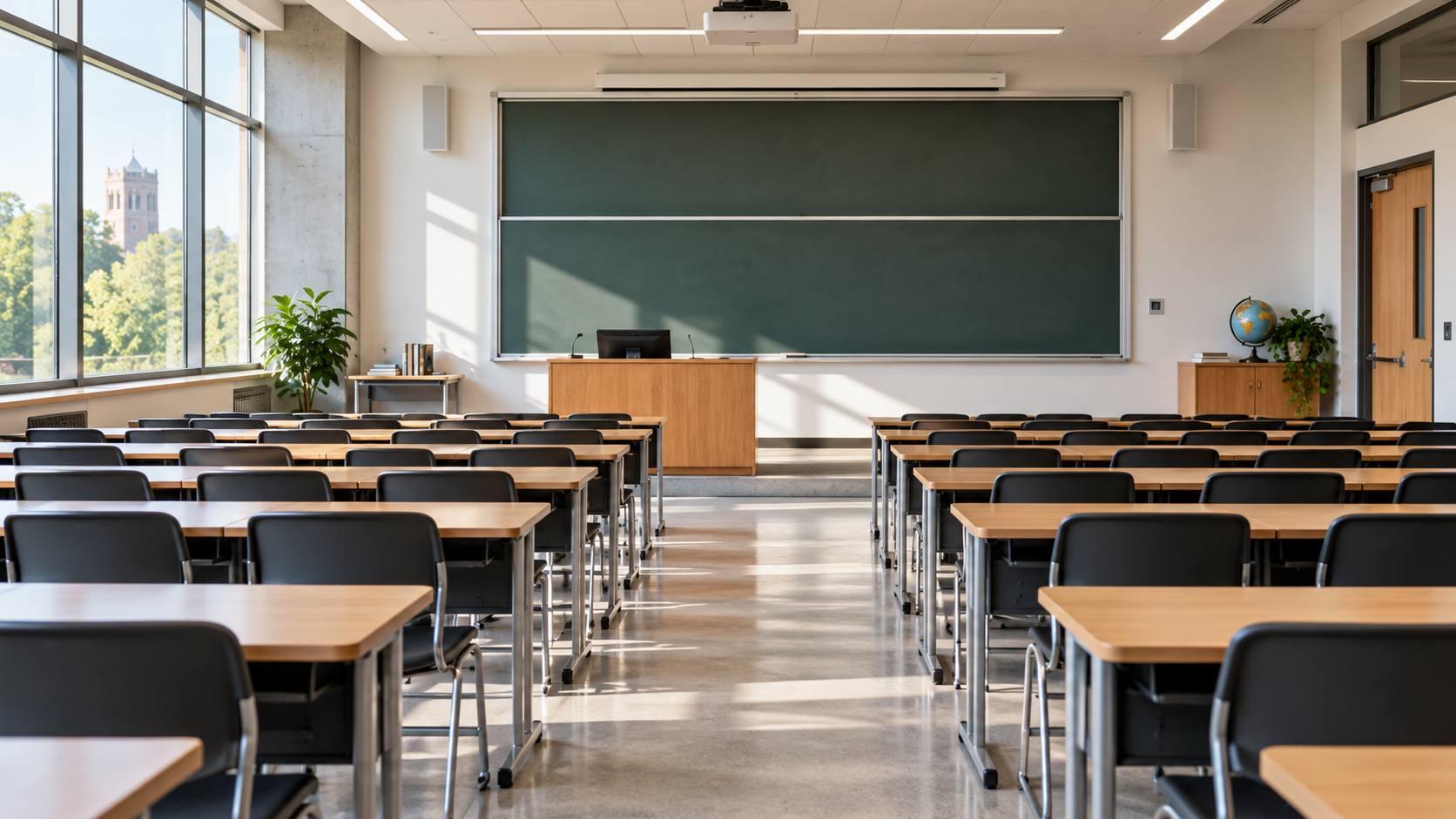
The physical layout of a classroom, the school's disciplinary policies, and its daily operational routines all contribute to the unseen curriculum. For instance, a classroom arranged in rows might implicitly encourage individual work and deference to the teacher, whereas a setup with clusters of desks might foster collaboration and peer interaction. School policies on attendance, dress codes, or even the allocation of resources for different subjects can convey messages about what is valued. The very culture of a school-whether it prioritizes competition or cooperation, conformity or individual expression, silence or active discussion-shapes students' understanding of appropriate behavior and success. How conflicts are resolved, how achievements are celebrated, and how diversity is acknowledged (or overlooked) all provide powerful, implicit lessons about societal norms and personal values. These elements collectively teach students about social hierarchies, expected conduct, and the underlying ethos of their learning community.
Pedagogical Approaches and Interactions
Beyond the explicit content delivered, the methods teachers employ in their instruction and their interactions with students are significant carriers of the unseen curriculum. A teacher who consistently encourages questions and critical thinking, even when it challenges established ideas, implicitly teaches the value of intellectual curiosity and independent thought. Conversely, an environment where rote memorization is heavily rewarded might inadvertently de-emphasize deeper conceptual understanding or creative problem-solving. The way feedback is given, how mistakes are addressed, and how students are encouraged (or discouraged) to participate all contribute to students' self-perception, their resilience, and their approach to learning challenges. Furthermore, the subtle cues teachers give regarding gender roles, socio-economic status, or cultural backgrounds can transmit powerful messages, either reinforcing or challenging existing societal stereotypes. Peer interactions, facilitated or observed by educators, also play a vital role, teaching students about negotiation, empathy, social dynamics, and group belonging.
Societal Influences and Values
Educational institutions do not exist in a vacuum; they are integral parts of broader societies and reflect prevailing cultural values and expectations. The unseen curriculum can, therefore, be influenced by the societal context in which a school operates. For example, a society that highly values punctuality and efficiency will likely see these traits reinforced through school routines and expectations. Similarly, cultural norms regarding respect for elders, community responsibility, or individual achievement can be subtly embedded in school practices and teacher expectations. The types of stories or historical narratives emphasized in a curriculum, even when formally taught, can carry implicit messages about national identity, heroism, or social justice. These societal influences, filtering through the school system, help to socialize students into their respective cultures, preparing them to participate in civic life and the workforce within those specific frameworks. The UNESCO framework for education often highlights the importance of education systems in transmitting cultural values and preparing citizens for their roles in society, implicitly acknowledging this broader function beyond mere academic instruction. (education-systems-evergreen, "Education Systems Evergreen", https://www.unesco.org/en/education)
Impact and Significance
The pervasive nature of the unseen curriculum means its impact on learners is profound and far-reaching. It shapes individuals in ways that are often as significant, if not more so, than the explicit academic content they master.
Shaping Holistic Development
The unseen curriculum plays a critical role in a student's holistic development. It is instrumental in cultivating social skills, such as cooperation, conflict resolution, and empathy, which are essential for navigating personal and professional relationships. It fosters character traits like resilience, perseverance, and integrity, often through the experience of navigating challenges and adhering to institutional expectations. Students learn about responsibility, self-discipline, and how to manage their time and resources effectively, not just through explicit lessons but by consistently engaging with school routines and demands. These non-academic competencies are often highly valued in adult life and contribute significantly to an individual's overall well-being and success.
Implications for Equity and Access
The unseen curriculum can have significant implications for educational equity and access. When the implicit norms and values of a school align closely with a student's home environment, that student may find it easier to adapt and succeed. Conversely, students from different cultural backgrounds or socio-economic strata might encounter a mismatch between home and school expectations, potentially leading to misunderstandings, disengagement, or feelings of alienation. For example, if a school implicitly rewards a particular communication style or a specific approach to problem-solving that is not universally shared, it could inadvertently disadvantage some learners. Recognizing and addressing these potential disparities within the unseen curriculum is vital for creating truly inclusive educational environments that support all students, regardless of their background.
Preparing for Life Beyond School
Ultimately, the unseen curriculum prepares individuals for life beyond the confines of formal education. The ability to understand unspoken rules, adapt to different social contexts, work effectively in teams, and navigate complex organizational structures are all skills largely honed through implicit learning in educational settings. These are the “soft skills” that employers often seek and that individuals need to thrive in a dynamic world. By internalizing the values and norms transmitted through the unseen curriculum, students develop a framework for understanding and participating in society, contributing to civic life, and engaging in lifelong learning. For educators, a conscious awareness of the unseen curriculum allows for more intentional design of learning environments that foster positive values and essential life skills, ensuring that education serves its broader purpose of preparing well-rounded, adaptable individuals.
Conclusion
The unseen curriculum is a powerful, ever-present force in education, operating alongside and often complementing the explicit academic program. It is a testament to the idea that learning extends far beyond textbooks and lectures, encompassing the entire lived experience within an educational institution. By acknowledging its existence, understanding its manifestations, and recognizing its profound impact, educators, policymakers, and learners themselves can gain a more comprehensive perspective on the true scope of education. This awareness empowers stakeholders to critically evaluate the implicit messages being conveyed and to work towards creating learning environments that intentionally cultivate positive values, essential life skills, and a sense of belonging for all students.
References
- Education Systems Evergreen | education-systems-evergreen · primary