Seasonal Eating: A Path to Nutrient‑Rich, Resilient Food Systems
Seasonal eating connects consumers to local produce, boosts nutrient intake, and supports resilient supply chains, offering a sustainable model for modern food systems.
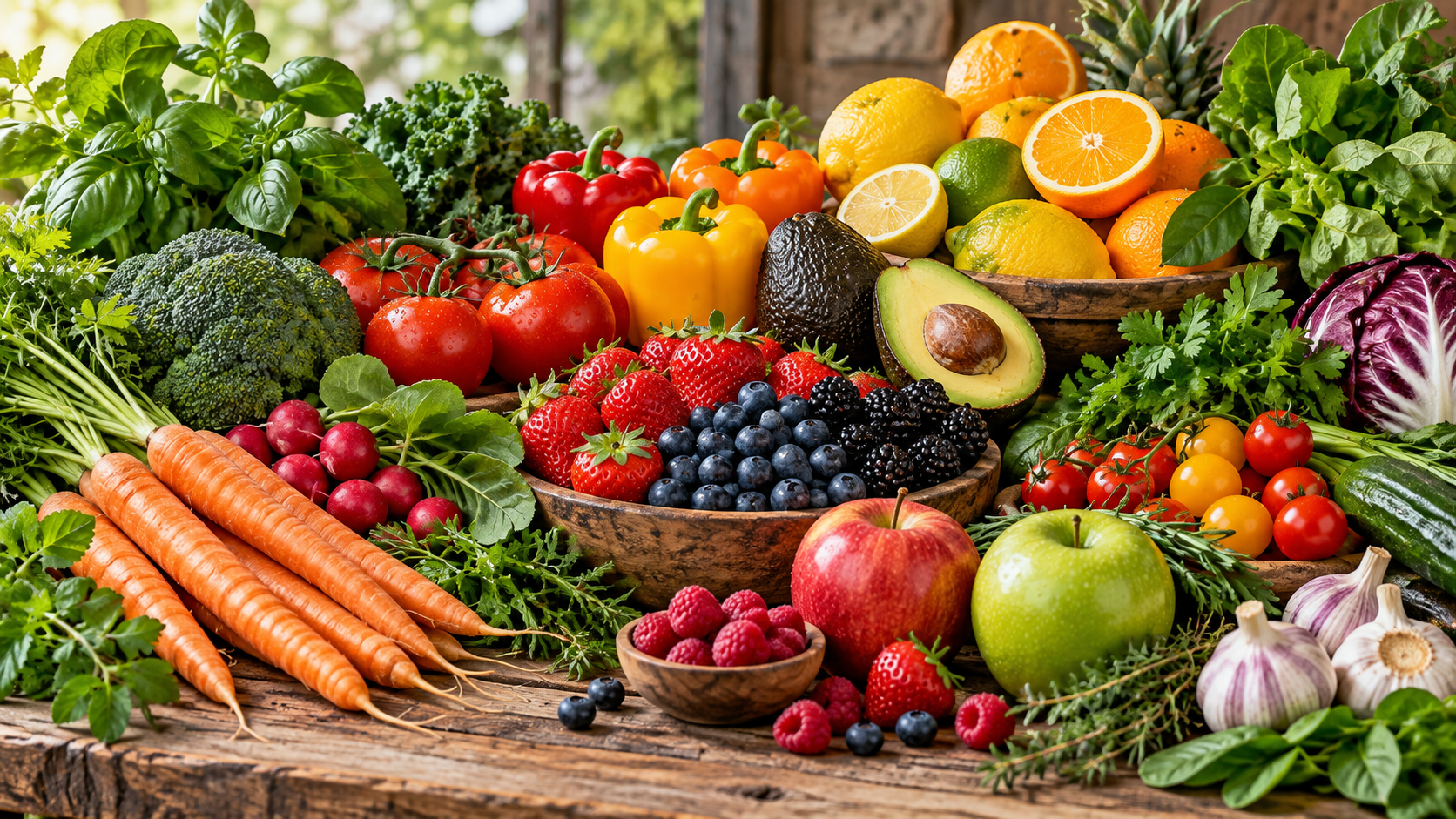
What Is Seasonal Eating?
Seasonal eating refers to choosing foods that are harvested at their natural peak during specific times of the year. By aligning meals with the calendar, people can enjoy produce that is fresher, often more flavourful, and typically requires fewer interventions such as long‑haul transport or artificial lighting.
Nutrient Density and Seasonal Variety
When fruits and vegetables are consumed close to the time they are picked, the concentration of vitamins, minerals and phytochemicals is usually higher. The natural rhythm of plant growth means that a tomato harvested in midsummer contains more lycopene than one that has been stored for months. Eating a range of seasonal items also encourages a broader intake of nutrients, because no single crop can supply all the vitamins and minerals the body needs.
Supply Chain Impacts
Seasonal eating can reduce the environmental footprint of food transport. Locally harvested produce often travels shorter distances, cutting greenhouse‑gas emissions associated with refrigeration and long‑haul logistics. Moreover, when demand is matched to the local harvest, farmers can plan crop rotations and soil management more effectively, which supports soil health and biodiversity.
Consumer Habits and Food Culture
Adopting a seasonal approach changes the way people shop and cook. Grocery stores may offer a rotating selection, and markets can become hubs of community knowledge. Recipes shift to highlight ingredients that are at their best, encouraging creativity and reducing reliance on processed foods that are designed to last year‑round.
Practical Tips for Consumers
- Check the calendar of your local produce. Many regions publish seasonal guides that show which fruits, vegetables and herbs are in peak season.
- Visit farmers’ markets, community‑supported agriculture groups or local co‑ops to find fresh, in‑season items.
- Plan menus around what is available, and experiment with new recipes that feature those ingredients.
- Store produce properly to extend its shelf life; for example, keep leafy greens in a damp paper towel inside the refrigerator, and root vegetables in a cool, dry place.
The Broader Picture
Seasonal eating is part of a wider movement toward food sovereignty, where communities have control over their food choices and supply chains. By prioritising local, seasonal foods, consumers can help create more resilient systems that are less dependent on global supply networks, which can be vulnerable to climate change, pandemics or geopolitical shifts. This approach also supports local economies, giving farmers a fairer share of the value chain.
Conclusion
Choosing foods that are in season offers tangible benefits for nutrition, the environment and community well‑being. While it may require a bit more planning, the rewards are a more vibrant diet, stronger local economies and a food system that can better withstand future challenges.
References
- Food Systems Evergreen | food-systems-evergreen · primary