The Unseen Language of Food Texture: Why Mouthfeel Matters Beyond Taste
Explore how the often-overlooked physical characteristics of food, known as texture or mouthfeel, profoundly influence our perception of flavor, satisfaction, and overall eating experience.
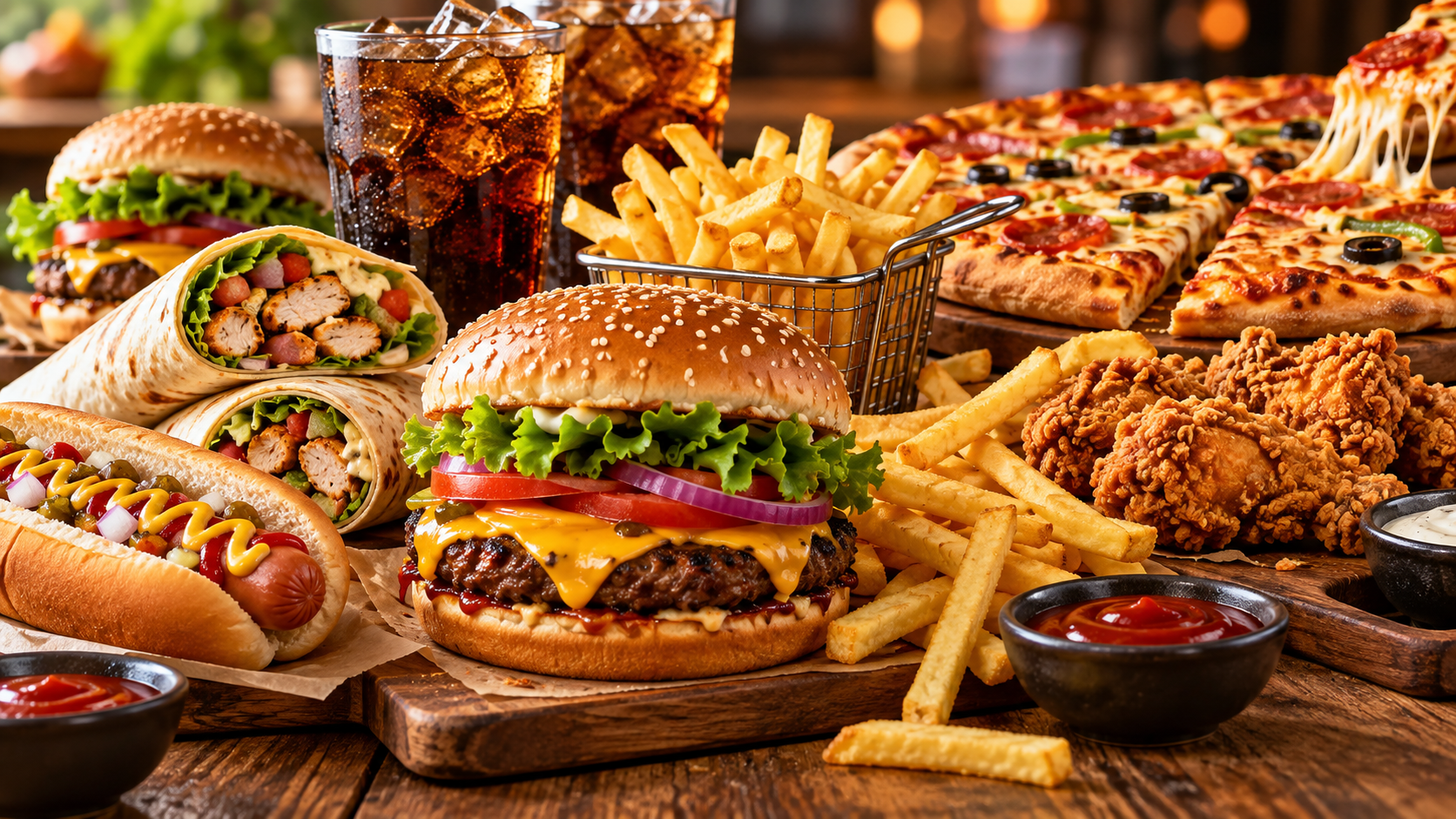
Understanding Food Texture: More Than Just a Feeling
Food is often discussed in terms of its taste, aroma, and visual appeal. Yet, an equally powerful, though often subconscious, element profoundly shapes our eating experience: texture, or mouthfeel. Texture refers to the physical characteristics of food perceived by our senses, primarily within the mouth. It encompasses a wide spectrum of sensations, ranging from the crisp snap of a fresh apple to the creamy melt of a rich sauce, the yielding chewiness of bread, or the brittle crunch of a cracker.
Unlike taste, which relies on chemical receptors on the tongue, texture is detected by mechanoreceptors, touch receptors, and proprioceptors throughout the mouth and jaw. These receptors sense pressure, friction, temperature, and even the resistance encountered when biting or chewing. This complex sensory input allows us to discern qualities like hardness, viscosity, elasticity, stickiness, and even the presence of particles. A food's texture is not static; it evolves as we chew, releasing different sensations and influencing how other sensory attributes, like flavor and aroma, are perceived. For example, a crisp vegetable might become softer as it's broken down, releasing more of its internal moisture and flavor compounds.
The Profound Impact of Texture on Flavor and Satiety
Texture is not merely an accompaniment to flavor; it is an integral part of its perception. The way food breaks down in the mouth directly influences how taste and aroma compounds are released and interact with our sensory receptors. A creamy soup, for instance, coats the tongue differently than a chunky stew, affecting the rate at which flavors are perceived. Similarly, the crunch of a toasted nut can enhance the perception of its inherent nuttiness by creating a distinct sonic experience and aiding in the release of volatile aromatic compounds. Without the expected texture, even familiar flavors can seem "off" or less appealing. Imagine a soft, mushy potato chip-the flavor might be present, but the absence of crispness significantly diminishes the overall enjoyment.
Beyond flavor, texture plays a crucial role in satiety and satisfaction. Foods with varied and complex textures often require more chewing, which can slow down eating and allow the body more time to register fullness signals. The tactile satisfaction derived from a particular texture-whether it's the chewiness of a steak or the smoothness of a custard-can contribute significantly to the overall enjoyment of a meal, potentially influencing how much we consume. A meal that lacks textural diversity might feel less satisfying, even if the flavors are appealing, prompting a desire for something "more" or "different."
Manipulating Texture: From Ingredients to Culinary Practice
The textures we experience in food are a result of both the inherent properties of ingredients and the transformations they undergo through various processes.
Ingredients as Textural Foundations: Every raw ingredient brings its own textural blueprint. The cell walls of plants provide crispness and structure, while starches contribute to thickness and chewiness. Proteins, like those in meat or eggs, can create firmness, tenderness, or elasticity depending on their structure and how they are cooked. Fats, whether solid or liquid, impart richness, smoothness, and lubricity. Understanding these foundational properties is the first step in mastering textural manipulation. For example, a high-pectin fruit will yield a firmer jam, while a lean cut of meat will behave differently under heat than a marbled one.
Culinary Techniques as Textural Architects: Chefs and home cooks employ a vast array of techniques specifically to alter and enhance texture.
- Heat Application: Roasting vegetables can caramelize their surfaces and soften their interiors, creating a desirable contrast. Braising tough cuts of meat breaks down connective tissues, transforming them into tender, fall-apart dishes. Frying creates crisp exteriors through the Maillard reaction and dehydration.
- Mechanical Action: Whipping cream or egg whites incorporates air, creating light, airy foams. Kneading dough develops gluten, leading to chewy bread. Blending fruits and vegetables can create smooth purees or chunky sauces.
- Chemical and Physical Additions: Gelling agents like gelatin or agar-agar transform liquids into solid gels. Emulsifiers, such as egg yolks, help combine oil and water to create smooth, stable sauces like mayonnaise. Leavening agents introduce gas, making baked goods light and airy. Freezing can crystallize water, altering the structure of many foods.
Food Systems and Processing for Desired Textures: Beyond the kitchen, industrial food systems also heavily influence texture, often for consistency, shelf stability, or specific consumer preferences. Processes like homogenization in dairy products create a uniformly smooth texture by breaking down fat globules. Extrusion, used for many snack foods and pastas, shapes ingredients under high pressure and heat, resulting in specific densities and mouthfeels. The addition of hydrocolloids, gums, and starches in processed foods is common practice to achieve desired viscosities, gelling properties, or to prevent syneresis (water separation). These methods ensure that products maintain their expected texture from the manufacturing plant to the consumer's plate, fulfilling an often-unspoken expectation about how certain foods "should" feel.
Ultimately, texture is a silent language of food, communicating freshness, quality, and satisfaction. By recognizing its profound influence, we can deepen our appreciation for what we eat and make more informed choices about how we prepare and consume food.
References
- Food Systems Evergreen | food-systems-evergreen · primary