The Evolving Plate: How Human Ingenuity Transformed Raw Ingredients into Modern Meals
Explore the historical journey of food transformation, from ancient preservation techniques to complex modern manufacturing, and its profound impact on what we eat today.
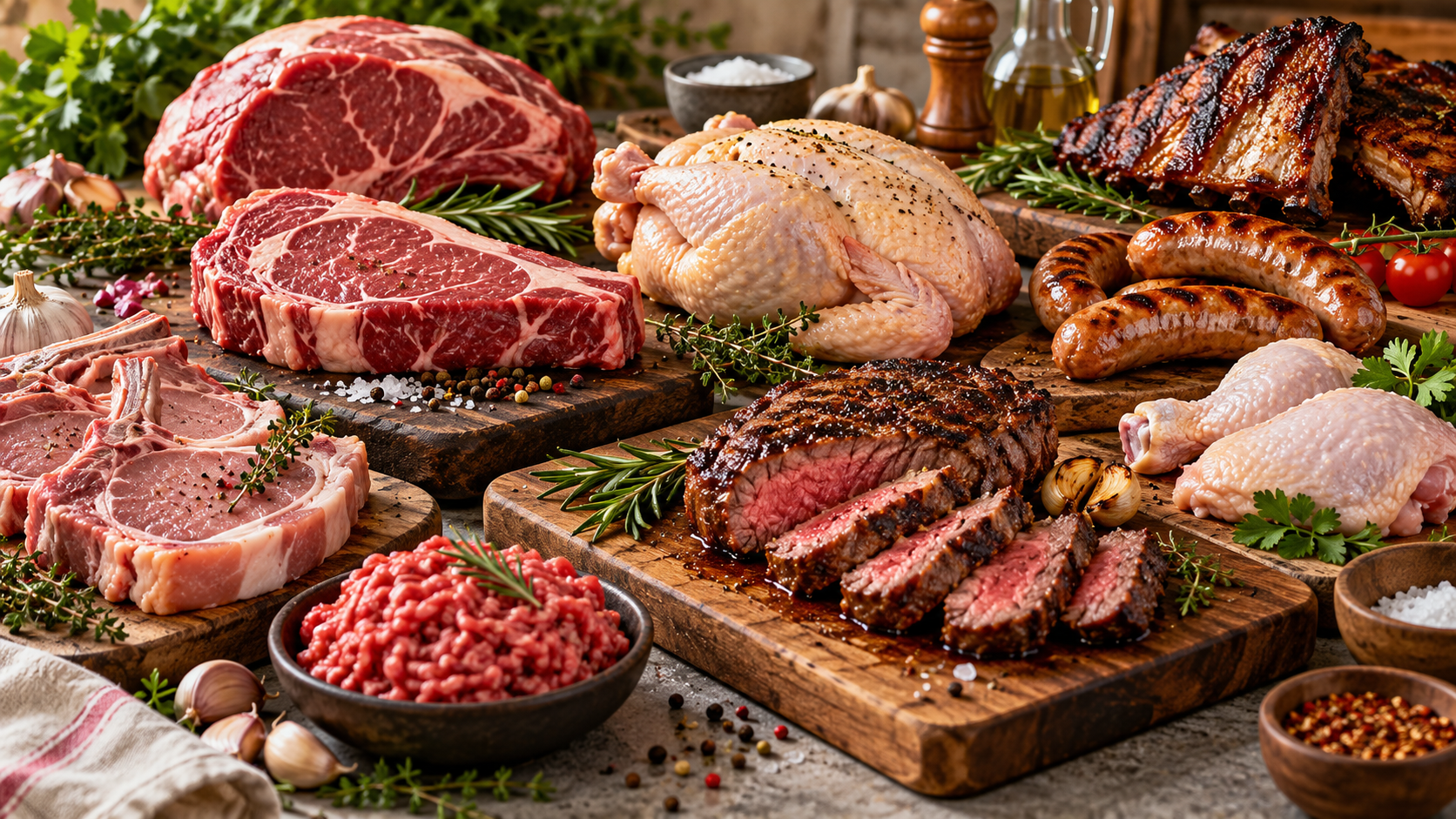
Food, at its most fundamental, begins as raw ingredients. Yet, for much of human history, and certainly in modern times, food is rarely consumed in its pristine, unaltered state. From the moment our ancestors first applied fire to a piece of meat or dried berries for later consumption, a profound journey of transformation began. This journey, driven by necessity, innovation, and an evolving understanding of nutrition and taste, has fundamentally reshaped our relationship with what we eat. The desire to make food safer, more palatable, digestible, and available beyond its natural season has been a constant thread throughout human civilization. This explainer will trace the arc of food transformation, from the rudimentary methods that sustained early communities to the sophisticated industrial processes that define our contemporary food landscape, and consider how these changes have influenced our diets and culinary practices.
The Foundational Transformations: Safety, Preservation, and Palatability
Early human societies quickly learned that raw ingredients, while essential, had limitations. Many were indigestible, potentially harmful, or highly perishable. The discovery of fire marked a pivotal moment, enabling cooking techniques that not only made food safer by eliminating pathogens but also enhanced its flavor and nutrient availability. Cooking broke down tough fibers, denatured proteins, and made carbohydrates more accessible, expanding the range of edible plants and animals.
Beyond immediate consumption, the challenge of food scarcity between harvests or successful hunts spurred the development of preservation methods. Drying, often using sun and wind, allowed fruits, vegetables, and meats to be stored for extended periods. Salting, another ancient technique, drew out moisture and inhibited microbial growth, transforming fresh ingredients into staples like salted fish or cured meats. Fermentation, a process harnessing beneficial microorganisms, not only preserved foods but also often enhanced their flavor and nutritional profile, leading to products like cheese, yogurt, bread, and various fermented beverages. These foundational transformations were critical for survival, enabling communities to store surplus, withstand lean times, and explore new territories without being tethered to immediate food sources. They represent the earliest forms of "processing," driven by practical needs rather than industrial scale.
The Industrial Revolution and the Rise of Convenience
The advent of the Industrial Revolution brought about a dramatic shift in how food was produced, processed, and distributed. New technologies and scientific understanding allowed for preservation methods that went beyond traditional techniques, enabling food to be produced on a much larger scale and transported over greater distances. Canning, invented in the early 19th century, revolutionized food preservation by sealing food in airtight containers and sterilizing it with heat, allowing for unprecedented shelf stability. Freezing, pasteurization (for milk and other liquids), and later refrigeration, further extended the life of perishable goods, making a wider variety of foods available year-round, regardless of local growing seasons.
This era also saw the refinement of ingredients. Milling processes became more efficient, leading to highly refined flours. Sugar production became industrialized, making it more accessible. The extraction of oils and fats also became more sophisticated. These advancements facilitated the creation of new types of packaged foods, often designed for convenience and consistency. The shift from largely home-based food preparation to reliance on commercially produced goods began to accelerate, driven by changing lifestyles, urbanization, and the desire for time-saving solutions. This period laid the groundwork for the complex supply chains and manufacturing processes that characterize modern food systems, moving food from local farms to global markets.
Modern Food Systems: Ingredients, Engineering, and Consumer Culture
Today's food system represents the culmination of centuries of innovation, reaching an unprecedented level of complexity and sophistication. Modern food manufacturing often involves multiple stages of processing, combining various ingredients, many of which are themselves derived from other processed raw materials. Ingredients like emulsifiers, stabilizers, thickeners, and flavor enhancers play crucial roles in creating desired textures, extending shelf life, and ensuring consistent taste and appearance across batches. These functional ingredients allow for the creation of a vast array of products that would be impossible to make using traditional home cooking methods alone.
The global supply chain is a testament to this complexity. Raw materials might be sourced from one continent, processed into intermediate ingredients on another, and then assembled into a final product in yet another location, before being distributed worldwide. This intricate web is designed to deliver a diverse range of products to consumers efficiently and affordably.
Consumer culture has also evolved alongside these transformations. The demand for convenience, consistency, and novelty drives innovation in the food industry. Ready-to-eat meals, snack foods, and highly specialized products cater to diverse dietary preferences and busy lifestyles. While these advancements offer undeniable benefits in terms of accessibility and variety, they also prompt ongoing discussions about the balance between convenience, nutritional content, and the environmental impact of extensive processing and global distribution. Understanding this continuum of transformation, from a simple cooked meal to a multi-ingredient packaged product, is key to comprehending the modern plate and making informed choices within our dynamic food landscape.
References
- Food Systems Evergreen | food-systems-evergreen · primary