Before Adding More Salt, Try a Tiny Taste With Acid
A small side-by-side tasting can help you decide what a flat dish actually needs.
The soup tastes flat. You add salt, then more salt, and still feel that something is missing. Before changing the whole pot again, create a small test.
Compare two spoonfuls
The Exploratorium's seasoning material explores how taste and smell contribute to flavour. Here is an original kitchen exercise: put a little soup into two small bowls. Leave one unchanged and add a few drops of lemon juice or vinegar to the other.

Editorial image from Blogdel's food collection, used for illustration.
Taste both. You are not trying to make the soup obviously sour. You are checking whether a little acidity improves the balance. The answer can vary with the dish and your preferences.
Scale slowly
If you prefer the adjusted sample, add a small amount to the pot, stir and taste again. It is easier to add than to remove. If the sample becomes unpleasant, the main pot is still unchanged.
This is a flavour exercise, not a way to make unsafe food safe or erase excess salt chemically. It replaces a blind correction with an observable comparison. The useful kitchen skill is learning to ask which adjustment improves this particular dish instead of reaching for the same jar every time something tastes incomplete.
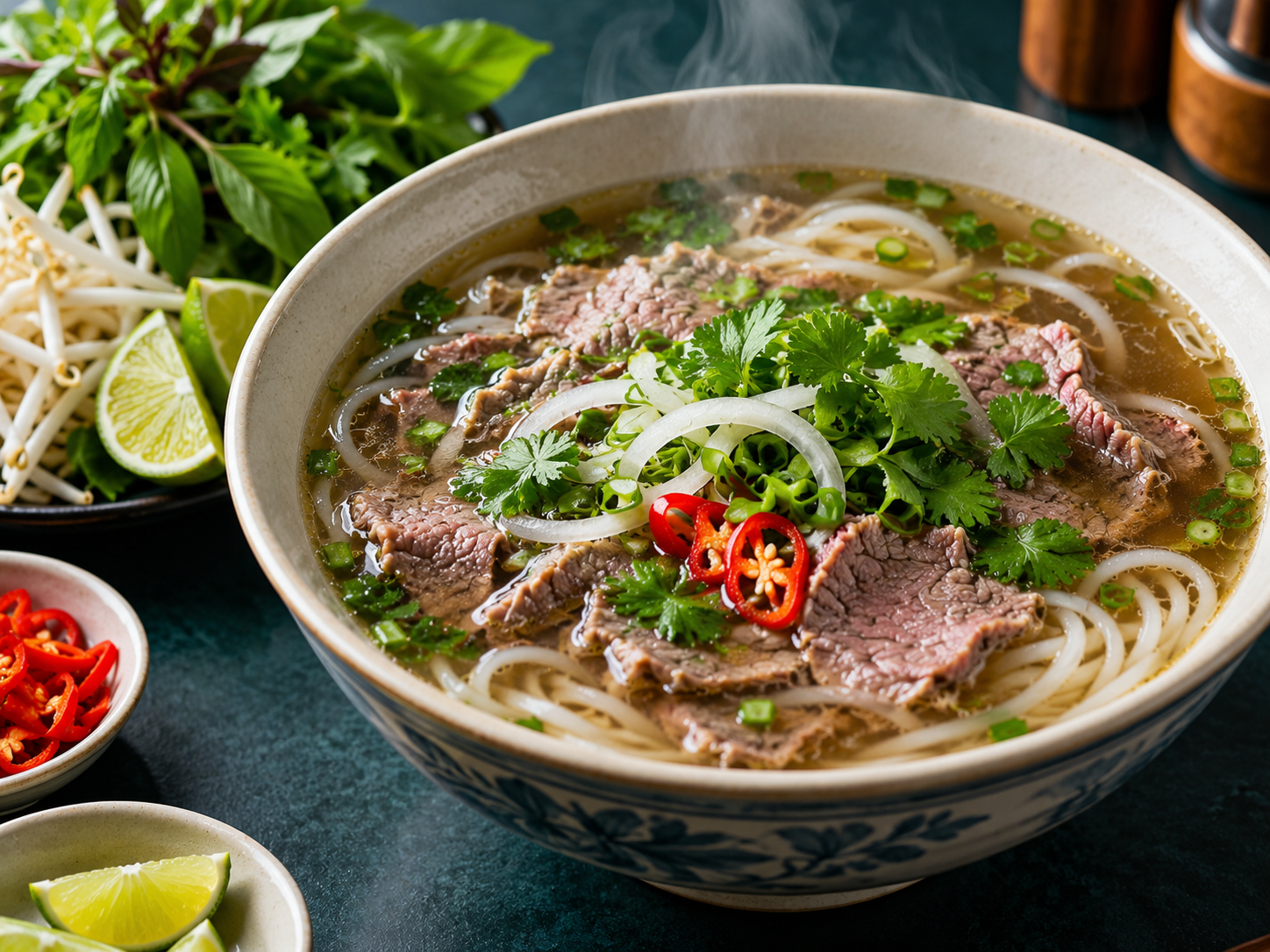
Editorial image from Blogdel's food collection, used for illustration.
Sources and further reading
References
- Science of Cooking: seasoning | Exploratorium · secondary