Beyond the Wrapper: Unpacking the Essential Role of Food Packaging
Food packaging is a complex and often-overlooked system designed to protect, preserve, and inform, playing a critical role in our global food supply chain, consumer experience, and environmental footprint.
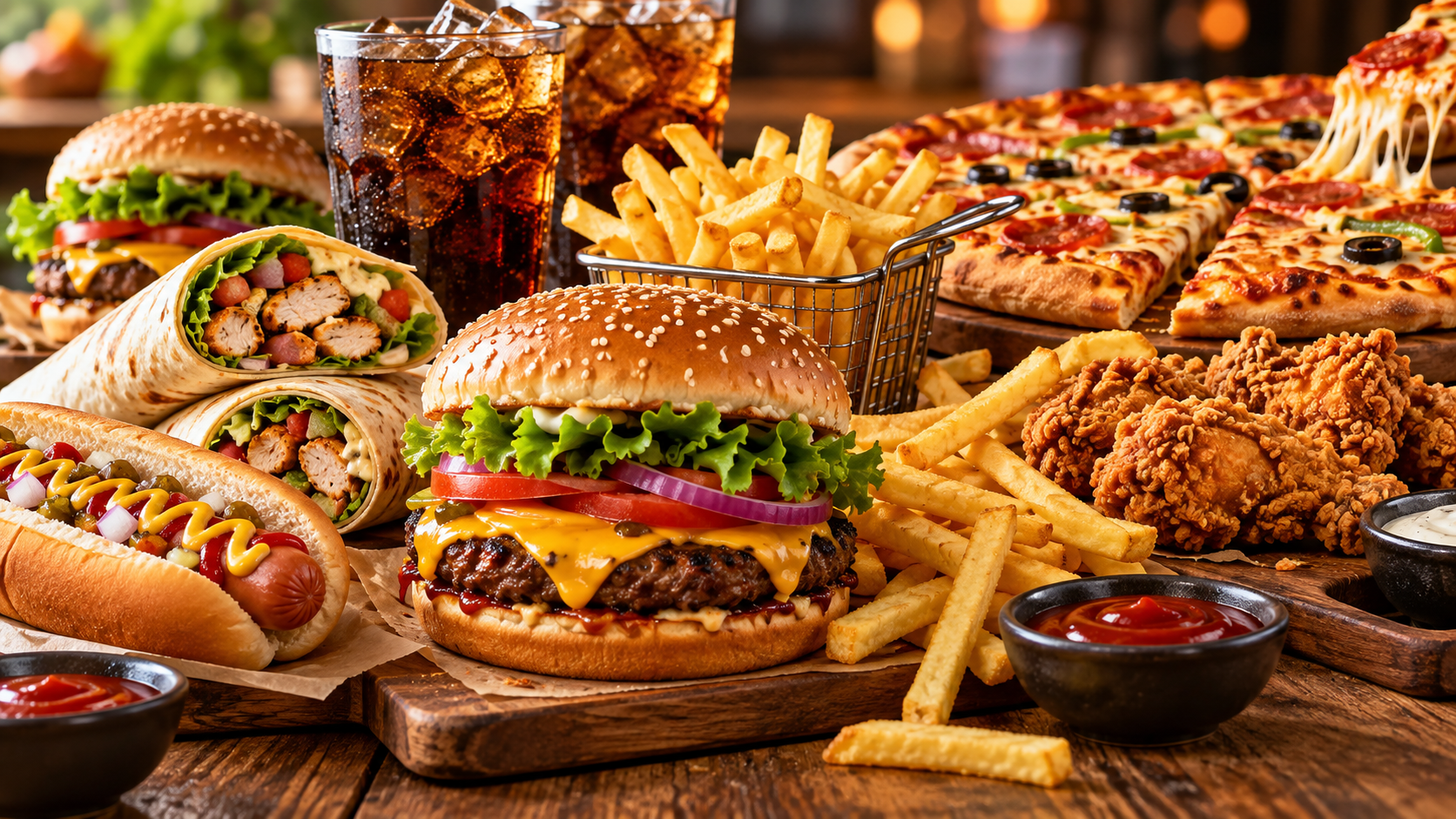
Food packaging is an omnipresent yet often unexamined element of our daily lives. From the moment food leaves the farm or production facility until it reaches our tables, packaging plays a silent but crucial role. Far more than just a container, it is a sophisticated system integral to food safety, preservation, logistics, and consumer interaction. Understanding its multifaceted functions reveals how deeply intertwined it is with our modern food systems and the challenges of sustainability.
The Primary Functions of Packaging
At its core, food packaging serves several vital purposes that extend the life and ensure the safety of our food.
Protection: Packaging acts as a primary barrier, shielding food from physical damage during transport and handling. It prevents bruising, crushing, and contamination from external elements like dirt, dust, and microorganisms. This physical protection is essential for maintaining the quality and appearance of perishable goods.
Preservation: One of packaging's most critical roles is to extend shelf life. It achieves this by creating a controlled environment around the food. Barrier properties prevent moisture loss or gain, oxygen ingress (which can cause spoilage and rancidity), and light exposure (which can degrade nutrients and flavor). Modified atmosphere packaging (MAP) actively alters the gas composition inside the package to further slow down spoilage processes, particularly for fresh produce and meats.
Containment: Simple as it may seem, packaging holds the food product together, especially liquids, powders, and small items, making them easy to transport, store, and consume. Without effective containment, many products would be impossible to distribute efficiently.
Information and Marketing: Packaging serves as a crucial communication tool. It carries essential information such as ingredients, nutritional facts, allergy warnings, cooking instructions, expiration dates, and brand messaging. This transparency empowers consumers to make informed choices and ensures food safety compliance. Beyond practical information, packaging design plays a significant role in marketing, attracting consumers and conveying brand identity.
Materials and Innovation
The materials used in food packaging are diverse, each chosen for specific properties that suit the product it contains.
Plastics: Polyethylene terephthalate (PET), high-density polyethylene (HDPE), polyvinyl chloride (PVC), low-density polyethylene (LDPE), polypropylene (PP), and polystyrene (PS) are ubiquitous due to their versatility, light weight, durability, and cost-effectiveness. They offer excellent barrier properties and can be molded into various shapes.
Glass: Valued for its inertness, impermeability, and ability to be recycled endlessly without loss of quality, glass is ideal for products like beverages, sauces, and preserves where purity and taste preservation are paramount.
Metals: Aluminum and steel are used for cans and foils, providing robust protection against light, oxygen, and moisture. They are excellent for long-term storage of canned goods and beverages, and both are highly recyclable.
Paper and Paperboard: Often used for dry goods, cartons, and secondary packaging, paper-based materials are renewable and increasingly popular for their recyclability and compostability, especially when combined with minimal coatings.
Innovation in packaging science is constantly evolving. Active packaging incorporates components that interact with the food or its environment to extend shelf life or improve safety, such as oxygen scavengers or antimicrobial agents. Smart packaging uses indicators or sensors to monitor food quality and freshness, providing real-time data to consumers and supply chain managers. Biodegradable and compostable materials are also gaining traction as alternatives to conventional plastics, addressing environmental concerns.
Packaging's Role in the Supply Chain
Packaging is a silent workhorse throughout the entire food supply chain, from farm to fork.
Logistics and Transport Efficiency: Standardized packaging allows for efficient stacking, handling, and transportation, optimizing space in trucks, ships, and warehouses. This efficiency reduces fuel consumption and logistical costs, making food more accessible and affordable.
Reducing Food Waste: By protecting food from spoilage and damage, packaging significantly reduces food waste at various stages of the supply chain. From farm to retail, and even in the consumer's home, appropriate packaging extends the usability of products, a critical factor in global food security (as highlighted by organizations like the FAO, which emphasizes efficient food systems). Without effective packaging, a substantial portion of perishable goods would never reach consumers in an edible state.
Consumer Convenience: Modern lifestyles demand convenience, and packaging delivers. Easy-to-open designs, portion control, microwave-safe containers, and resealable bags all contribute to a more convenient and user-friendly experience, fitting seamlessly into busy schedules.
Environmental Impact and Sustainability Challenges
Despite its undeniable benefits, food packaging faces significant environmental challenges, primarily related to waste generation and resource consumption. The proliferation of single-use plastics has led to concerns about landfill accumulation, ocean pollution, and microplastic contamination.
Waste Generation: A large percentage of packaging materials are discarded after a single use, contributing to massive waste streams. Recycling infrastructure varies widely globally, and many materials, especially complex multi-layer plastics, are difficult or impossible to recycle economically.
Resource Consumption: The production of packaging materials requires energy, water, and raw materials, including fossil fuels for plastics. This contributes to greenhouse gas emissions and resource depletion.
Efforts Towards a Circular Economy: The industry is actively pursuing solutions to mitigate these impacts. This includes designing for recyclability, increasing the use of recycled content, developing biodegradable and compostable alternatives, and exploring reusable packaging systems. The goal is to move towards a circular economy where materials are kept in use for as long as possible, reducing waste and reliance on virgin resources.
The Future of Food Packaging
The future of food packaging will be shaped by a confluence of technological innovation, consumer demand, and environmental imperatives. We can expect to see continued advancements in sustainable materials, with a focus on plant-based polymers, fungi-based packaging, and even edible films. Smart packaging will become more prevalent, offering enhanced food safety and reducing waste by providing real-time freshness indicators. Personalization and customization, enabled by digital printing and flexible manufacturing, will also play a role. Ultimately, the evolution of food packaging will continue to balance its essential functions with an increasing responsibility towards planetary health, fostering a more sustainable and resilient food system for all.
References
- Food Systems Evergreen | food-systems-evergreen · primary