Building Food Literacy: A Path to Resilient Food Systems
Food literacy empowers individuals to make informed choices, strengthening personal health and the resilience of food systems.
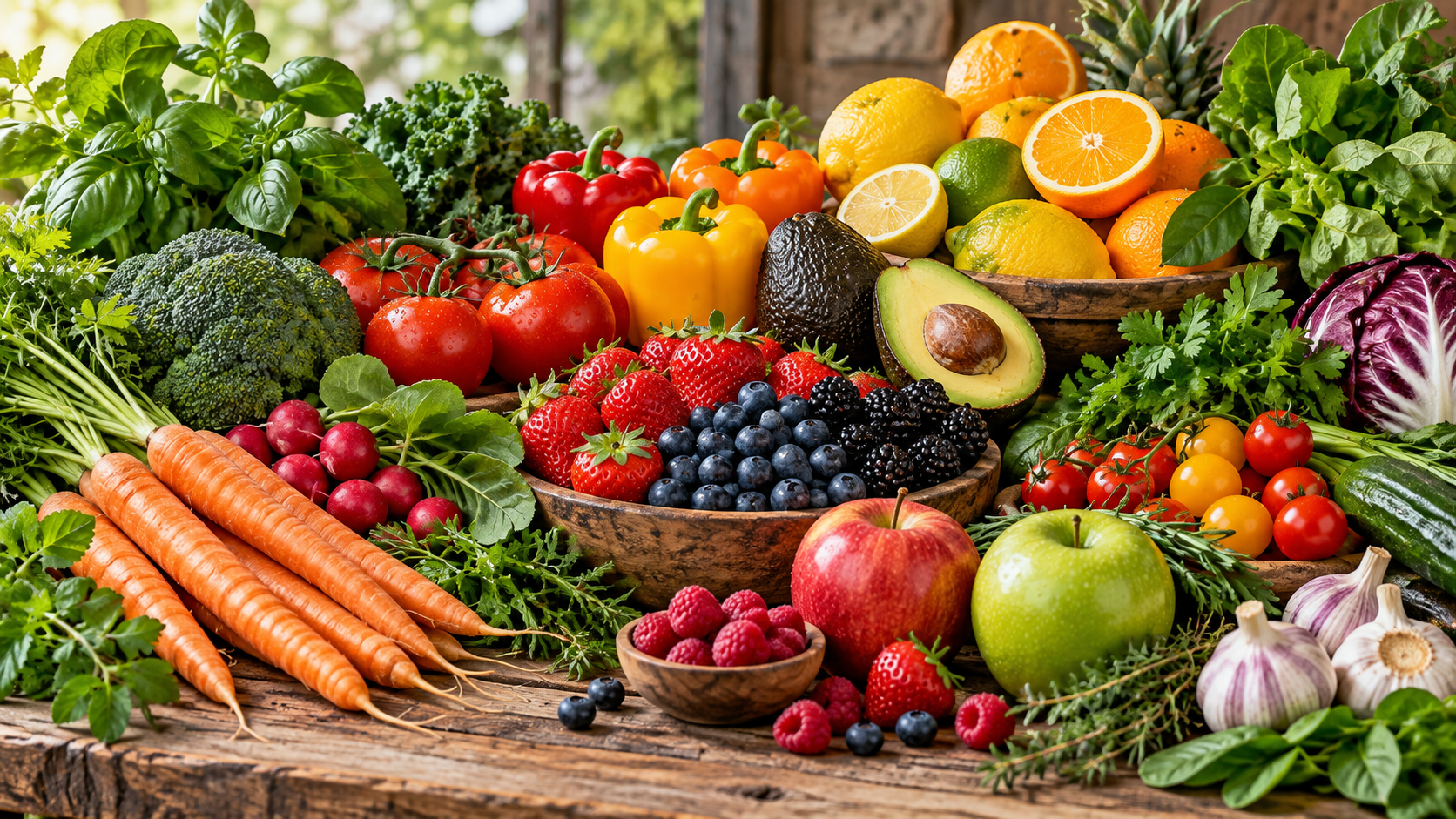
Understanding Food Literacy\n\nFood literacy is more than knowing what to eat; it encompasses the skills to make informed choices about nutrition, sourcing, preparation, and consumption. It includes the ability to read labels, understand portion sizes, and recognise the environmental impact of food choices. By fostering food literacy, individuals can navigate complex food systems and adopt healthier habits.\n\n## From Farm to Table: How Knowledge Shapes Choices\n\nThe journey of a food item begins on a farm, travels through processing, distribution, and retail, and finally reaches the kitchen. Each stage offers opportunities for learning. For example, understanding seasonal availability helps consumers choose produce that is fresher and more nutrient‑dense. Knowledge of food safety practices, such as proper washing and storage, reduces the risk of illness. When consumers are aware of how ingredients are sourced, they can support local producers and sustainable agriculture.\n\n## Empowering Communities Through Education\n\nEducation initiatives can bridge gaps between consumers and the food system. Community workshops that teach basic cooking techniques, nutrition fundamentals, and sustainable practices empower people to create balanced meals from affordable ingredients. Schools that incorporate hands‑on lessons about growing vegetables and preparing simple dishes instill lifelong skills. When entire neighbourhoods gain food literacy, the collective resilience of the community increases, making it better equipped to handle disruptions such as supply shortages or climate‑related crop failures.\n\n## The Ripple Effect on Food Systems\n\nWhen consumers act on knowledge, demand shifts toward healthier, sustainably produced foods. This demand signals to farmers and manufacturers to adapt practices that reduce waste, lower carbon footprints, and improve traceability. Transparent supply chains become more accountable, and policy makers can design interventions that support equitable access to nutritious foods. In this way, food literacy not only benefits individual health but also contributes to the overall robustness of the food system.\n\n## A Call to Action\n\nBuilding food literacy is a collective endeavour. Governments, educators, businesses, and civil society must collaborate to provide resources, training, and access to information. By investing in educational programmes, promoting transparent labeling, and encouraging local food initiatives, we can create a society that values informed choices and sustainable consumption.\n\nFAO provides comprehensive guidance on strengthening food systems and promoting nutrition. For more detailed resources, visit the FAO website.
References
- Food Systems Evergreen | food-systems-evergreen · primary
Topics
food literacy
food systems
nutrition
agriculture
supply chain
consumer education
culinary skills
sustainable food
resilience
community empowerment
FAO
food security
AI disclosure
This article was drafted by openai/gpt-oss-20b via groq from the sources listed above. Read with a critical eye. Read the full AI disclosure.