Fresh Herbs Can Be a Finishing Decision, Not a Shopping Obligation
A modest amount used deliberately can add aroma and contrast without turning dinner into a long ingredient hunt.
A recipe asks for three fresh herbs, and a simple dinner becomes a trip to several shops. You may not need to reproduce every garnish to make a satisfying meal.
Choose a clear role
The Exploratorium's seasoning resources connect flavour with taste and smell. For a finishing experiment, compare a spoonful of your dish with and without a small amount of a suitable fresh herb.

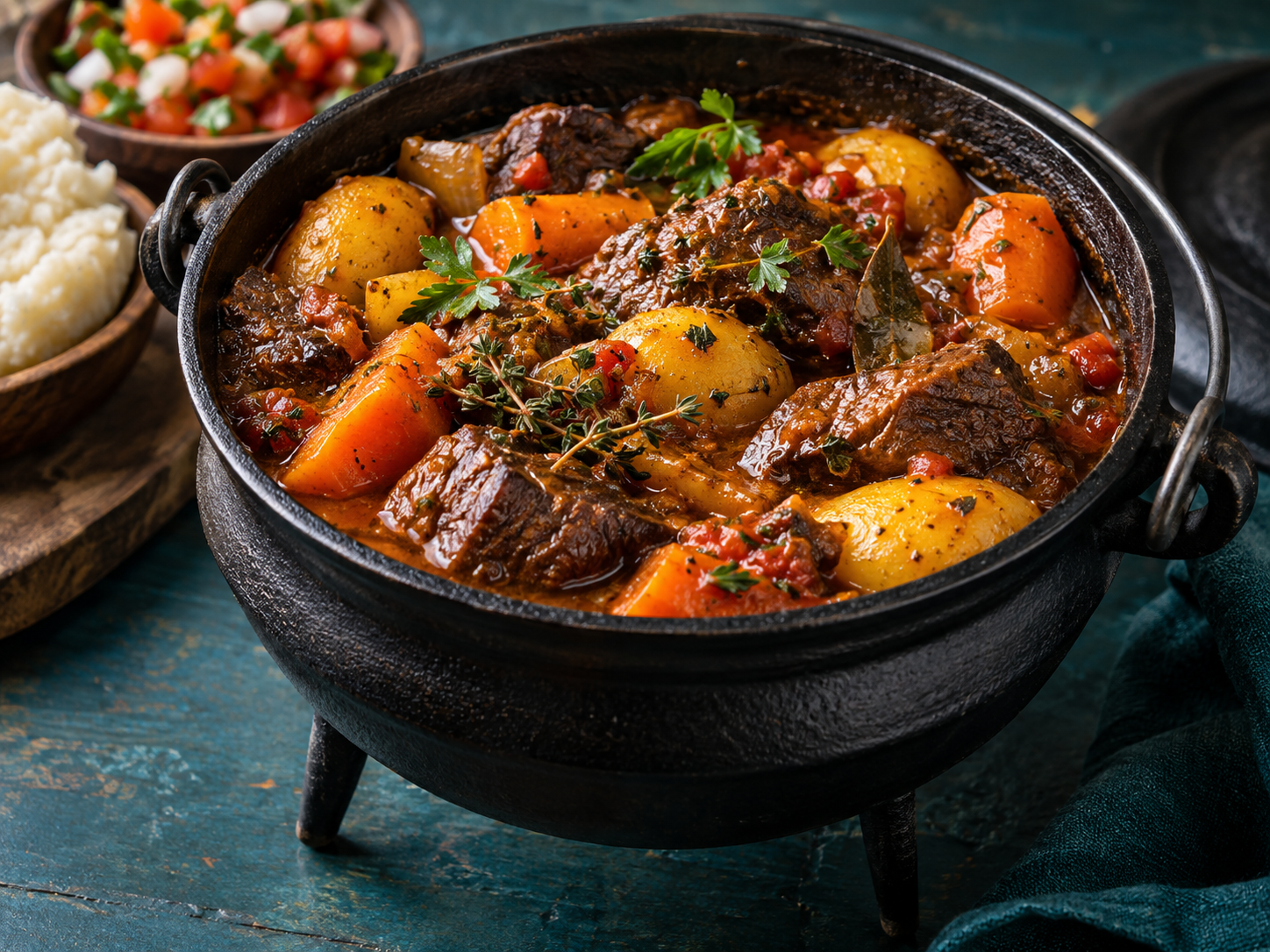
Editorial image from Blogdel's food collection, used for illustration.
Notice the aroma and whether the herb fits the other ingredients. More is not automatically better. A delicate dish can be overwhelmed by a strong addition, while another dish may welcome it.
Use what belongs, not whatever is green
Different herbs are not interchangeable in flavour or cooking behaviour. If you substitute, make it a considered choice and taste a small portion first. Wash produce appropriately and use ingredients you can identify confidently.
Keep an unused garnish optional when writing your own meal plan. The goal is a coherent plate, not a shopping list that proves you followed every flourish. A small final addition should earn its place through what it contributes. If the dish already works, leaving it alone is a legitimate cooking decision too.
Editorial image from Blogdel's food collection, used for illustration.
Sources and further reading
References
- Science of Cooking: seasoning | Exploratorium · secondary