From Field to Fork: The Intricate Dance of Food Logistics
This article explores the complex world of food logistics and transportation, revealing how efficient movement of ingredients and products influences global food availability, cost, and diversity on our plates.
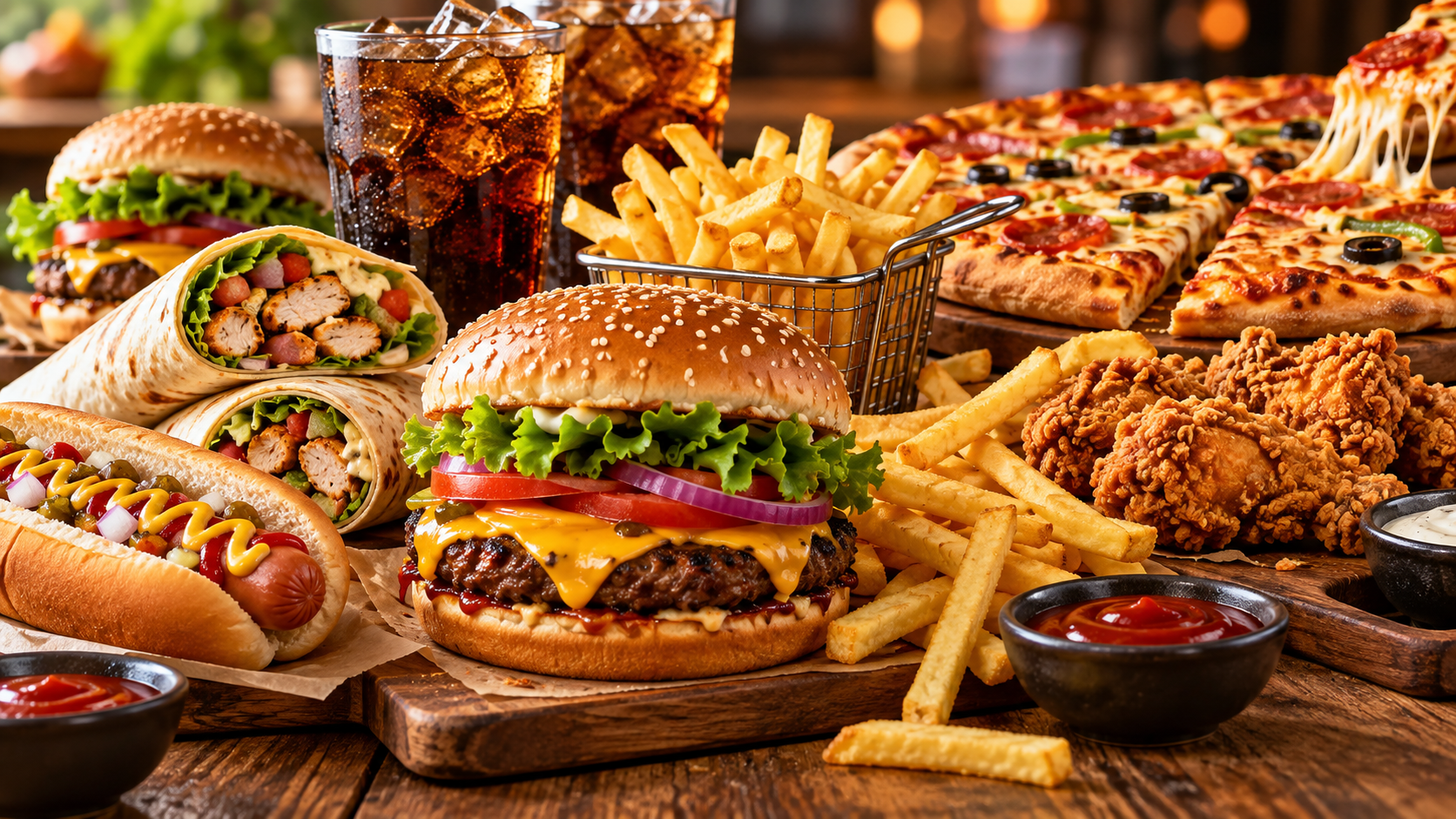
The journey a tomato takes from a sun-drenched field to your salad bowl is far more complex than a simple trip. Behind every meal lies a vast, intricate network of processes known as food logistics and transportation. This system, often invisible to the consumer, is fundamental to how food moves across continents and through local markets, ultimately shaping what we eat, when we eat it, and at what cost. Understanding these unseen threads reveals the profound impact that efficient, reliable movement has on global food systems and our daily culinary experiences.
The Foundations of Food Movement
At its core, food logistics is about getting the right product to the right place at the right time, in the right condition. This seemingly straightforward goal requires a sophisticated infrastructure and a coordinated effort across various modes of transport. From the moment food is harvested or produced, it enters a supply chain where every step is critical.
Road transportation, primarily through trucks, forms the backbone of local and regional food distribution. It offers flexibility and direct delivery, connecting farms to processing plants, warehouses, and retail outlets. For longer distances and bulk transport, rail freight becomes a more energy-efficient option, especially for staple goods like grains and packaged foods. Shipping by sea, utilizing vast cargo vessels, is indispensable for intercontinental trade, allowing diverse ingredients and products to travel thousands of miles to reach new markets. Air freight, while the fastest, is typically reserved for highly perishable or high-value items due to its higher cost and environmental footprint.
Beyond the vehicles themselves, the infrastructure supporting these movements is equally vital. Roads, railways, ports, and airports must be maintained and expanded to handle the ever-increasing volume of food products. Warehousing, including specialized facilities for refrigerated or frozen goods, plays a crucial role in temporary storage, consolidation, and distribution. These foundational elements work in concert, creating a global circulatory system for food that allows us to enjoy products far removed from their origin.
Navigating Challenges and Driving Innovation
The movement of food presents unique challenges, primarily due to its perishable nature and the need to maintain quality and safety throughout the journey. One of the most significant innovations in food logistics is the "cold chain." This refers to a temperature-controlled supply chain that keeps perishable foods, such as fresh produce, meat, dairy, and frozen items, at optimal temperatures from the point of harvest or production to the consumer. Refrigerated trucks, containers, warehouses, and display cases are all integral components of a continuous cold chain, preventing spoilage and extending shelf life. Without it, much of the fresh and diverse food we enjoy today would be impossible to distribute globally.
Beyond temperature control, efficiency is a constant pursuit. Logistics providers continually seek ways to optimize routes, reduce transit times, and minimize waste. This involves sophisticated planning software, real-time tracking systems, and data analytics to predict demand and manage inventory. For instance, just-in-time delivery models aim to reduce the need for extensive storage, bringing products to retailers only when needed, which can help minimize spoilage and inventory costs.
Technological advancements also play a critical role. Automation in warehouses, such as robotic sorting and packing systems, increases speed and accuracy. The use of advanced packaging materials can further protect food from damage and environmental factors during transit. Furthermore, efforts to enhance traceability, often through digital platforms, allow for better monitoring of food products throughout their journey, which is crucial for food safety and recall management. These ongoing innovations are not just about speed and cost; they are essential for ensuring that food arrives safely and retains its nutritional value and appeal.
The Impact on Our Plates
The intricate world of food logistics has a direct and profound impact on the food choices available to consumers. A robust and efficient logistics system enables a greater diversity of products to be accessible, regardless of local growing seasons or geographical limitations. Consumers can enjoy fresh berries in winter, exotic fruits from distant lands, and specialty ingredients from around the globe, all thanks to the seamless movement facilitated by logistics networks.
This global reach, however, also introduces complexities. The longer distances food travels can influence its environmental footprint, prompting ongoing efforts to develop more sustainable transportation methods and shorter supply chains where feasible. The cost of transportation and logistics is also embedded in the final price of food, influencing affordability and accessibility for different populations. Disruptions in these supply chains, whether due to natural disasters, geopolitical events, or infrastructure failures, can quickly lead to shortages, price spikes, and reduced availability, highlighting the fragility and interconnectedness of our global food system.
Ultimately, food logistics is not merely a technical aspect of commerce; it is a critical enabler of food security and culinary culture. It shapes our diets, influences our economies, and connects us to producers and regions far beyond our immediate surroundings. Recognizing the unseen efforts involved in bringing food to our tables fosters a deeper appreciation for the complex systems that sustain us daily.
References
- Food Systems Evergreen | food-systems-evergreen · primary