Give Your Vegetables Some Elbow Room
When you want browning, a crowded pan can make the cooking job harder. Watch the moisture as well as the clock.
The vegetables looked ready for a sizzling dinner. Minutes later, they sit in a puddle and the expected browned edges are missing. The pan's workload may be part of the problem.
Watch what collects
Vegetables release moisture as they cook. The Serious Eats stir-frying guide discusses heat, preparation and cooking technique. For an original home experiment, compare two manageable batches with one overloaded pan, keeping the ingredients similar.
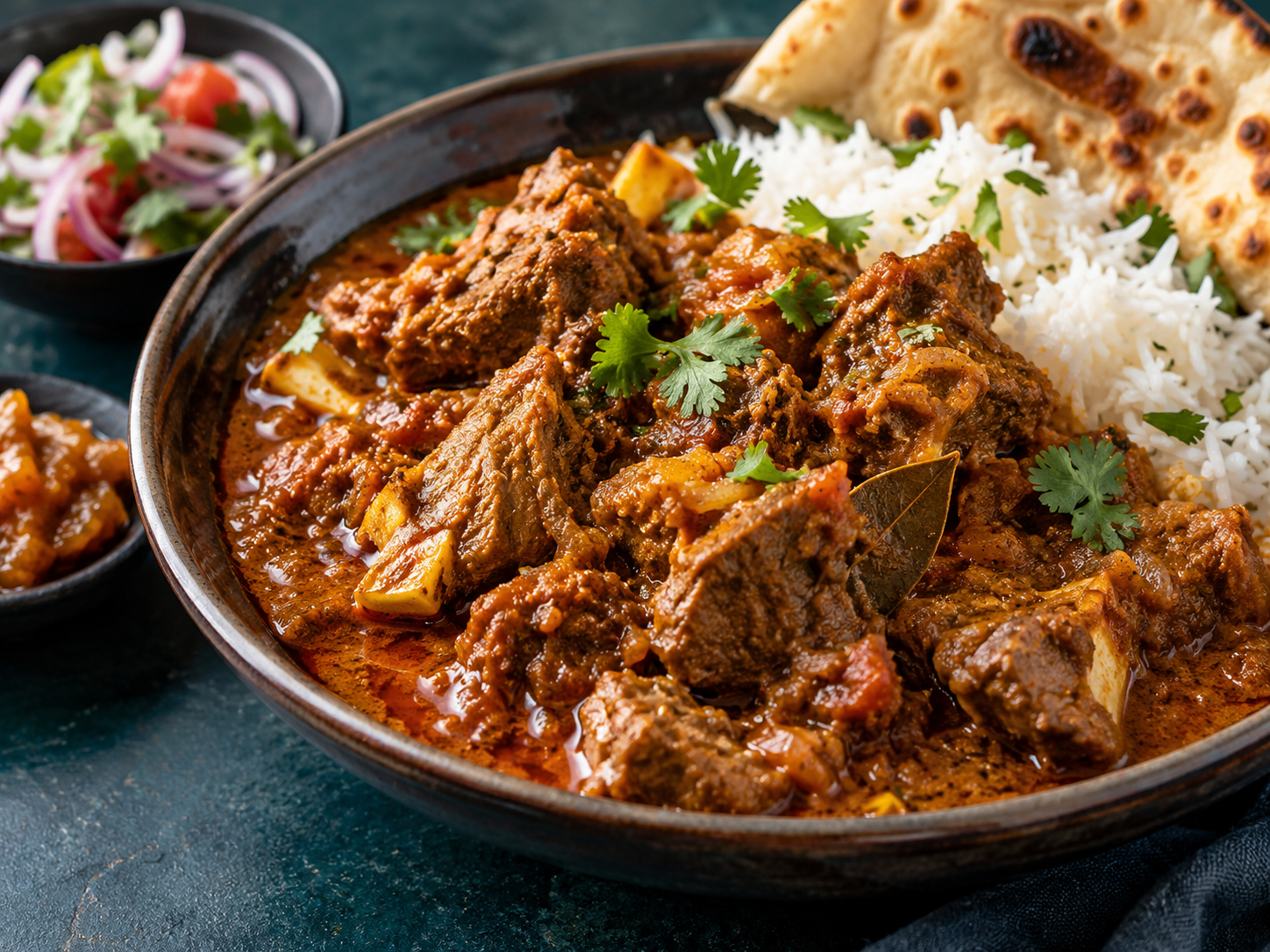
Editorial image from Blogdel's food collection, used for illustration.
Notice the liquid, sound and surface colour rather than deciding success from a fixed number of minutes. A pan, burner and vegetable combination can behave differently from the one used in a recipe.
Choose the texture on purpose
Browning is not the goal of every dish. Covered cooking and added liquid can be useful when you want tenderness. The problem is expecting a crowded, wet pan to behave like a spacious dry-cooking setup.
Cut pieces to a reasonably consistent size and keep hot oil under control. If the pan becomes too crowded, cooking in batches may be simpler than turning the heat up aggressively. A little space can help you manage the result. The lesson is not that steam is bad; it is that the method should match the texture you actually want.
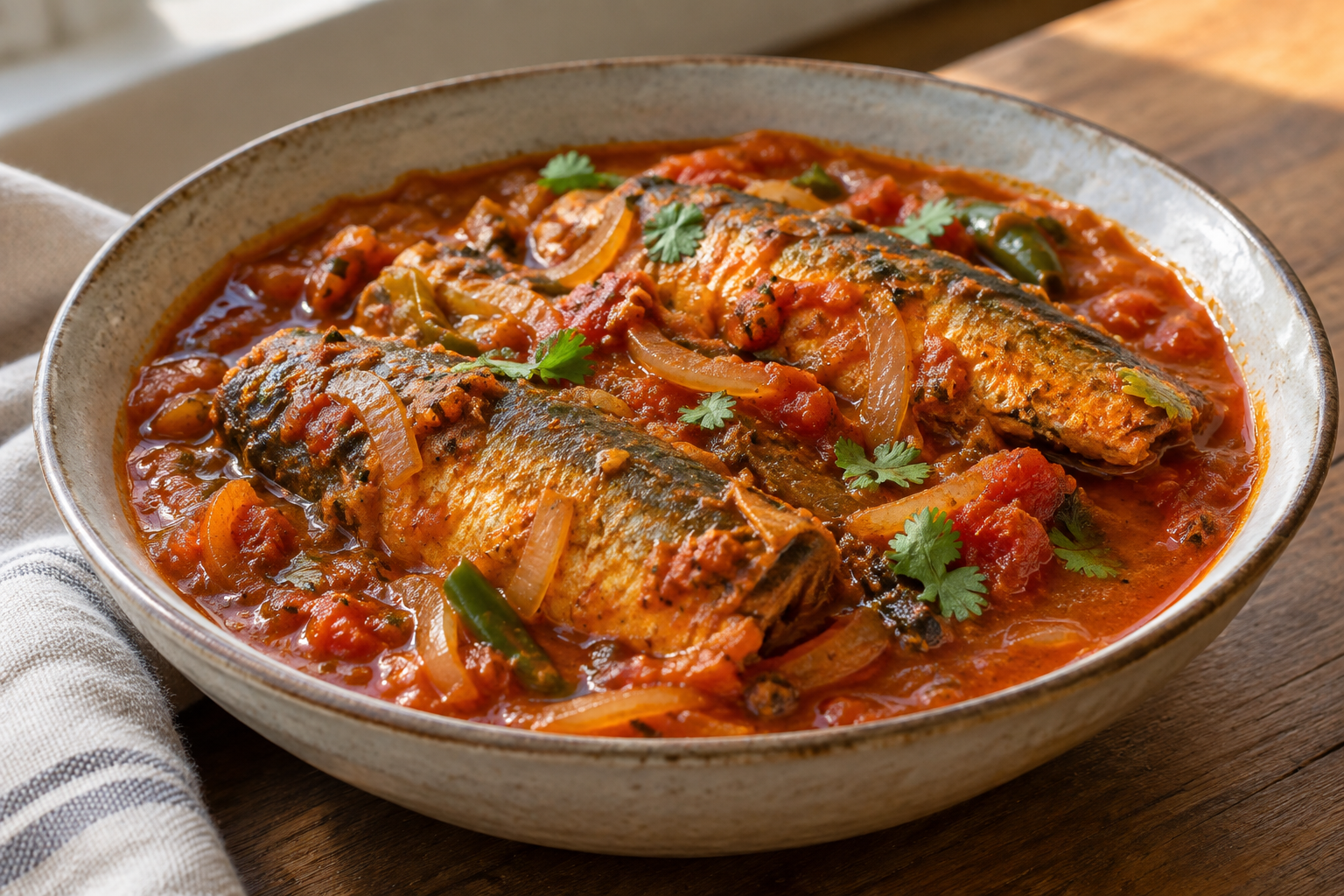
Editorial image from Blogdel's food collection, used for illustration.
Sources and further reading
References
- Wok Skills 101: stir-frying basics | Serious Eats · primary