More Than Flavor: Unpacking the Power of Texture in Every Bite
Explore how the often-overlooked quality of texture significantly influences our enjoyment, perception, and overall experience of food, from the first bite to the last.
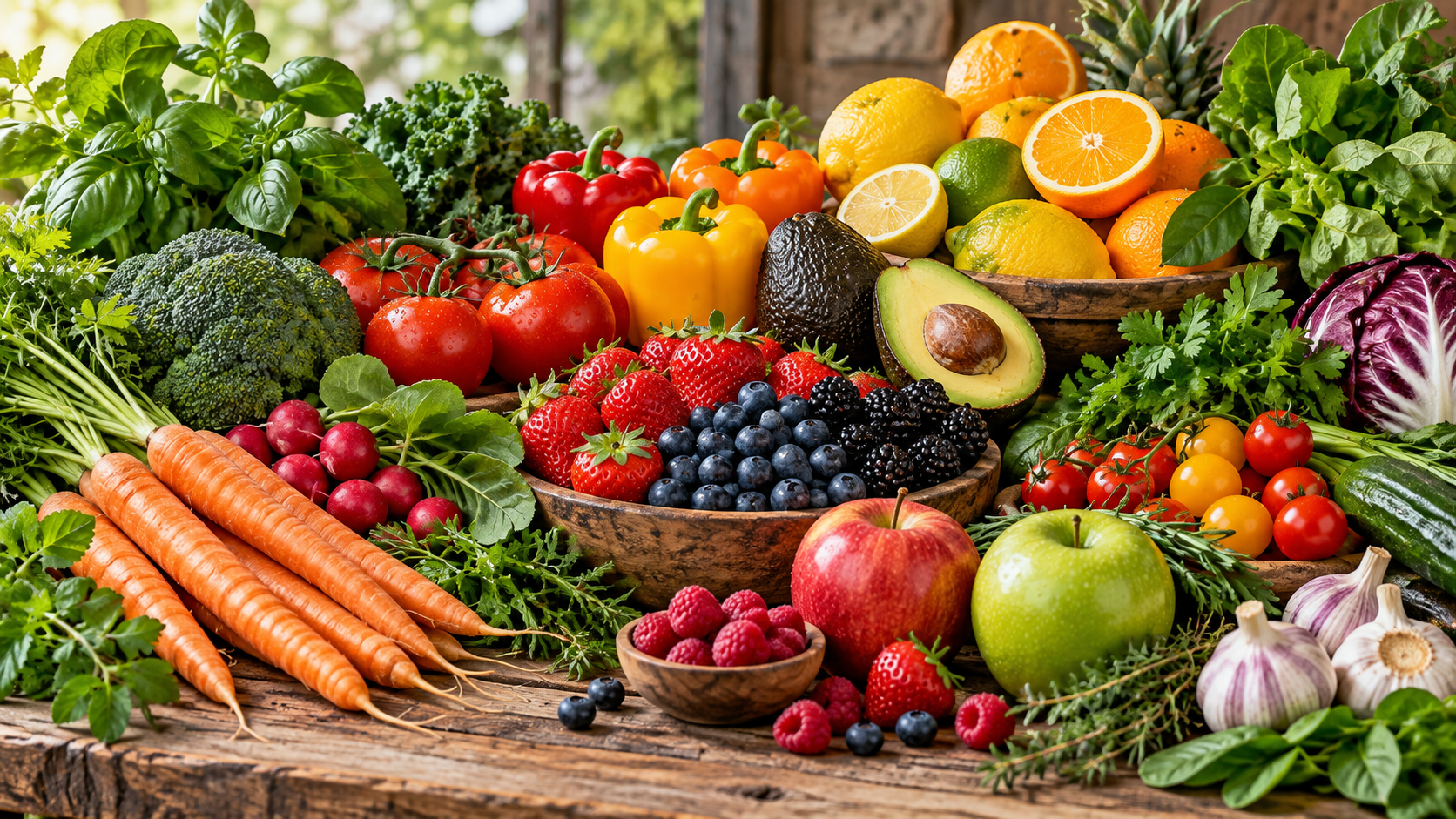
When we think about what makes food enjoyable, taste and aroma often come to mind first. We savor the sweetness of fruit, the savory depth of a stew, or the pungent kick of spices. Yet, there's another crucial, often subconscious, element that profoundly shapes our culinary experience: texture. From the satisfying crunch of a crisp vegetable to the silky smoothness of a rich sauce, texture is the silent language of food, communicating freshness, quality, and even satiety. It's the physical sensation food creates in our mouths, an intricate dance of chewiness, crispness, creaminess, and more, that can elevate a simple meal into a memorable feast. Understanding and appreciating food texture opens up new dimensions of culinary practice and enjoyment, revealing how this fundamental characteristic is meticulously crafted and perceived within our broader food systems.
The Multifaceted Nature of Food Texture
Food texture is not a singular sensation but a complex interplay of mechanical, geometrical, and surface properties of food, perceived primarily by the tactile senses in our mouths. Mechanical characteristics relate to how food behaves under stress – its hardness, chewiness, viscosity, and elasticity. Think of the resistance of a perfectly cooked steak versus the tender flakiness of a baked fish. Geometrical properties describe the size and shape of particles within the food, like the graininess of a coarse sugar or the smoothness of a finely milled flour. Surface properties, such as moisture and fat content, contribute to sensations like sliminess or oiliness.
These attributes combine to create a 'mouthfeel' that is unique to each food item and preparation. A raw carrot offers a firm, crisp bite, while a roasted carrot becomes tender and slightly yielding. The same ingredient can present vastly different textures depending on how it's handled. This diversity is not merely incidental; it is often intentionally engineered by nature and refined by culinary practice. Different cultures also place varying emphasis on specific textures. For instance, some cuisines highly value gelatinous or chewy textures, while others prioritize crispness or a smooth, homogenous consistency. This cultural preference highlights texture's role not just as a physical property, but as a deeply ingrained part of culinary identity and expectation.
How Texture Drives Culinary Practice
For cooks, both professional and amateur, mastering texture is as vital as balancing flavors. It's a deliberate act of creation, using various cooking methods and ingredient combinations to achieve desired mouthfeels. Frying, for example, is often employed to create a crisp exterior, providing a satisfying contrast to a tender interior. Braising or slow cooking aims to break down tough fibers, transforming ingredients into meltingly tender dishes. Gelling agents like pectin or gelatin are used to introduce structure and a specific 'jiggle' to desserts and savory preparations.
Consider the art of building a dish. A well-constructed meal often features a symphony of textures. A salad might combine crisp lettuce with creamy avocado, crunchy nuts, and chewy dried fruit. A main course could pair a seared protein with a smooth purée and a sprinkle of toasted seeds for contrast. This thoughtful layering of textures prevents monotony and keeps the palate engaged, making each bite interesting. Texture can also elevate humble ingredients. A simple potato can become a fluffy mash, a crispy chip, or a tender roasted wedge, each offering a distinct sensory experience that transforms its character. The deliberate manipulation of texture is a testament to its power in shaping the overall appeal and complexity of a dish, making it a cornerstone of culinary innovation and tradition alike.
The Psychological and Sensory Impact of Texture
Beyond mere physical sensation, texture profoundly influences our psychological perception of food. It plays a significant role in determining how fresh we perceive an item to be; a crisp apple often suggests freshness, while a soft one might indicate age. Texture can also contribute to our perception of satiety. Foods that require more chewing, for instance, can sometimes lead to a feeling of fullness more quickly than those that are easily consumed, influencing eating pace and overall intake.
Expectation also plays a critical role. We anticipate certain textures from familiar foods – the crunch of a cookie, the creaminess of yogurt, the chew of bread. When these expectations are met, it contributes to satisfaction. When they are subverted, it can either be a delightful surprise (as in innovative culinary techniques) or a jarring disappointment. For instance, a soggy cracker or a watery sauce can diminish enjoyment even if the flavors are otherwise good. Texture also contributes to the "story" of a dish, providing cues about its preparation, ingredients, and even its cultural origins. It helps to create a holistic sensory experience that goes beyond the sum of its parts, making the act of eating a richer, more engaging event. From the farm where ingredients are grown to the table where they are enjoyed, texture is a vital characteristic that informs processing, preparation, and ultimately, consumer acceptance within the larger food system.
In conclusion, while taste and aroma often take center stage, texture is an equally powerful, though often unsung, hero in the world of food. It's a fundamental element that engages our senses, drives culinary creativity, and shapes our deep-seated perceptions of quality and enjoyment. By paying closer attention to the textures in our meals, we can unlock a deeper appreciation for the intricate artistry of cooking and the profound sensory richness that food offers.
References
- Food Systems Evergreen | food-systems-evergreen · primary