How Food Pairing Enhances Nutrition: The Science Behind Flavor Synergy
Explore how combining foods can boost nutrient absorption, improve taste, and support healthy eating, with insights from food science and culinary practice.
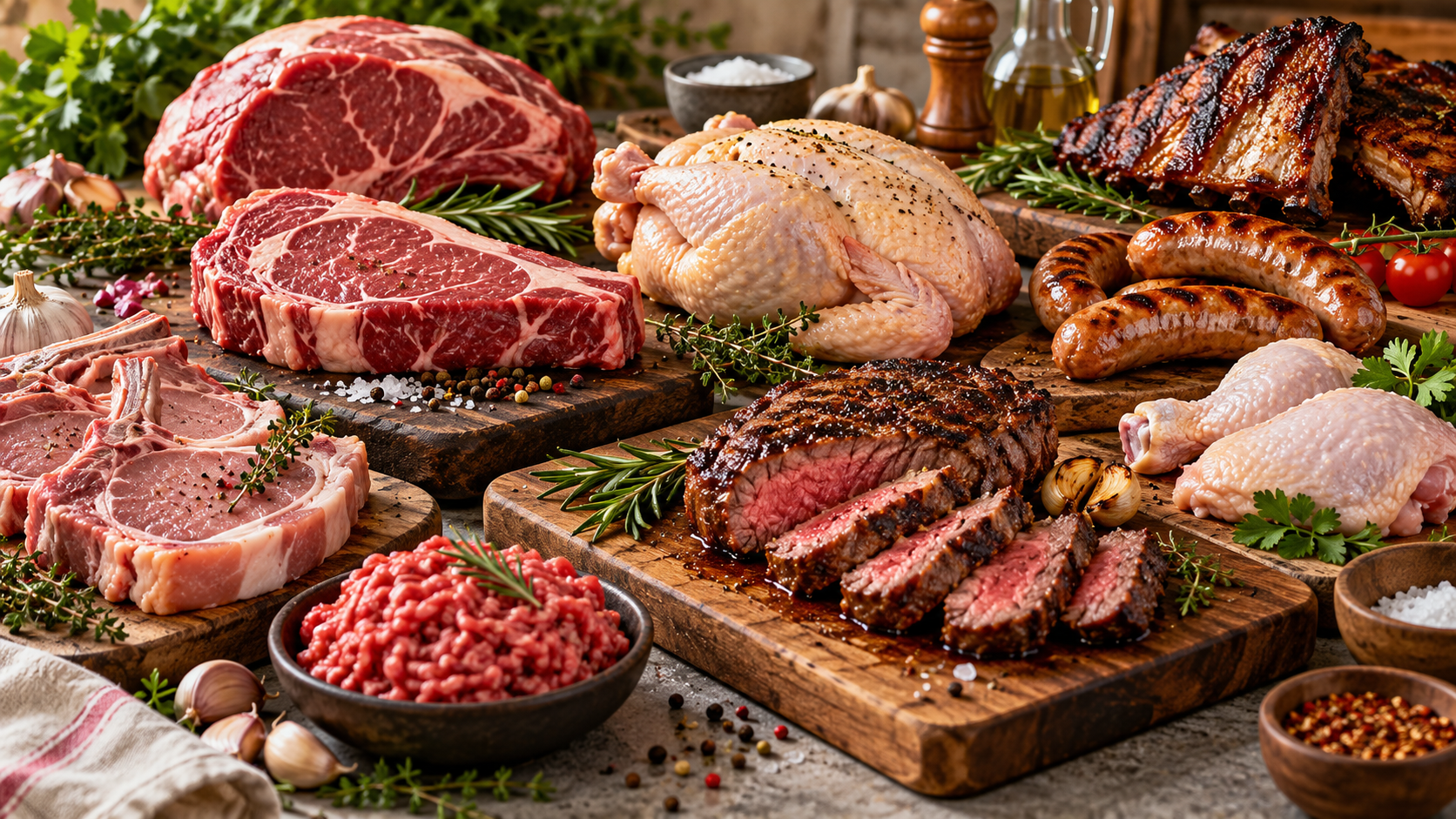
Introduction\nFood pairing is a culinary tradition that dates back thousands of years, but its modern scientific basis is only now being fully understood. While chefs have long used intuition to combine flavours, recent research shows that certain combinations can increase the bioavailability of nutrients, enhance satiety, and even reduce the risk of chronic disease.\n\n## The Chemistry of Flavor\nFlavour compounds are produced during cooking and fermentation, and they interact with our taste receptors in complex ways. When two foods are combined, their volatile molecules can create new flavour profiles that are more appealing than either component alone. This increased pleasure can encourage people to eat more balanced meals.\n\n## Nutrient Synergy Explained\nNutrient synergy refers to the phenomenon where the presence of one nutrient improves the absorption or utilisation of another. A classic example is vitamin C enhancing iron uptake from plant sources. Pairing leafy greens with a small amount of olive oil can increase the absorption of fat‑soluble vitamins such as vitamin K and beta‑carotene. These interactions are governed by biochemical pathways that are still being mapped by nutrition scientists.\n\n## Practical Pairing Tips\n1. Combine acidic foods with protein or fat to slow digestion and keep blood sugar stable.\n2. Add a source of healthy fat to vegetables high in carotenoids to maximise their bioavailability.\n3. Pair legumes with whole grains to create a complete protein profile.\n4. Use herbs and spices not only for flavour but also for their antioxidant properties, which can work synergistically with the base food.\n\n## Cultural Examples\nMany traditional cuisines already employ nutrient‑enhancing pairings. In Mediterranean cooking, tomatoes are often served with olive oil, which increases the absorption of lycopene. In South Asian diets, lentils are cooked with turmeric and cumin, which provide anti‑inflammatory benefits that complement the protein content of the lentils. These practices illustrate how culture and science intersect in everyday meals.\n\n## The Role of Food Systems\nFood systems that support diverse, locally sourced ingredients make nutrient‑synergistic pairings more accessible. The FAO highlights that resilient food systems reduce waste and improve nutrition by encouraging the use of seasonal produce. When farmers grow a variety of crops, consumers can experiment with new pairings that enhance both taste and health.\n\n## Conclusion\nUnderstanding the science behind food pairing empowers consumers to make healthier choices without sacrificing flavour. By intentionally combining foods that work together at the molecular level, we can create meals that are both satisfying and nutritionally superior. As research continues to uncover new interactions, the art of pairing will become an even more powerful tool in promoting public health.
References
- Food Systems Evergreen | food-systems-evergreen · primary
Topics
food pairing
nutrient synergy
culinary science
nutrition
flavour chemistry
diet
food science
cooking
health
gastronomy
food culture
sustainable eating
AI disclosure
This article was drafted by openai/gpt-oss-20b via groq from the sources listed above. Read with a critical eye. Read the full AI disclosure.