Seasonality and Nutrient Density: Why Eating With the Calendar Matters
A clear guide to how seasonal timing influences the vitamins, minerals and flavour of foods and why aligning eating habits with nature can boost health and sustainability.
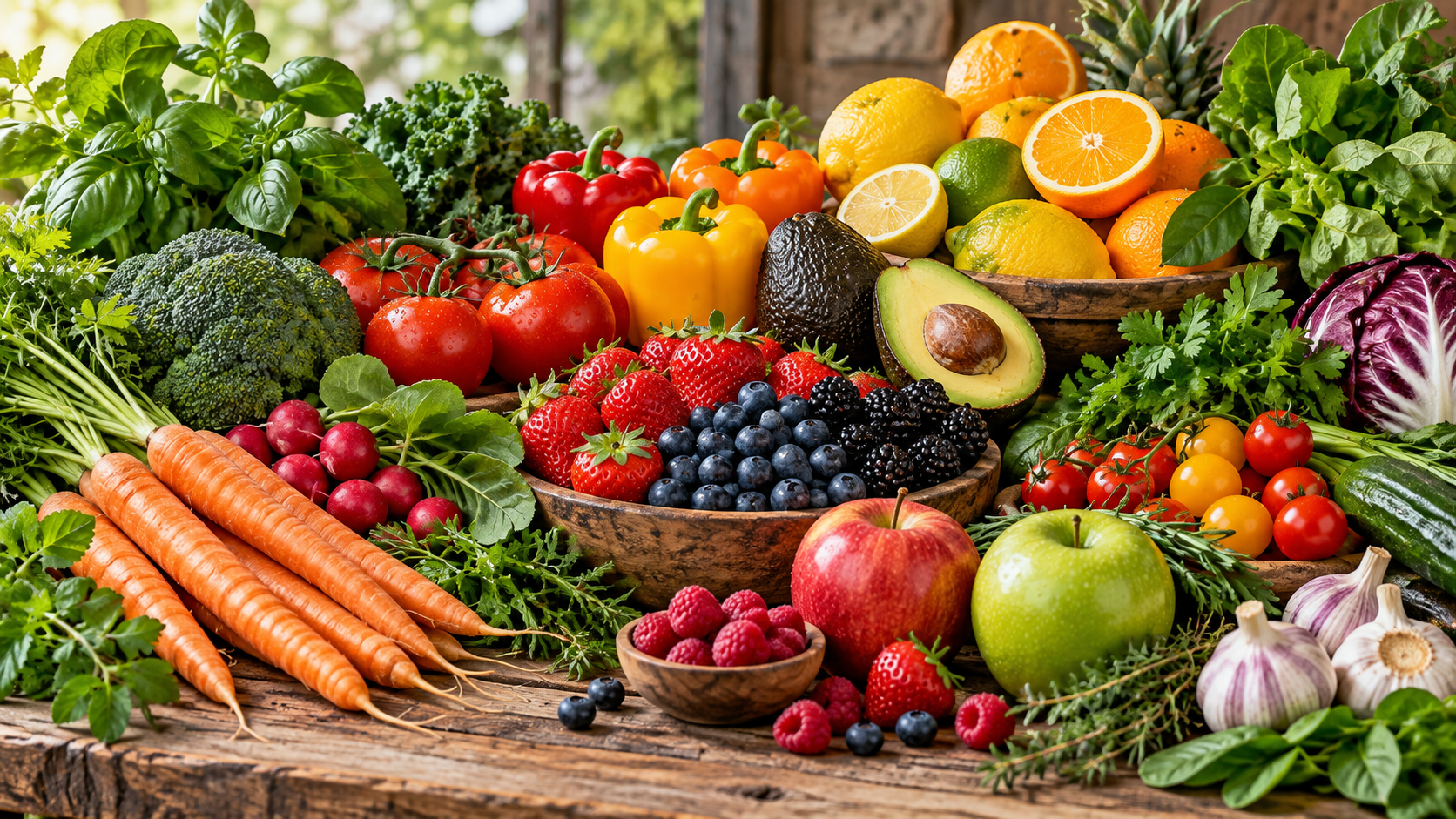
The Science Behind Seasonal Nutrition
When a fruit or vegetable ripens on the tree or in the ground, it has spent a set amount of time converting sunlight, water and soil minerals into the compounds that give it colour, taste and nutritional value. The timing of that conversion is tightly linked to the growing season, which in turn depends on temperature, daylight and rainfall patterns. Foods that are harvested at the peak of their natural cycle tend to contain higher concentrations of vitamins, antioxidants and other bioactive molecules compared with items that have been stored for long periods or grown out of season in greenhouses.
Because nutrient synthesis is a biological response to the local environment, the same crop can differ noticeably from year to year and from region to region. For example, a tomato grown under a sunny, warm canopy will develop more lycopene, the pigment that gives it its red hue, than a tomato grown under cloud cover. Likewise, leafy greens harvested early in the season often contain more vitamin C than those that are picked later when the plant has diverted energy toward seed production.
These differences are not just academic. The body absorbs nutrients more efficiently when they are present in their natural, unprocessed form. Foods that are picked at peak ripeness and consumed soon after therefore support better overall nutrition.
Supply Chains and Seasonal Availability
Modern food systems rely heavily on long‑distance transport and year‑round availability. While this convenience keeps shelves stocked, it also means that many consumers are eating produce that has travelled hundreds of kilometres and sat on shelves for weeks or months. During this time, the levels of heat‑sensitive vitamins can drop significantly.
Seasonal harvesting aligns supply chains with the natural rhythm of production. When a crop is in season, it can be collected, processed and delivered with minimal delay, reducing the loss of nutrients and the need for artificial preservation. It also lessens the environmental footprint: shorter transport routes and fewer storage requirements mean lower fuel consumption and reduced greenhouse gas emissions.
In addition, seasonal patterns can help farmers manage resources more sustainably. By planting crops that match the local climate, growers minimise the need for irrigation, fertiliser and pest‑control interventions. This practice supports soil health and biodiversity, which are essential for long‑term food security.
Practical Ways to Eat With the Seasons
-
Check Local Market Guides – Many farmers’ markets publish seasonal charts that list what is in harvest each month. These charts are a reliable source for planning meals around peak‑nutrient foods.
-
Use Seasonal Recipe Books – Cookbooks that focus on a specific season often feature dishes that showcase the flavours and textures of that time of year.
-
Plan a Weekly Menu Around Availability – A simple weekly plan that prioritises in‑season produce can reduce waste and improve the nutritional profile of meals.
-
Store Correctly – Even in‑season produce benefits from proper storage. For example, root vegetables should be kept in a cool, dark place to maintain their vitamin content, while leafy greens are best stored in a refrigerator crisper to keep them crisp.
-
Support Local Producers – Buying directly from local farms or through community‑supported agriculture programmes ensures that produce is fresh and that the supply chain is short.
By aligning eating habits with the calendar, consumers can enjoy foods that are not only more nutritious but also richer in flavour. Seasonal eating also encourages a deeper connection to the land and the people who grow the food.
The Bigger Picture
Seasonal eating is one of many strategies that can improve the sustainability of food systems. When combined with plant‑based choices, reduced food waste, and responsible sourcing, it helps create a healthier diet for individuals and a more resilient food supply for communities. The principles are simple: respect the natural growth cycle, support local producers, and choose foods that are fresh, in‑season and minimally processed.
These practices are supported by the Food and Agriculture Organisation, which provides resources on how seasonal and local food systems can contribute to global nutrition and environmental goals. By adopting a seasonal mindset, we can all play a part in fostering a healthier planet and a more nourishing diet.
Key Takeaways
- Foods harvested at their peak contain higher levels of vitamins, minerals and flavour compounds.
- Seasonal supply chains reduce nutrient loss, lower environmental impact and support local economies.
- Practical steps such as using seasonal charts, planning menus and supporting local farms make seasonal eating accessible.
Adopting seasonal eating habits is a straightforward way to enhance nutrition, support sustainability and enjoy the freshest flavours nature has to offer.
References
- Food Systems Evergreen | food-systems-evergreen · primary