Soil Health and Nutrient Density: Why Where Your Food Grows Matters
Healthy soils play a key role in the nutrient content of food, influencing both flavour and nutrition through natural processes and sustainable farming practices.
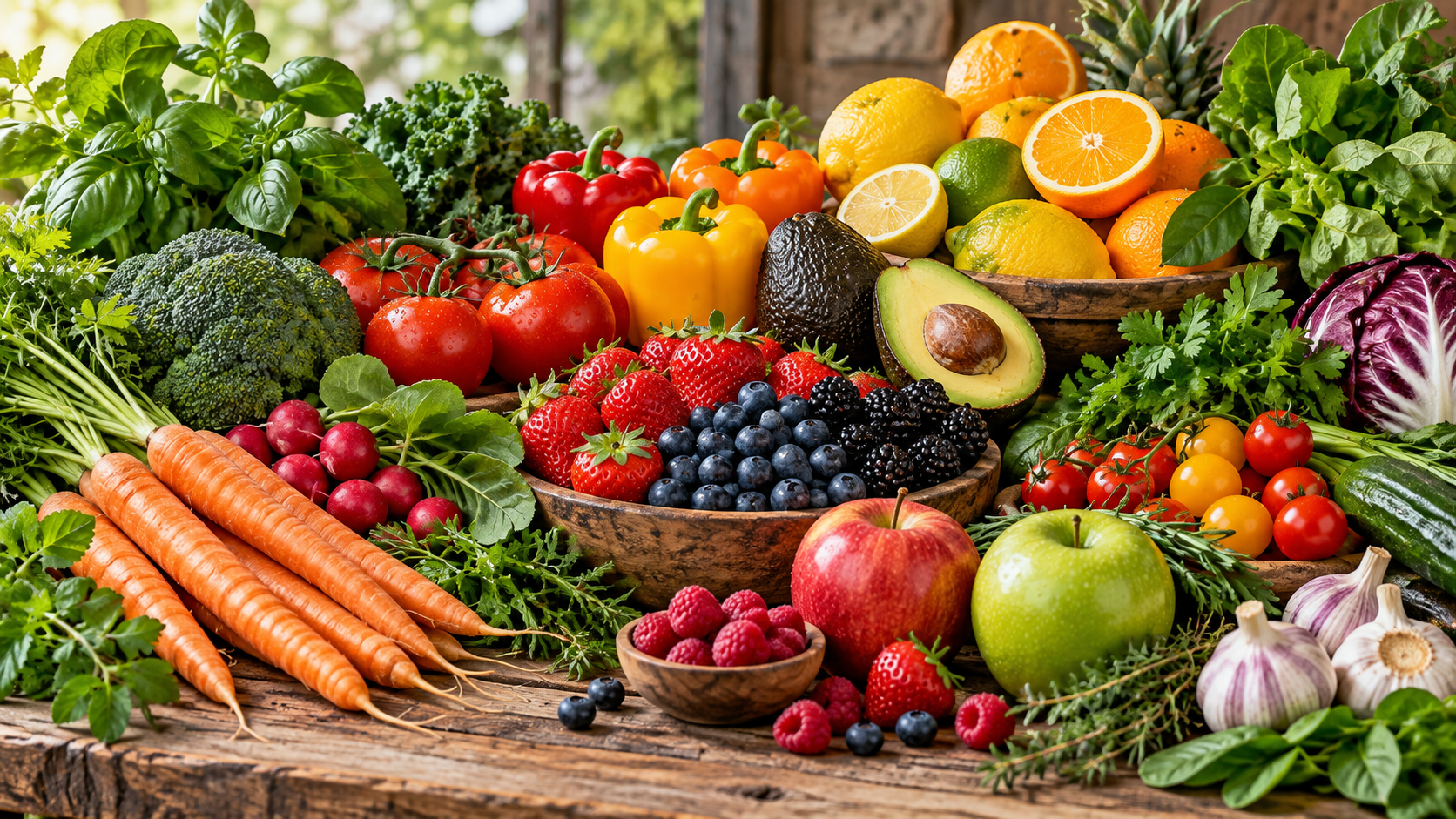
Soil Health and the Nutrient Story
The quality of soil directly shapes the nutrient profile of crops. Healthy soils host diverse organisms that break down organic matter, release minerals, and support plant root systems. When soil structure is loose and rich in organic material, roots can explore more area, drawing up a wider range of minerals such as iron, zinc and magnesium. These minerals are essential for human health and contribute to the taste and colour of produce.
Sustainable Farming and Nutrient Balance
Sustainable farming methods such as crop rotation, cover cropping and reduced tillage help maintain soil structure and fertility. By alternating plant families, farmers minimise the depletion of specific nutrients and reduce the need for synthetic fertilisers. Cover crops add fresh organic matter to the soil, which is decomposed by microbes into forms that plants can absorb. Reduced tillage keeps soil aggregates intact, preventing erosion and preserving the microbial communities that are vital for nutrient cycling.
From Field to Fork: The Supply Chain Effect
Once harvested, the journey of food to the consumer can influence its nutrient content. Fresh produce that is transported quickly and stored at the right temperature retains more vitamins and minerals. Delays in transport, exposure to heat or light, and improper storage can lead to nutrient losses, especially of heat‑sensitive vitamins such as vitamin C. The choice of packaging also matters; materials that allow oxygen or moisture to penetrate can accelerate spoilage and nutrient degradation.
Consumer Choices and Seasonal Eating
Choosing seasonal produce not only supports local farmers but also increases the likelihood of higher nutrient density. Foods harvested at their peak ripeness contain the maximum levels of vitamins and antioxidants. Seasonal eating reduces the need for long‑haul transport, lowering the carbon footprint and preserving freshness. Consumers can look for labels that indicate the origin and harvest date to make informed decisions.
The Role of Organic Matter
Adding compost or well‑managed manure enriches soil with nitrogen, phosphorus and potassium, the primary nutrients required for plant growth. These organic amendments also improve water retention, allowing plants to access nutrients during dry periods. The presence of humus-a stable form of organic matter-creates a reservoir of minerals that plants can tap into over time.
Soil Testing and Management
Regular soil testing provides farmers with data on pH, nutrient levels and organic matter content. This information guides precise fertilisation, ensuring crops receive the right balance of nutrients without excess application that can lead to runoff. Maintaining an optimal pH (generally between 6.0 and 7.5 for most crops) enhances the availability of minerals to plants.
Linking Soil Health to Food Quality
Studies have shown that crops grown in healthy soils tend to have higher concentrations of micronutrients and better flavour profiles. While the exact mechanisms are complex, the interaction between soil microbes, root exudates and plant metabolism plays a central role. By investing in soil health, farmers can produce food that is not only more nutritious but also more palatable.
The Bigger Picture: Food Systems and Sustainability
Food systems encompass every step from seed to plate. When soil health is prioritised, the entire chain benefits: farmers experience lower input costs, consumers receive higher‑quality food, and ecosystems retain biodiversity. This holistic approach aligns with global efforts to create resilient food systems that can withstand climate change and support human nutrition.
Practical Tips for Home Growers
- Rotate plant families in your garden to avoid nutrient depletion.
- Use compost or well‑aged manure to add organic matter.
- Mulch to retain moisture and suppress weeds.
- Test soil every few years to adjust fertilisation.
- Harvest produce at peak ripeness and store in a cool, dark place.
By understanding the link between soil health and nutrient density, consumers and producers alike can make choices that support both health and sustainability.
References
- Food Systems Evergreen | food-systems-evergreen · primary