The Unseen Network: How the Cold Chain Keeps Our Food Fresh and Safe
Explore the critical role of temperature-controlled logistics, known as the cold chain, in delivering fresh and safe food from farms to our tables around the world.
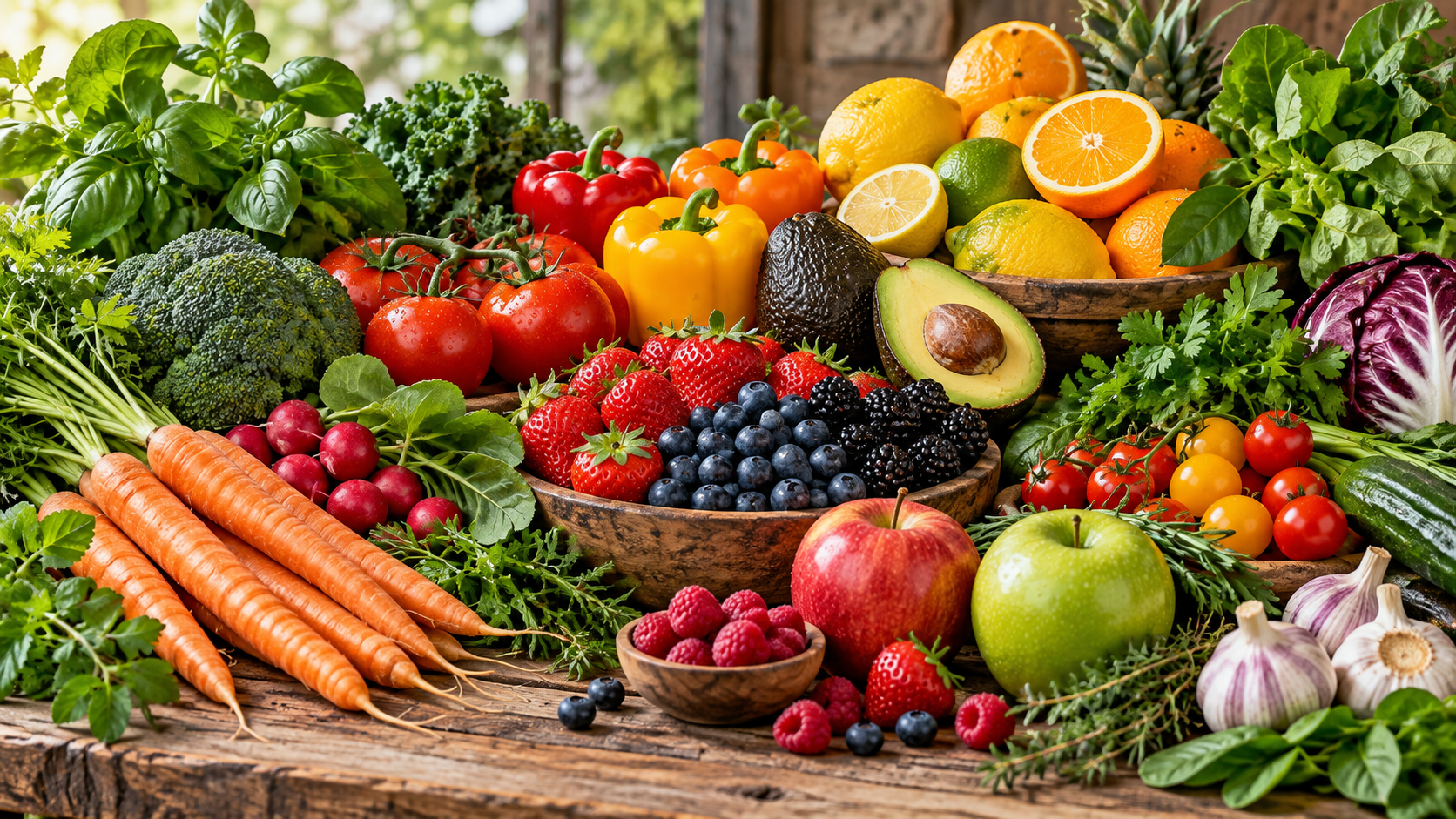
Every day, countless perishable foods, from fresh produce to dairy and meats, make a journey from their origin to our plates. This intricate movement, often taken for granted, relies heavily on a sophisticated system known as the cold chain. Far more than just refrigeration, the cold chain is a continuous, temperature-controlled supply chain that ensures food products maintain their quality, safety, and nutritional value from the moment they are harvested or produced until they reach the consumer. Without this unseen network, the variety and freshness of the foods available to us would be dramatically reduced, and the risk of spoilage and foodborne illnesses would significantly increase. Understanding the cold chain reveals a fundamental aspect of modern food systems, highlighting the complex infrastructure required to sustain contemporary diets and global food trade.
The Foundation of Freshness: Defining the Cold Chain
The cold chain is essentially a series of interconnected logistical steps designed to maintain a specific low temperature range for perishable goods. This range can vary depending on the product, from chilled temperatures for fruits and vegetables to freezing temperatures for meats and frozen desserts. The primary goal is to slow down or halt the natural processes of degradation, such as microbial growth, enzymatic activity, and respiration, which can lead to spoilage and a loss of desirable characteristics.
This system isn't merely about having a refrigerator at home or a refrigerated truck. It encompasses the entire journey, starting from the point of origin, whether it's a farm field, a fishing vessel, or a processing plant. Each link in this chain must operate effectively to prevent temperature fluctuations, known as 'temperature excursions,' which can compromise product integrity. A break in the cold chain, even a brief one, can accelerate spoilage, reduce shelf life, and potentially render food unsafe for consumption. The consistency of temperature control is paramount, acting as a silent guardian of food quality and safety across vast distances and diverse environments.
The Links in the Chain: Components and Operations
The cold chain is comprised of several critical components that work in concert to ensure continuous temperature management. It begins immediately after a product is harvested or produced. For many fresh fruits and vegetables, 'pre-cooling' is a vital initial step, rapidly removing field heat to slow metabolic processes and extend shelf life before further transport.
Following pre-cooling, products move into refrigerated storage facilities, which can range from farm-level coolers to large, automated distribution centers. These facilities are designed to maintain precise temperature and humidity levels for extended periods. From these storage points, temperature-controlled transportation vehicles take over. This includes refrigerated trucks, often called 'reefers,' as well as specialized rail cars, cargo ships with refrigerated containers, and even air freight for highly perishable or high-value goods. Each mode of transport is equipped with insulation and cooling units to maintain the required temperature during transit, often across thousands of miles.
Throughout the journey, sophisticated monitoring systems play a crucial role. Sensors track temperature, humidity, and sometimes even location, providing real-time data to logistics managers. This allows for immediate intervention if a temperature deviation occurs, helping to mitigate potential damage. Upon arrival at retail outlets, the cold chain continues through refrigerated display cases and freezer units, ensuring that products remain in optimal condition until they are purchased by the consumer. Even in the final mile, home refrigeration is the last, essential link in this extensive network.
Beyond Preservation: Benefits and Broader Impacts
The benefits of an effective cold chain extend far beyond simply keeping food from spoiling. First and foremost, it is a cornerstone of global food safety. By inhibiting the growth of pathogenic bacteria and other microorganisms, the cold chain significantly reduces the risk of foodborne illnesses, protecting public health.
Beyond safety, the cold chain is instrumental in preserving food quality and nutritional value. Rapid cooling and consistent low temperatures help retain the texture, flavor, aroma, and color of fresh produce, and prevent the degradation of vitamins and other sensitive nutrients. This means consumers have access to foods that are not only safe but also appealing and nutritious.
Furthermore, the cold chain plays a pivotal role in reducing food waste. By extending the shelf life of perishable items, it allows for longer storage, more efficient distribution, and greater flexibility in sales, thereby minimizing losses from spoilage throughout the supply chain. This reduction in waste has economic implications for producers and retailers, and environmental benefits by reducing the resources expended on food that ultimately goes uneaten.
The cold chain also underpins the diversity of modern diets. It enables foods grown in one region to be transported and enjoyed in distant markets, making seasonal produce available year-round in many parts of the world and facilitating international trade in a vast array of perishable goods.
However, operating such a complex system presents significant challenges. The energy consumption of refrigeration units is substantial, contributing to the overall carbon footprint of the food industry. There are also disparities in cold chain infrastructure globally, particularly in developing regions, which can limit access to safe and fresh foods and contribute to post-harvest losses. Ongoing efforts focus on developing more energy-efficient refrigeration technologies, utilizing renewable energy sources, and expanding sustainable cold chain networks to ensure both food security and environmental responsibility for the future.
In essence, the cold chain is an invisible yet indispensable backbone of our modern food system. Its continuous operation ensures that the food we eat is not only safe and fresh but also diverse and accessible. As global populations grow and demand for fresh, high-quality food continues to rise, the innovation and expansion of sustainable cold chain solutions will remain crucial for public health, economic stability, and environmental stewardship.
References
- Food Systems Evergreen | food-systems-evergreen · primary