The Invisible Infrastructure: How Food Safety Systems Shape What We Eat
Explore the unseen layers of protection and regulatory frameworks that ensure the safety and quality of the food we consume daily, from farm to our plates.
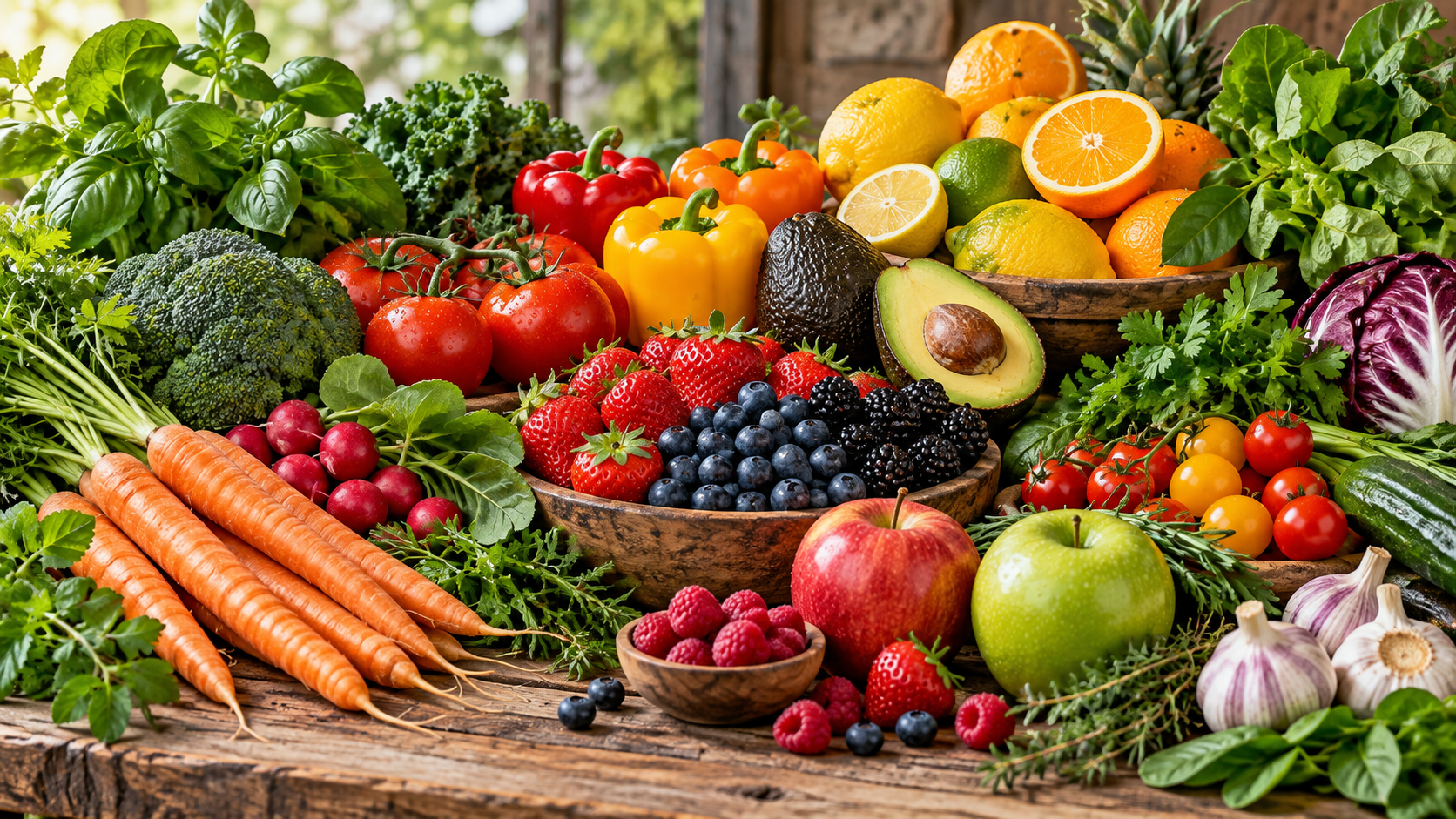
Every bite we take is the culmination of a vast, intricate journey, often overlooked in its complexity. Beyond the visible steps of cooking and serving, an extensive network of systems works tirelessly to ensure our food is safe to eat. This invisible infrastructure, encompassing everything from agricultural practices to international regulations, forms the bedrock of our modern food supply, shaping not just what we eat, but how we trust it.
While we might focus on ingredients, flavors, or cooking methods, the fundamental assurance that our food won't harm us is a testament to sophisticated, multi-layered food safety protocols. These systems are designed to mitigate risks at every stage, addressing potential hazards like contamination, spoilage, and mislabeling. Understanding this unseen framework helps illuminate the profound effort involved in bringing safe, quality food to tables worldwide.
From Farm to Fork: The Layers of Protection
The journey of food safety begins long before an item reaches a grocery store or restaurant. In agriculture, practices are implemented to minimize risks from the outset. This includes careful management of water sources to prevent contamination, responsible use of agricultural inputs, and hygienic handling during harvest. The goal is to cultivate produce and raise livestock in environments that reduce the likelihood of harmful microorganisms or residues.
Once harvested or processed, food enters a complex supply chain where each transition point introduces new considerations. During initial processing, sorting, and packaging, facilities adhere to stringent hygiene standards. This involves regular cleaning and sanitization, proper temperature control to inhibit bacterial growth, and measures to prevent cross-contamination between different food types or raw and cooked products. Transportation is another critical juncture, requiring vehicles designed to maintain appropriate conditions, whether refrigerated, frozen, or dry, to preserve food quality and safety.
In manufacturing settings, sophisticated quality control measures are paramount. These often include hazard analysis and critical control points (HACCP) systems, which identify potential biological, chemical, or physical hazards and establish preventative controls at specific points in the production process. Good manufacturing practices (GMPs) guide the overall operational conditions and practices, ensuring consistent quality and safety. From the cleanliness of equipment to the training of personnel, every detail contributes to the integrity of the final product.
Finally, at the retail and foodservice levels, the emphasis shifts to proper storage, preparation, and serving. This includes strict adherence to temperature guidelines for perishable foods, careful separation of raw and ready-to-eat items, and thorough cooking to eliminate pathogens. Staff training on hygiene and food handling is essential to prevent contamination and ensure that the efforts made upstream are not undermined at the point of consumption.
The Regulatory Backbone and Standard Setting
Underpinning these operational layers is a robust regulatory framework, both national and international. Governmental bodies play a crucial role in establishing and enforcing food safety laws and standards. These regulations cover a vast array of aspects, from permissible levels of additives and contaminants to labeling requirements and inspection protocols. Their purpose is to protect public health by setting minimum safety benchmarks that all food producers and handlers must meet.
Globally, organizations like the Food and Agriculture Organization of the United Nations (FAO) contribute to the development of international food standards, guidelines, and codes of practice. These efforts aim to harmonize food safety approaches across countries, facilitating safe international trade and ensuring that consumers worldwide can have confidence in the food they purchase, regardless of its origin. Such international cooperation is vital in an increasingly globalized food system, where ingredients and finished products often cross multiple borders.
Compliance with these standards is often verified through a system of inspections, audits, and certifications. Independent third-party auditors may assess facilities and processes against established benchmarks, providing an extra layer of assurance. These mechanisms help to ensure that food safety protocols are not just theoretical but are actively implemented and maintained throughout the supply chain. This regulatory backbone provides the necessary oversight and accountability, compelling food businesses to prioritize safety and quality.
Consumer Trust and the Future of Food Safety
The ultimate goal of this extensive food safety infrastructure is to build and maintain consumer trust. When people can rely on the safety of their food, it fosters confidence in the entire food system. Transparency and traceability are increasingly important in achieving this. Consumers are often interested in knowing where their food comes from, how it was produced, and the safety measures taken along its journey. Technologies that allow for better tracking of food products from farm to store are becoming more prevalent, offering greater insight and accountability.
However, the landscape of food safety is not static. It faces continuous challenges, including the emergence of new foodborne pathogens, the impacts of climate change on agricultural practices, and the increasing complexity of global supply chains. These evolving threats necessitate constant adaptation and innovation in food safety science and policy. Researchers are continually working to develop new detection methods, better preservation techniques, and more resilient food systems.
The future of food safety will likely involve even greater integration of technology, from advanced sensor systems that monitor food conditions in real-time to artificial intelligence that predicts potential contamination risks. Education also remains a critical component, empowering both food industry professionals and consumers with the knowledge to make safe choices. By understanding and valuing the invisible infrastructure of food safety, we can all contribute to a more secure and trustworthy food supply for everyone.
References
- Food Systems Evergreen | food-systems-evergreen · primary