The Unseen Journey: How Industrial Processes Shape Our Everyday Food
Delve into the often-overlooked industrial transformations that turn raw ingredients into the familiar foods on our plates, exploring how these processes influence taste, texture, and global food systems.
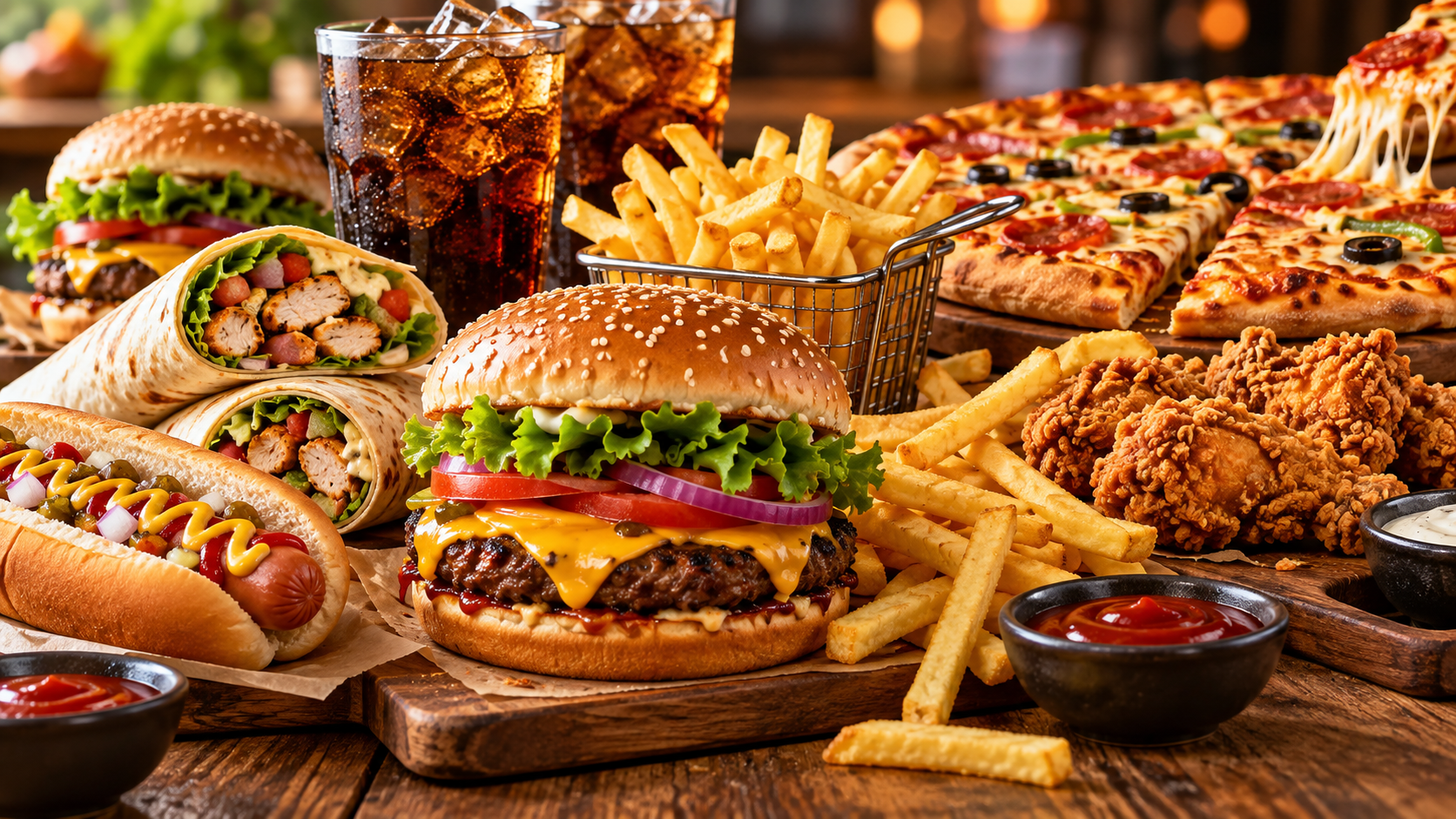
When we think about food, our minds often conjure images of lush farms, vibrant markets, or a bustling home kitchen. The narrative of 'farm to table' paints a picture of simplicity and directness, suggesting a straightforward path from cultivation to consumption. However, this popular image often glosses over a monumental, intricate, and largely unseen journey: the industrial processing that transforms raw ingredients into the foods we recognize and consume daily. Far from being a mere pit stop, this stage profoundly shapes the flavor, texture, shelf life, and nutritional profile of almost everything we eat, from the simplest flour to the most complex ready-meal.
Beyond the Basics: Grains and Oils
Consider staples like bread or cooking oil. While seemingly fundamental, their journey to our pantries is anything but simple. Wheat, for instance, doesn't just become flour by magic. It undergoes a sophisticated milling process that separates the bran and germ from the endosperm, affecting not only its texture but also its nutritional content and shelf stability. Whole wheat flour retains more nutrients but has a shorter shelf life due to fats in the germ that can turn rancid. White flour, stripped of these components, offers extended shelf life and a different culinary experience, albeit with less fiber and certain micronutrients.
Similarly, cooking oils like canola, sunflower, or soybean oil are not just squeezed from seeds. They undergo extensive refining processes-degumming, neutralizing, bleaching, and deodorizing-to remove impurities, improve stability, and create a neutral flavor profile suitable for a wide range of cooking applications. These processes, while making oils palatable and shelf-stable, also alter their natural composition. Understanding these transformations helps us appreciate the layers of engineering involved in even the most basic kitchen ingredients.
The Role of Additives and Their Perception
Food additives often carry a negative connotation, conjuring images of artificiality. However, their role in the food system is diverse and often critical. Additives are substances added to food to maintain or improve its safety, freshness, taste, texture, or appearance. Preservatives, for example, inhibit microbial growth and prevent spoilage, making food safer and extending its shelf life, which is crucial for global distribution and reducing waste. Emulsifiers ensure that oil and water-based ingredients mix smoothly, preventing separation in products like mayonnaise or salad dressings. Stabilizers maintain texture and consistency.
Flavor enhancers and colorings, while sometimes perceived as purely cosmetic, can also play a role in making food more appealing and consistent. The key lies in understanding their function and necessity. Many additives are derived from natural sources, while others are synthetic. The extensive regulation and scientific assessment of additives ensure their safety for consumption. Rather than demonizing all additives, a more nuanced understanding reveals their functional importance in modern food production and preservation, allowing for variety and accessibility that would otherwise be impossible.
Supply Chain Sophistication and Global Reach
The industrial processing of food is inextricably linked to the sophistication of global supply chains. Without methods to preserve, package, and transport food efficiently, the diverse array of ingredients and products we enjoy year-round would be unimaginable. Processing allows for seasonal produce to be frozen, canned, or dried, making it available far beyond its harvest period and geographic origin. This not only provides consumers with greater choice but also helps stabilize food prices and reduce regional food insecurity.
However, this complexity also introduces challenges. Long supply chains can obscure the origin of ingredients, making traceability difficult. They also add layers of cost and environmental impact through transportation and energy consumption. The efficiency of modern food systems, facilitated by processing, is a double-edged sword: it offers unparalleled access and convenience but demands careful consideration of its broader ecological and social footprint. The Food and Agriculture Organization (FAO) emphasizes the need for sustainable food systems that balance efficiency with environmental and social responsibility, acknowledging the critical role of processing within this framework.
Culinary Impact and Consumer Choices
The impact of industrial food processing extends directly into our kitchens and dining habits. Processed ingredients offer convenience, speed, and consistency, enabling home cooks and professional chefs alike to create dishes that might otherwise be time-consuming or difficult. Pre-cut vegetables, canned beans, or ready-made sauces streamline meal preparation, fitting into busy modern lifestyles. Restaurants often rely on partially processed ingredients to maintain consistency across locations and manage costs.
For consumers, navigating the world of processed foods involves making informed choices. Understanding the degree of processing-from minimally processed (like bagged salad) to ultra-processed (like many snack foods)-can help individuals align their diets with their health goals. It's not about an outright rejection of all processed foods, but rather an awareness of how different levels of processing affect nutritional value, ingredient quality, and overall dietary patterns. Educating ourselves about where our food comes from, and what happens to it before it reaches our plates, empowers us to make more deliberate and healthful decisions.
Conclusion
The journey of food from its raw state to our plates is a marvel of human ingenuity, involving complex industrial processes that are often hidden from plain sight. These transformations are not inherently good or bad; they are simply a fundamental aspect of our modern food system. By peeling back the layers of the 'farm to table' narrative, we gain a deeper appreciation for the science, engineering, and logistics that bring food to our tables. Understanding the 'invisible hand' of processing empowers us to make more informed choices, fostering a more conscious and sustainable relationship with what we eat. It encourages us to look beyond simplistic labels and truly understand the intricate web that sustains our daily meals, recognizing that every bite carries a story far more complex than meets the eye.
References
- Food Systems Evergreen | food-systems-evergreen · primary